




The Nigerian government has introduced a new tax collection policy aimed at bringing more small businesses into the tax system while making the process simpler and more transparent.
The policy, known as the “Presumptive Tax Framework”, was announced on Wednesday 2, 2026 in a statement shared on the official X account of the country’s Finance Ministry.
According to the government, the framework is designed to simplify how taxes are assessed and paid by traders, artisans, and other micro- and small enterprises that operate mostly in the informal sector. 
With the new system, the government hopes to make tax compliance easier while also expanding the country’s tax base.
One of the major highlights of the framework is the ban on using roadside checkpoints to collect taxes from business owners.
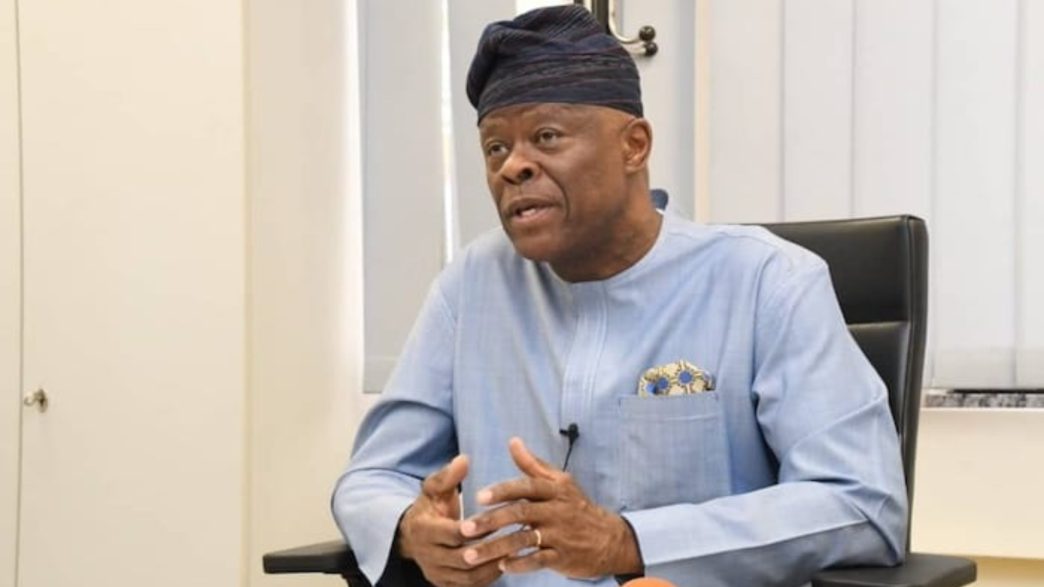
Speaking on the new policy, the Executive Secretary of the Joint Revenue Board (JRB), Olusegun Adesokan, said the framework clearly prohibits tax officials from mounting roadblocks to demand levies.
“It also bans the mounting of roadblocks for the collection of taxes,” he said.
For many small business owners, roadside tax collection and informal levies have long been a source of frustration. The new rule is expected to reduce such practices and create a more organised tax system.
ALSO READ: Will Bank Transfer Descriptions Save You Money When the New Tax Laws Begin? Here’s What Experts Say
Why is this happening?
Nigeria’s Minister of Finance, Wale Edun, also explained that the presumptive tax regime is meant to provide a fair and straightforward system that does not place unnecessary pressure on small businesses.
“The objective of presumptive taxation is not to overburden small businesses but to provide a fair, simple, and predictable framework for tax compliance,” Edun said.
“Our fiscal strategy is anchored on expanding the tax base rather than increasing tax rates. Inclusion drives sustainability,” the minister added during the inauguration of the scheme on Tuesday in Abuja.
The government believes that by simplifying the process and removing aggressive tax collection methods, more small businesses will be encouraged to comply with tax obligations.

About The Author