


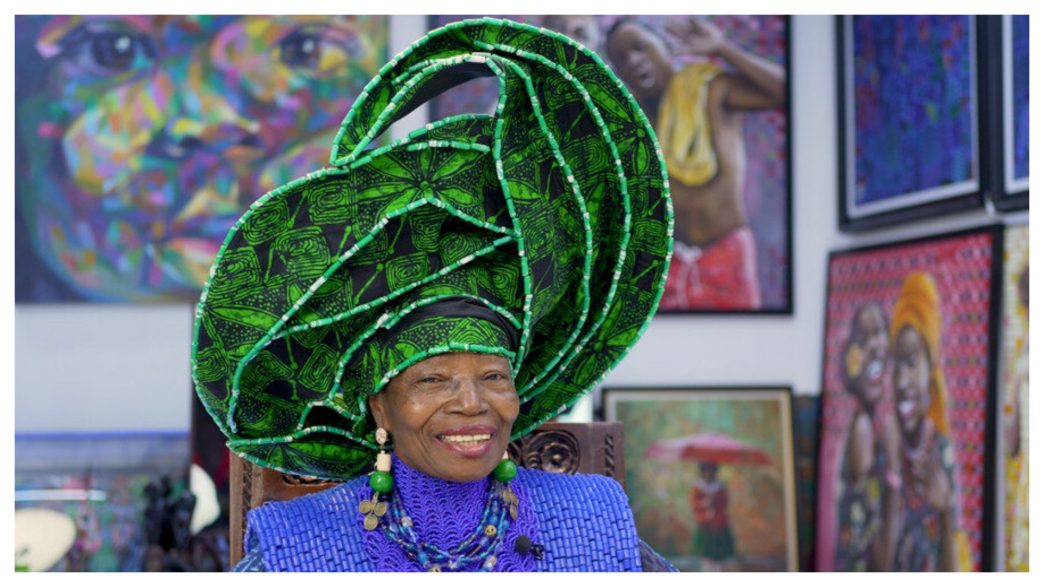
Before Nike Davies-Okundaye became “Mama Nike”, the woman behind one of Nigeria’s most recognisable art institutions, the Nike Art Foundation, she was a young girl trying to survive a life that gave her little control.
Today, people know her as the founder of the Nike Art Gallery, a textile artist, teacher, cultural custodian, and one of the strongest names in Nigerian visual art. But before the gallery, before the international recognition, and before the respect, there was a difficult beginning tied to marriage, control, polygamy, and survival.
She came from a very poor background where there was often no food to eat. Indeed, Nike considers the death of her mother to be directly linked to poverty. She ran away from home at thirteen because her father wanted to marry her off to a man of about sixty years who already had four wives. 
One of the most striking parts of her story is her married life. Her first husband was the late Nigerian artist Prince Twins Seven-Seven, whom she met in their home village. The two began working together because he wanted her to design fabrics for his band, having fallen in love with her work. She was only about nineteen when they married. At first, the union placed her close to the art world, but not necessarily in a way that granted her freedom.
Nike used her sewing and embroidery skills to create costumes for her husband’s band while quietly trying to develop her own work. However, the art scene around her was far from welcoming to women. As she once recalled:
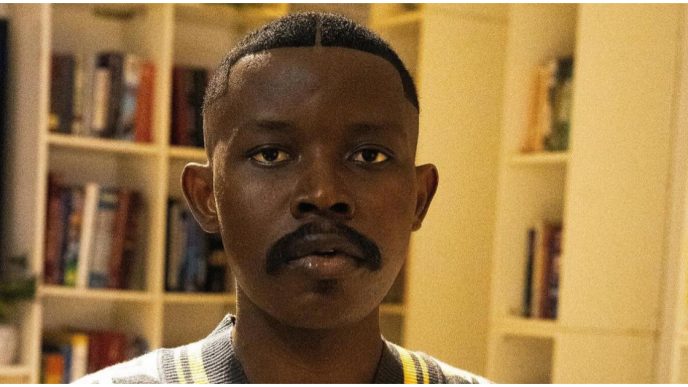
“The men didn’t want a woman to be an artist. So, I worked in the night, and worked for them in the day.”
The marriage was not the soft, artistic love story people might imagine between two creatives. The household was fraught; he reportedly had fourteen other wives, making Nike one of fifteen women in the marriage. Accounts describe how the women were emotionally and financially neglected, enduring constant tension and competition inside the home. She later recalled having to queue just to get a kiss from him. According to her, it accounted for fifteen bad years of her life.
Tradition expected existing wives to accept each new marriage, whether they wanted to or not. But according to Mama Nike, acceptance did not always come freely. One of the most painful parts of her account describes the moment the wives were allegedly taken to a church and denied food, water, and access to their children until they agreed to accept a new co-wife.
By the third day, she said, they had no strength left to resist: “Bring the wife, we’re not jealous anymore.”
She described their mouths as being as dry “like boards”. Yet, instead of merely surviving the household, she began teaching her co-wives traditional adire textile-making skills. That decision was about far more than craft—it was about economic freedom. Soon, each woman could earn her own money. In a marriage where total control was the status quo, financial independence became a form of escape. Nike eventually saved enough to buy her own property and left. What makes the story even more impactful is that the other wives chose to follow her. She bore four children with him, though tragically, one passed away.
She entered two other marriages after leaving Prince Twins Seven-Seven. She married a Briton, David John Davies, with whom she had two children, and later her current husband, Reuben Okundaye, who is the father of her youngest child.
Nike was not simply an artist who became successful. She was a woman who had to push through poverty, forced early marriage, polygamy, neglect, and the crushing pressure of a household where survival itself could have swallowed her identity.
And still, art found her. Or perhaps, she found herself through art.
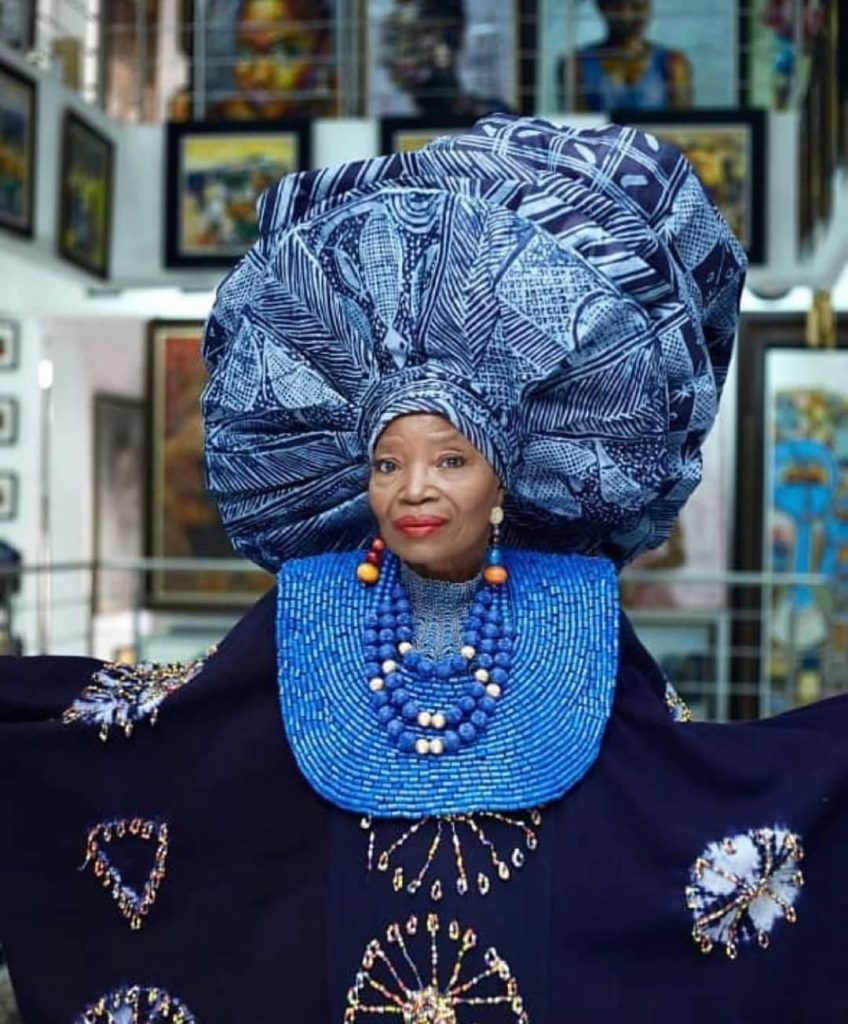
Nike went on to become one of Nigeria’s most important textile artists and cultural educators. She built art centres, trained thousands of young people and women, and helped preserve traditional Nigerian textile practices at a time when those skills could easily have faded.
Her story carries a quiet kind of rebellion. Not the loud type.
She was once one of fifteen wives. Today, she is one of one.
ALSO READ: Doris Ogala Clinches AAC Governorship Ticket Months After Chris Okafor Scandal

About The Author