


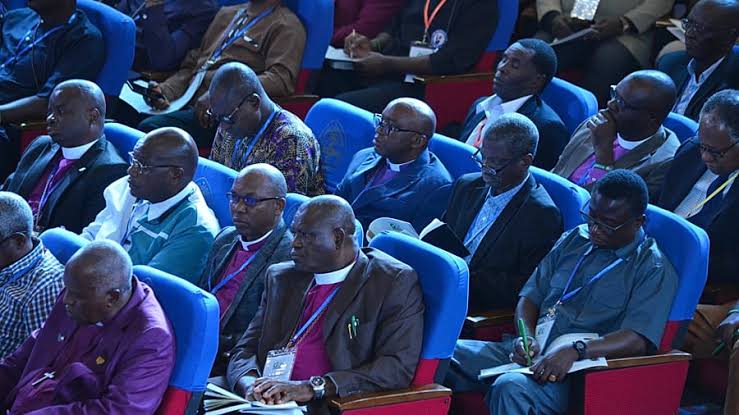
A meeting of conservative Anglican leaders in Abuja this week has revealed just how deep the divisions inside the global Anglican Church have become.
For months, there had been speculation that the group, known as the Global Anglican Future Conference, might elect its own version of a “primus inter pares” — Latin for “first among equals”, the traditional role associated with the Archbishop of Canterbury.
Such a move would have been seen as a direct challenge to Sarah Mullally, who is due to be formally installed later this month. 
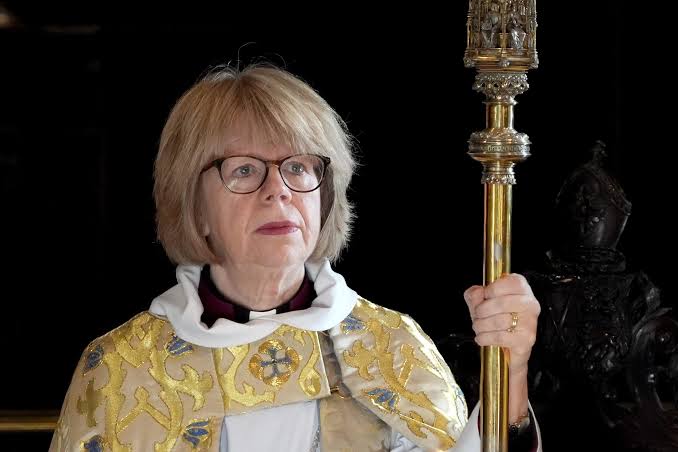
The debate comes as Sarah Mullally prepares to take up one of the most influential roles in global Anglicanism. Mullally, 63, is the first woman to be chosen as Archbishop of Canterbury. A former chief nursing officer in the UK’s National Health Service, she was ordained as a priest in 2006 and later became the first female Bishop of London in 2018, one of the most senior positions in the Church of England.
The post of Archbishop of Canterbury had been vacant for nearly a year following the resignation of Justin Welby after a safeguarding scandal involving serial abuser John Smyth. A report into the case concluded that Welby “could and should” have reported allegations of abuse involving boys and young men to police as early as 2013.
Is this a strategic move?
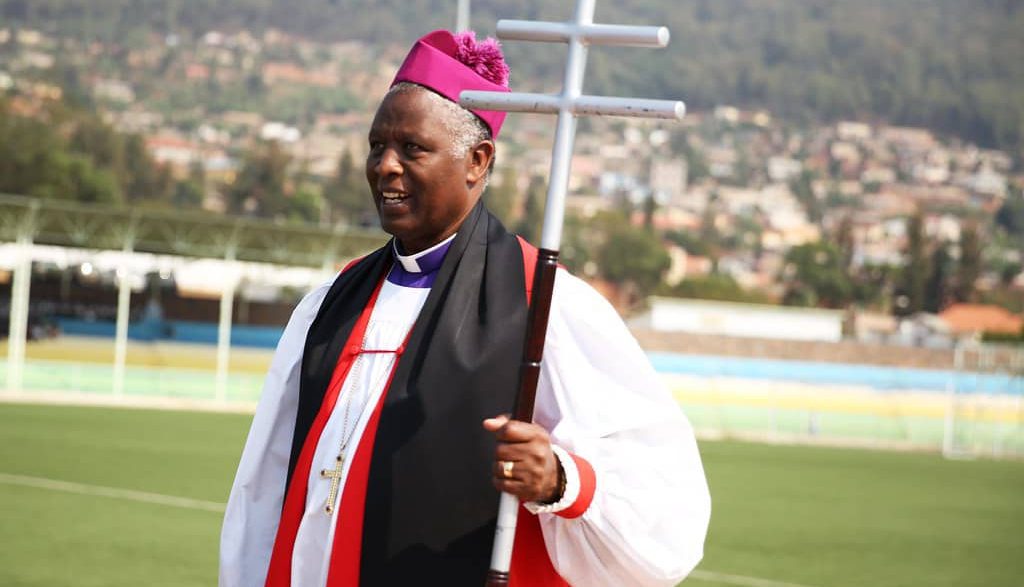
Instead of creating a rival version of the Canterbury role, GAFCON announced the formation of a new leadership council headed by Rwanda’s Laurent Mbanda. The decision left many observers scratching their heads. On paper, it stops short of openly rejecting Canterbury’s authority. In reality, it still creates a parallel structure that could reshape how millions of Anglicans around the world relate to church leadership.
During Thursday’s announcement, GAFCON spokesman Justin Murff repeatedly avoided directly answering whether the group still recognised the authority of the Archbishop of Canterbury.
“The Global Anglican Council recognises Archbishop Laurent Mbanda as its leader,” he said, before adding that Sarah Mullally remains the Archbishop of Canterbury.
That careful wording highlights the delicate balancing act now unfolding within Anglicanism.
On one hand, GAFCON stopped short of openly declaring a rival global leader. On the other hand, by creating its own council led by Mbanda, the group has built a leadership structure that operates independently of the traditional Anglican hierarchy.
For many observers, the distinction may be more symbolic than practical.
ALSO READ:CAN Headquarters Named After First Lady Oluremi Tinubu — See 4 Other Buildings Named After Her
The Deeper Disagreement
GAFCON leaders insist their concerns are about doctrine rather than personalities.
Their argument is that parts of the Church of England have drifted away from biblical teachings, particularly on issues surrounding sexuality and marriage.
Murff said the core question was whether “scripture or contemporary culture governs the life of this church.”
Yet critics note that the controversy also overlaps with debates over gender and leadership. Mullally’s appointment has sparked opposition among some conservative Christians, particularly in parts of Africa, where many believe bishops should be male.
Still, GAFCON insists its disagreement goes far beyond the appointment of a female archbishop.
Africa’s Growing Influence
One reason this debate carries so much weight is the shifting centre of Anglicanism itself.
While the Church of England remains historically significant, the majority of the world’s roughly 95 million Anglicans now live in the Global South, particularly in Africa.
Nigeria alone has one of the largest Anglican populations in the world.
That makes gatherings like the one in Abuja more than just internal meetings. They are signals of how power within the Anglican world may be evolving.
What Happens Next?
For now, the Anglican Communion remains formally united. But the tension is clearly growing.
Later this year, church leaders will gather in Belfast to discuss proposals for managing these deep disagreements. GAFCON, however, has already said it will not attend, arguing that it no longer recognises the authority of the Anglican Communion structures.
In other words, the cracks are widening.
GAFCON may not have crowned its own “Archbishop of Canterbury”, but the creation of its own leadership council suggests something just as significant: a church increasingly learning to operate along parallel lines.
And for the global Anglican family, this could mark the beginning of a very different future.

About The Author