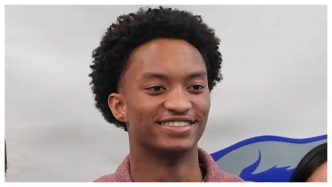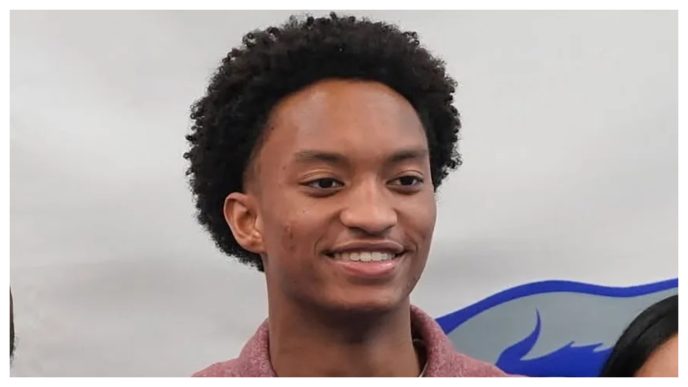



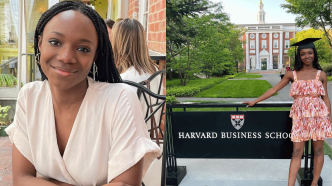
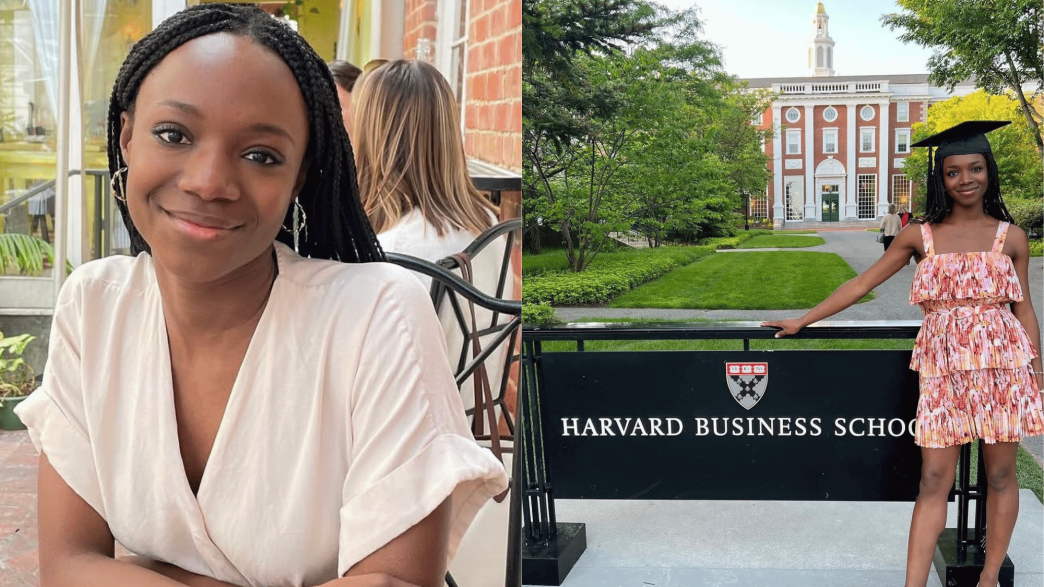
Yinka Ogunbiyi, a Nigerian-American Harvard graduate, biomechanical engineer and chef, has created the world’s first braid-assist robot, Halobraid.
Every African woman can relate to that feeling of sitting in a salon chair for six, seven, or even eight hours while getting braids done. Your scalp is tingling, your neck hurts, and you’re scrolling TikTok to pass the time. Imagine walking out in half the time with perfect braids that don’t pull or tug.
Yinka Ogunbiyi has brought that imagination to reality with HaloBraids and she has raised $ 7 million to make it available to salons. 
How HaloBraids Was Born
Like so many of us, Ogunbiyi grew up wearing braids. But during the 2020 lockdown, she tried doing knotless braids on herself like many other African girls. “It took me four days to do small, waist-length, knotless box braids,” Ogunbiyi said. Four days.
She thought to her fed-up self: why didn’t a tool exist to make braiding easier? When she couldn’t find any tool that could get the job done, she decided to build one.
Working with co-founder David Afolabi (another Nigerian Harvard alum), they talked to over 2,000 women who wear braids and 200 stylists. Together with the knowledge of some stylists, they built and tested more than 600 prototypes.
What started as a personal headache became a real business solving a real problem.
SEE ALSO: Nigerian Co-Founder Develops AI App to Help Husbands Better Communication with Wives
How Does the HaloBraid Work?
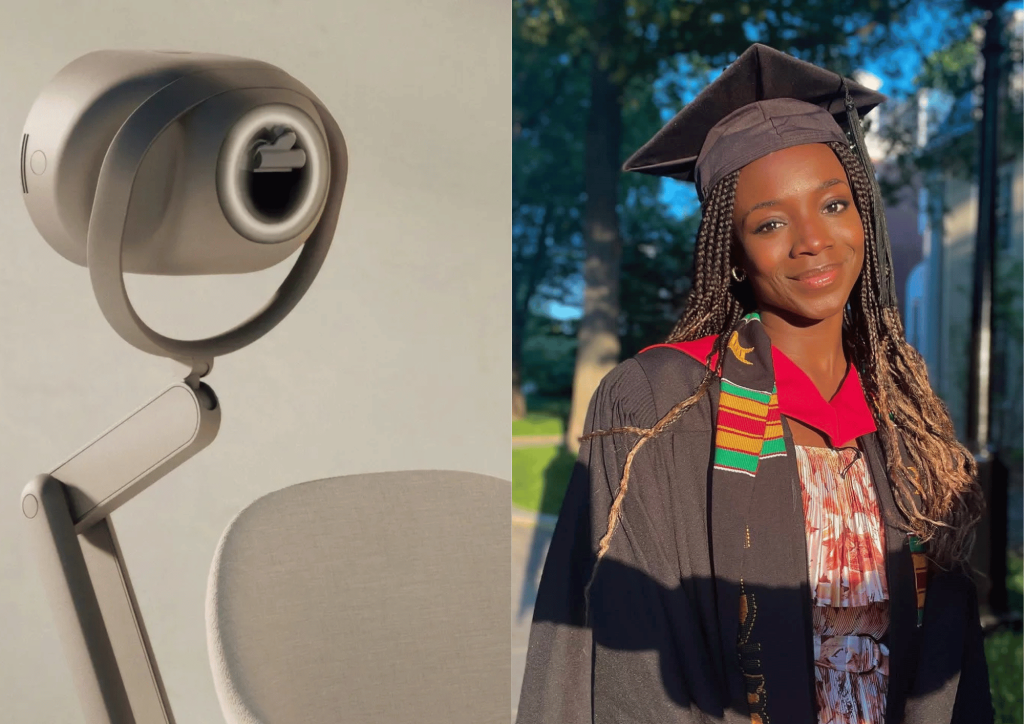
The HaloBraid wasn’t built to replace your favourite stylist. According to Ogunbiyi it is more of a super-smart assistant that works with them to automate the repetitive process of braiding textured hair.
Your stylist has full creative control as they start the braid by hand first, HaloBraid then jumps in and finishes it up to five times faster than your hairstylist would.
Although five times faster, according to PR Newswire, this innovation gives neat, even braids that match the pattern perfectly, with way less pulling on your scalp.
For stylists, this means less back pain, more clients per day, and better earnings. As for you, the client, you get quicker appointments and that quality, protective style you love. A win for all.
So far, Halo Ogunbiyi’s company has raised $7 million in funding from top investors to introduce HaloBraid. It also won Harvard’s President’s Innovation Challenge which secured $75,000 in funding and made the project go after the pitch.
Thousands of stylists and salons are already on the waitlist. The HaloBraid will launch in select U.S. salons in September.
What HaloBraid Cannot Do
As amazing as HaloBraid is, it’s limited to just braids, not cornrows. “It’s not as complex as a human hand, and it can’t do everything a human hand can,” says Ogunbiyi. Cornrows are made close to the scalp but HaloBraid can only take over mid-length of a braid to finish it up.
The HaloBraid cannot part hair either, hence the need for a stylist to start the braiding process.
According to Allure, the device is free, however Halo will get an undisclosed percentage of what the stylist makes per appointment. “We have 6,000 stylists signed up to receive the HaloBraid, and there are 5,000 stylists and salons on the wait list,” says Ogunbiyi.
As a biomedical engineer and serial hardware founder, Yinka previously co-founded Desora, where she co-invented six patented smart cooking devices and helped bring advanced consumer hardware to market. She holds a BSc, MS, and MBA from Harvard and keeps a low profile. If she’s not cooking up something in tech, she is probably cooking good food.
About The Author