




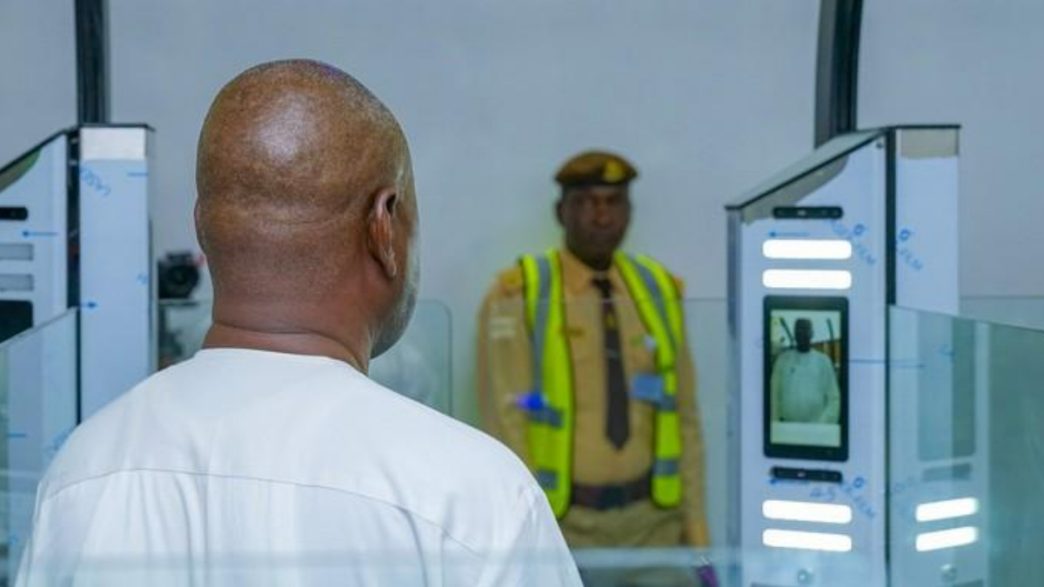
The vPASS biometric system is the latest attempt to make domestic air travel faster, safer and less vulnerable to fraud in Nigeria. But while aviation authorities say the new system will streamline airport operations, some passengers are already questioning why another layer of identification is necessary when Nigerians already have the National Identification Number (NIN), boarding passes and other security checks.
Aviation Minister Festus Keyamo unveiled vPASS on November 16, 2026, at Murtala Muhammed Airport in Lagos. It introduces biometric verification into domestic air travel, allowing passengers to use facial recognition, iris scans or QR codes at designated airport checkpoints.
The government wants airlines to integrate the system by December 31, 2026, with enforcement beginning January 1, 2027. So, what exactly is vPASS, how does it work, and could it actually make flying in Nigeria easier? 
What is the Nigeria vPASS biometric system?
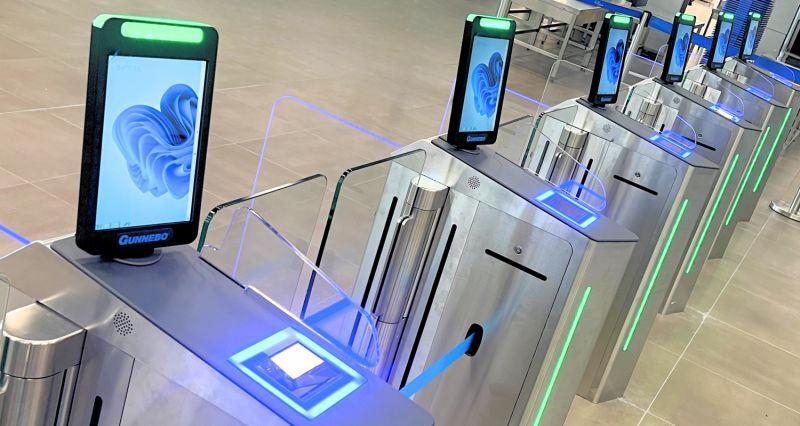
vPASS, which stands for Airport Passenger Verification System, is a digital passenger identification platform designed to verify travellers at different stages of their domestic airport journey.
Rather than relying entirely on airport staff to manually inspect passengers’ identification documents, the system connects a traveller’s identity to their flight information and uses biometric technology to confirm that the person attempting to board is the actual passenger.
The Federal Airports Authority of Nigeria (FAAN) developed the system in partnership with VERXID Technologies Limited through a public-private partnership arrangement. The Federal Executive Council approved the project in 2025, while authorities signed the concession agreement in April 2026 ahead of its rollout.
SEE ALSO: When AI Starts Solving the Unsolvable: Are We Entering a New Era of Scientific Discovery?
Its first phase covers domestic terminals in Lagos and Abuja, with plans to extend the system to other domestic airports.
Although officials have described vPASS as a major security upgrade, it is essentially an electronic identity verification system designed to make airport access more automated and accountable.
How does vPASS work?
Passengers register once through the vPASS mobile application or designated airport kiosks. Nigerians use their National Identification Number (NIN), while foreign travellers can register with their international passports.
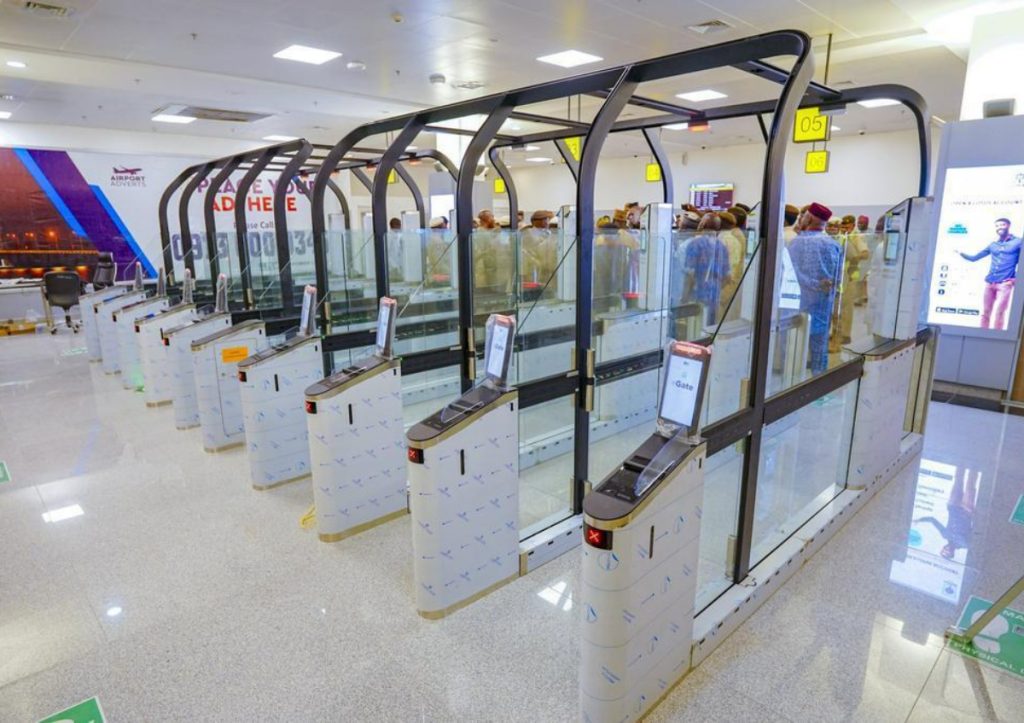
After registration, passengers can use the system at designated airport checkpoints.
At security gates, travellers follow the verification procedure, which may involve entering their NIN details or scanning a QR code. At boarding gates, passengers scan their boarding passes and undergo biometric verification to confirm that their identity matches their flight booking.
If the system fails to recognise a passenger, airport officials are expected to assist through manual verification.
Why is Nigeria introducing the vPASS biometric system?
The government says vPASS will address security weaknesses and inefficiencies in domestic aviation.
Fighting fraud and improving security
Authorities want to reduce identity fraud, ticket racketeering, touting and other irregularities. Linking passengers’ identities to their flight bookings could make it harder for people to travel using false identities and improve the accuracy of passenger records.
The system could also strengthen airport security by helping officials verify who enters restricted areas and boards aircraft.
Reducing airport queues
The government also hopes biometric verification will reduce repeated manual checks and speed up passenger processing.
If the technology works efficiently, travellers could spend less time presenting identification documents at different checkpoints, particularly during busy travel periods.
ALSO SEE: Why Your Data Finishes So Fast: MTN Nigeria Explains
Advantages of the vPASS biometric system in Nigeria
The system could offer several benefits to passengers and airport operators:
- Faster processing: Automated verification could reduce queues at security and boarding gates.
- Improved security: Biometric checks make it harder for people to impersonate passengers.
- Reduced fraud: Authorities hope it will help tackle ticket racketeering and identity-related irregularities.
- Better passenger records: Linking identities to flight bookings could improve passenger tracking and record accuracy.
- Convenience: Passengers register once and use the system at designated checkpoints instead of repeatedly presenting physical identification.
If properly implemented, vPASS could make airport procedures more efficient and reduce some of the frustrations associated with domestic air travel.
What are the disadvantages and concerns of the vPASS biometric system in Nigeria?
Despite its promises, vPASS raises several concerns.
Biometric errors and technical failures
Facial recognition systems can fail because of poor lighting, camera problems or inaccurate biometric records. Network outages and equipment failures could also disrupt passenger verification.
Although officials say passengers will receive assistance when verification fails, travellers worry that technical problems could cause delays and make them miss flights.
Privacy and data security
The system will handle sensitive personal information, including biometric data linked to national identity records. Passengers want to know who can access their information, how long authorities will retain it and what safeguards will prevent hackers from stealing or misusing it.
Unlike passwords, biometric information cannot easily be changed after a data breach, making data protection particularly important.
Another layer of bureaucracy?
Many Nigerians already have NINs, passports, boarding passes and other identification documents. Some passengers therefore question why the government needs another verification process.
Others worry that the system could introduce additional costs, create new delays or give airport officials another opportunity to frustrate travellers when the technology fails.
What are Nigerians saying about vPASS?
Public reaction has been mixed. Some Nigerians support improved airport security but question whether biometric verification is necessary for domestic flights. Others worry about privacy, possible technical failures and whether the government can implement the system properly before the deadline.
Passengers have also questioned whether vPASS will genuinely tackle ticket fraud and touting or simply introduce another procedure they must complete before boarding.
The debate centres on whether the technology will make airport journeys more convenient or create additional complications for travellers.
When will vPASS become mandatory?
The Federal Government has given domestic airlines until December 31, 2026, to integrate with the system.
From January 1, 2027, airlines that fail to comply could face restrictions preventing them from boarding passengers. The rollout will initially cover Lagos and Abuja, with plans to extend the system to other domestic airports.
If vPASS delivers on its promises, it could improve security and modernise Nigeria’s domestic aviation system. But its success will depend on reliable technology, proper data protection and whether passengers can use it without encountering unnecessary delays.
For Nigerian travellers, the real test will be whether vPASS makes flying easier or simply adds another hurdle between them and their boarding gates.
READ ALSO: Beyond ChatGPT: The Extraordinary Things People Are Building with AI

About The Author