


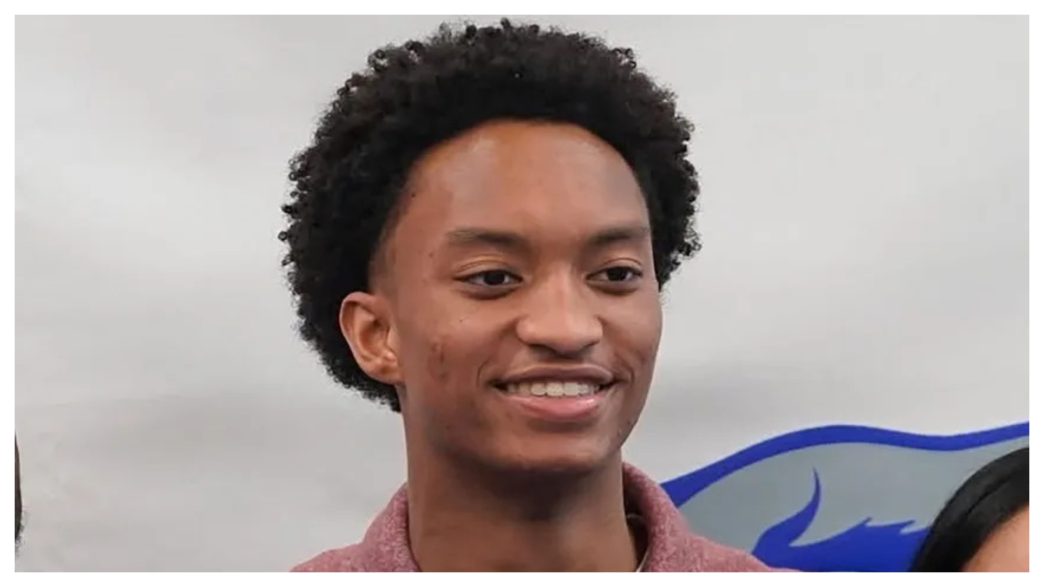
When forensic pathologist Dr. Roger Mitchell Jr. received the body of Nolan Xavier Wells for an independent autopsy, something was missing. The portions of the neck and throat (including the trachea and the thyroid and hyoid structures) weren’t there, and without them, a full evaluation for possible strangulation couldn’t be conducted.
Nolan Xavier Wells, an 18-year-old football player at Southwest Mississippi Community College, was known to be a strong swimmer. He went with friends on a Fourth of July trip to Horn Island, a barrier island off the Mississippi Gulf Coast, but failed to return. His family reported him missing, and his body was recovered by authorities on July 6, 2026.
From the moment he disappeared, questions began forming. The case drew national attention quickly, with public figures including Nancy Grace weighing in, and Wells’ family publicly raising concerns about the circumstances of his disappearance and death. 
The Independent Autopsy

On July 22, civil rights attorney Ben Crump announced the preliminary findings of an independent autopsy commissioned by the Wells family and funded by former NFL player Colin Kaepernick. The examination was conducted by Dr. Roger Mitchell Jr., a nationally recognised forensic pathologist, president of the National Medical Association, former Chief Medical Examiner of the District of Columbia, and president of Howard University Hospital.
Dr. Mitchell’s findings were clear on one thing and unclear on everything else that matters.
Cause of death: Undetermined.
Manner of death: Undetermined.
Date of death: Unknown.
The independent autopsy doesn’t say how Nolan Wells died. What it does say is that too much was missing for a conclusion to be reached.
SEE ALSO: How Nolan Wells Was Found Dead After a Trip with His White Friends
What Was Missing
The most significant finding in Mitchell’s report isn’t what he discovered. It is what he couldn’t examine.
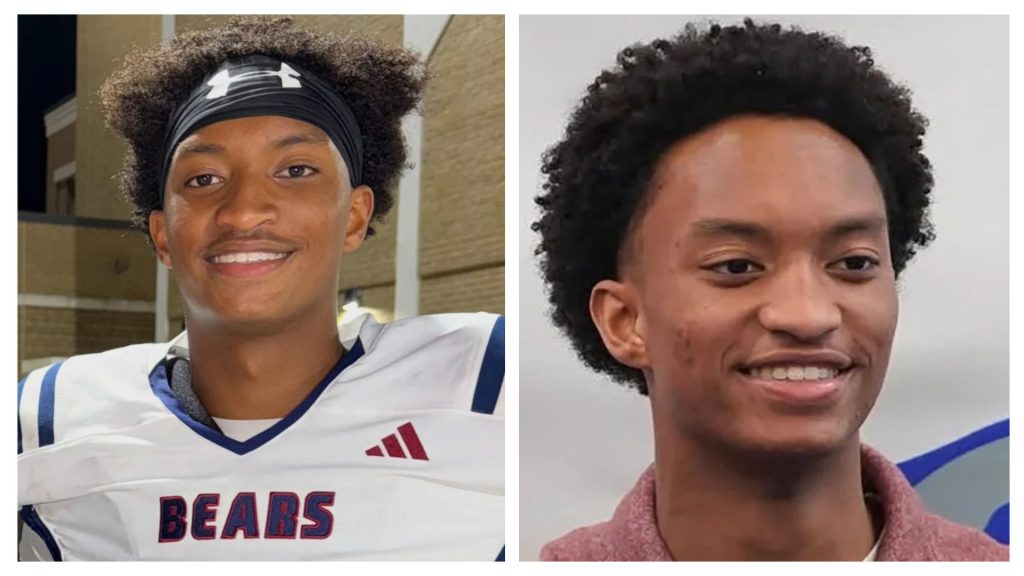
When Wells’ body arrived, it didn’t include portions of the neck and throat (specifically the trachea and the thyroid and hyoid structures). Dr. Mitchell stated that he assumed those parts had been retained by the state medical examiner for additional evaluation, which he said is standard practice. The state medical examiner had already conducted the initial autopsy on July 7 at 8:30 am, the day after the body was recovered.
The problem is that without the hyoid bone and surrounding throat structures, it isn’t possible to fully evaluate whether a person was strangled. The hyoid is one of the primary indicators forensic pathologists examine in strangulation cases. Its absence from what Mitchell received meant a critical line of inquiry was closed before his examination could begin.
He also stated that Wells’ internal organs had been removed during the original autopsy and placed back into the body cavity, a standard procedure too, but limiting for a secondary examination. Decomposition further restricted what could be assessed from the skin. Toxicology results weren’t yet available, and Mitchell described those as a major factor in his overall findings.
What Mitchell Did Find
Dr. Mitchell identified a large area of red discoloration (measuring 12 by 8 centimetres) on the tissue at the back of Wells’ head near the occipital bone, deep in the soft tissue. It was significant enough that Ben Crump addressed it directly at the news conference.
“We actually saw the picture of it. It’s significant, and you can’t help but notice. Why is this dark red here in the back of his head?” Crump said.
Dr. Mitchell described it as a meaningful finding that requires further investigation. No skull fractures were found, and bruising on the skin couldn’t be evaluated due to decomposition.
SEE ALSO: Flight Instructor Jumps From Plane Mid-Air, Leaving Student to Land Alone
Other Questions the Family Is Raising
Beyond the autopsy findings, the Wells family has pointed to a series of details they say do not add up.
Wells was reportedly found face down and fully clothed. The last known video of him, from the Fourth of July outing, shows him shirtless. How and when those clothing circumstances changed hasn’t been explained.
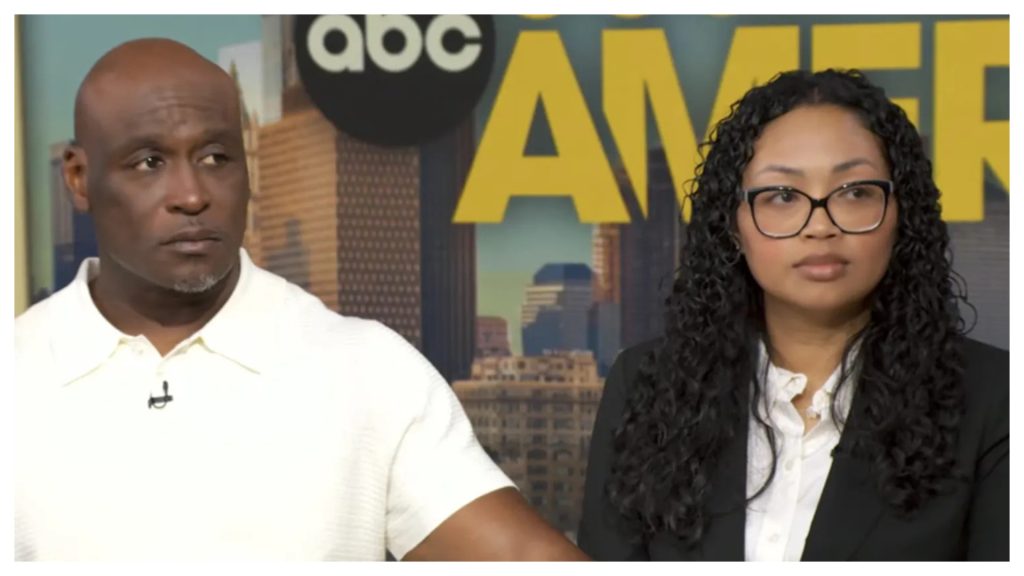
His family also expressed doubts that he could have accidentally drowned, describing him as a strong swimmer who was comfortable in the water. The Jackson County Sheriff’s Office has said investigators haven’t found signs of foul play, and that the investigation is ongoing. The Mississippi Department of Public Safety confirmed the state examiner’s autopsy was completed on July 7 and said the process followed standard protocols, while declining to comment on the independent examination.
So what really happened to Nolan Wells?

About The Author