


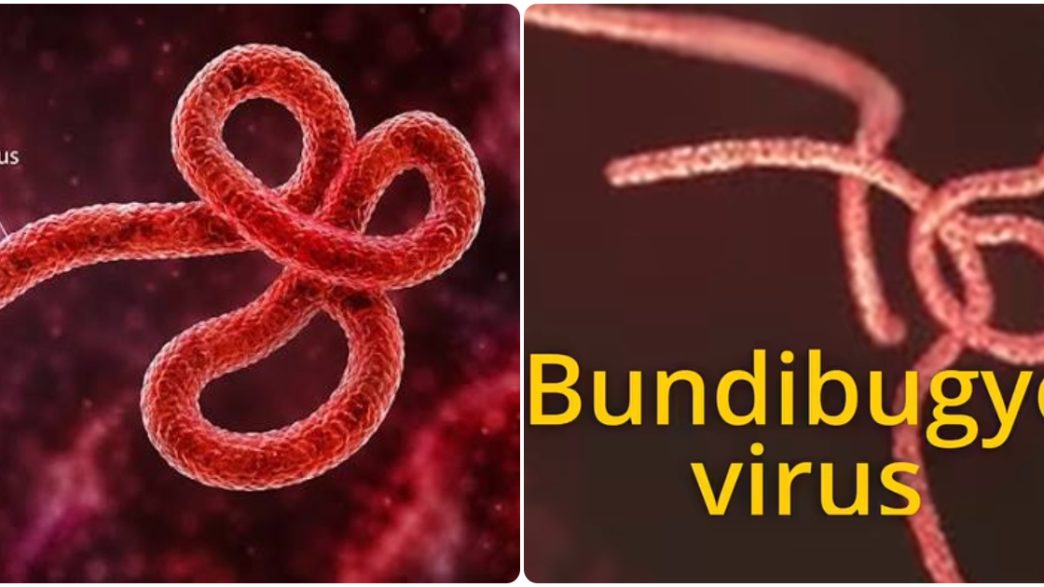
Ebola virus, a dangerous disease, has been spreading in Africa, and it is killing almost half of the people it infects.
The Ebola outbreak is still ongoing
The Nigeria Centre for Disease Control and Prevention (NCDC) has placed Nigeria on high alert because of the outbreak in the Democratic Republic of Congo.
As of September 20, Congo had recorded 7,733 confirmed cases, while 3,732 people had died from the disease, which is almost half of the confirmed cases. 
The outbreak has already spread to 63 health zones in seven provinces of Congo. Uganda, which also recorded cases earlier in the outbreak, officially declared its Ebola outbreak over on August 27 after going 42 days without a new confirmed case.
These are the latest figures as of September 20.
Scientists are testing vaccines and treatments
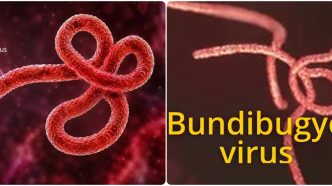
There is no licensed vaccine or approved specific treatment, especially for the strain known as the Bundibugyo virus, which caused the Ebola outbreak. However, scientists are testing vaccines and treatments.
Congo has started a vaccination programme for frontline healthcare workers as part of a clinical trial. So now there are more tools than the beginning of Ebola outbreak, but the strain is still a major challenge.
Nigeria has not reported a confirmed case from this outbreak.
READ ALSO: Diphtheria Is Spreading Again in Nigeria: What You Need to Know About the Disease
Nigeria remains on high alert
Nigeria is now on high alert because of the risk of the virus entering the country through people travelling in and out. With this outbreak of the virus, it is important that we start protecting ourselves from now on, more than ever.
Wash your hands properly with soap and running water, especially when you are coming back from crowded places such as markets, work, bus stops and train stations.
Also, avoid contact with the bodily fluids of someone who is sick, as well as blood.

About The Author