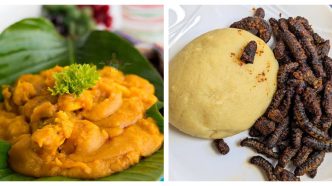
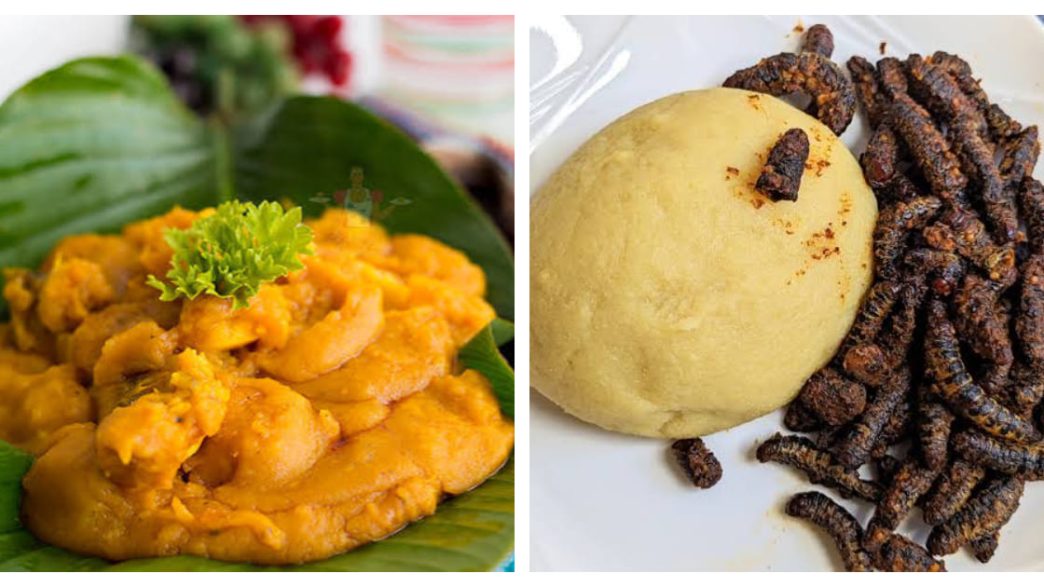
If many people know Yoruba food through amala, ewedu, gbegiri and pounded yam, Ijebu foods offers another menu worth discovering.
The Ijebu are a Yoruba subgroup associated mainly with Ogun State and parts of Lagos. Their food culture makes inventive use of water yam, cocoyam, cassava and seasonal ingredients.
Here are five Ijebu foods that many people outside the region may not have tried. 
1. Ikokore
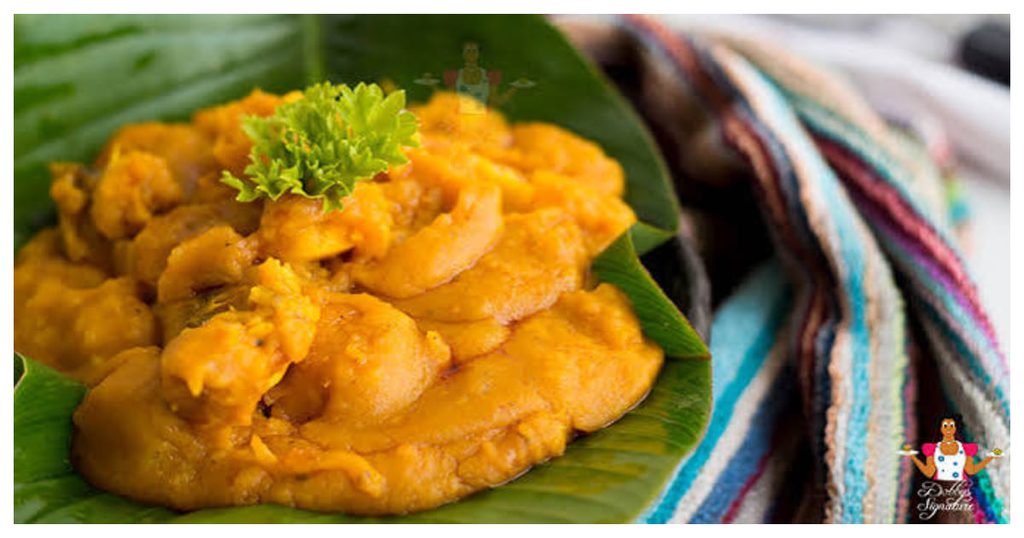
Ikokore, also called ifokore, is a water-yam pottage. Cooks grate water yam, locally known as isu ewura or obisu, and drop it into a peppery stock.
The yam forms soft, sticky lumps as it cooks. Fish, crayfish, palm oil, pepper and local seasonings add flavour. Some people eat ikokore on its own, while others serve it with cold eba, eko or garri Ijebu.
2. Ebiripo
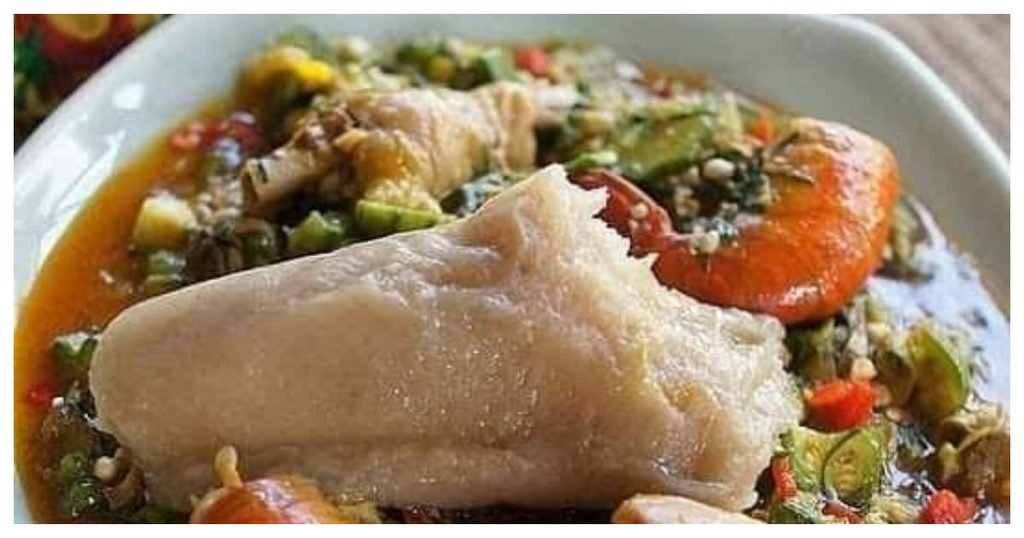
Ebiripo turns cocoyam into a steamed, leaf-wrapped meal. Cooks grate cocoyam into a paste, add seasoning and sometimes crayfish, then wrap portions in leaves before steaming them.
The finished food has a firm, smooth texture. People often eat it with egusi or vegetable soup.
Ebiripo may look familiar to anyone who knows moi-moi, but the main ingredient is cocoyam rather than beans. The dish has also attracted food research because cooks can add soy flour to increase its protein content.
YOU MIGHT ALSO LIKE: 10 Staple Food Items That Have Become Cheaper in Nigeria
3. Ojojo
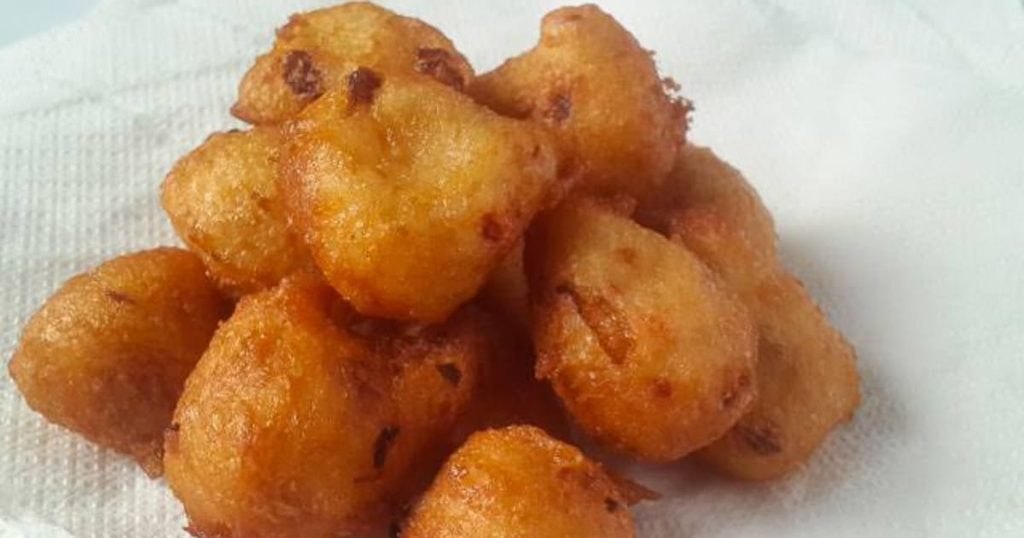
Ojojo is a fried water yam or cocoyam snack. The cook grates water yam or cocoyam and mixes it with pepper, onion, salt and other seasonings before frying the mixture into small golden balls.
People can eat Ojojo alone, with pap, garri or as a snack at gatherings. A 2022 food study describes fried water yam/ cocoyam balls as an indigenous snack of south-west Nigeria, especially Ogun State.
For anyone who thinks water yam only belongs in pottage, Ojojo offers a completely different texture.
SEE ALSO: See the Foods Killing Us in Africa
4. Iyan Poro
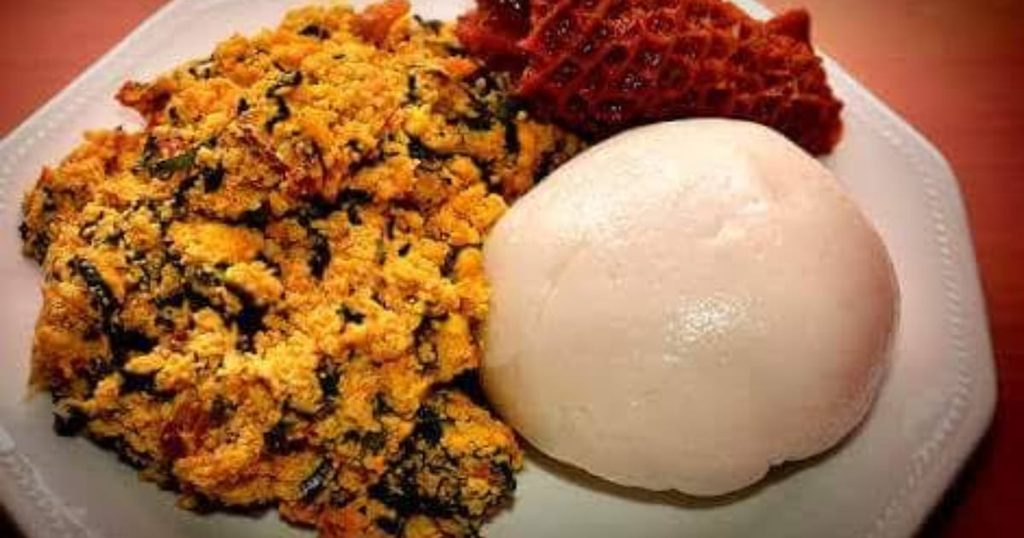
The name may sound like ordinary pounded yam, but Iyan Poro uses a special type of cocoyam. The Ijebu traditions study describes it as a pounded cocoyam dish served with okro or apon soup.
Both soups have a draw-like texture, which makes them suitable partners for the firm, starchy meal. The dish shows how Ijebu cooks turn one family of root crops into several very different meals.
5. Ekuku
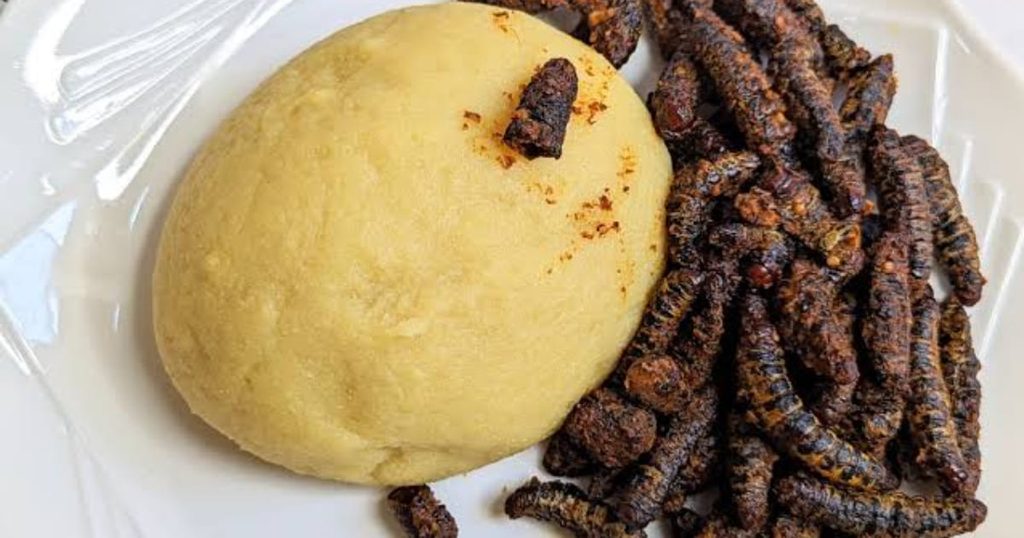
Ekuku is the entry most likely to surprise first-time readers. In this context, it refers to a caterpillar delicacy, not a soup.
An entomology study identifies Anaphe venata as a caterpillar known as Ekuku in Yoruba and records it in south-west Nigeria. The study also lists Ekuku among the delicacies recorded in the Ijebu traditions research.
The researchers describe traditional processing that includes boiling and sun-drying the larvae. Availability can depend on season and location, so anyone reporting or photographing Ekuku should speak with an Ijebu cook or food seller to confirm the local name, species and preparation.
More than unusual food
These dishes are not a contest between “normal” and “strange” food. They show how regional cooking traditions use local crops, textures and seasonal ingredients.
Ikokore and Ojojo make water yam the star. Ebiripo and Iyan Poro show the range of cocoyam. Ekuku points to an older tradition of using edible insects as seasonal protein.
These meals serve as a reminder that Yoruba cuisine is far more diverse than the dishes most widely known outside the region.
READ ALSO: 6 Foods You Thought Were Nigerian but Actually Aren’t

About The Author