



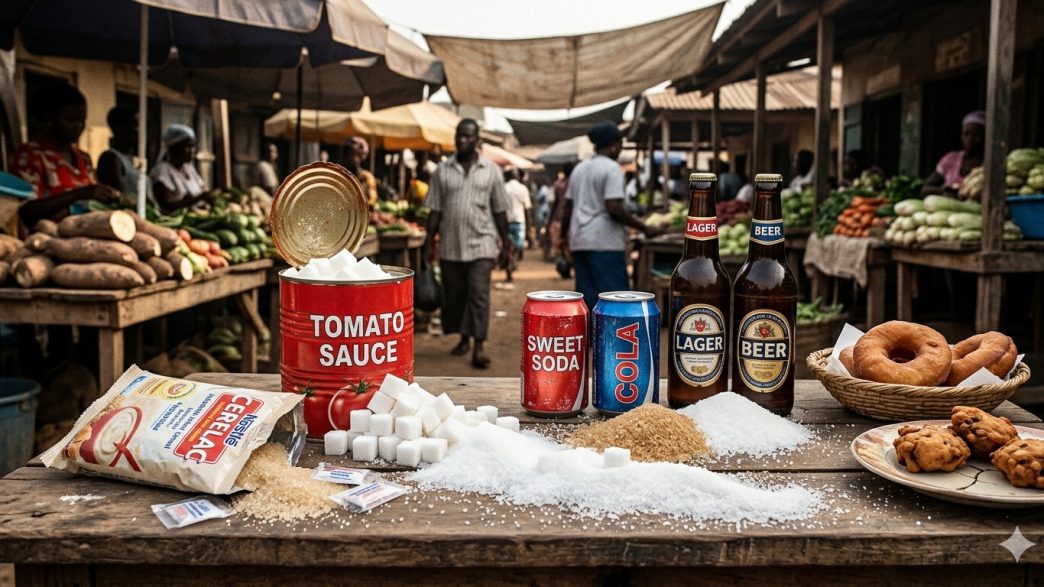
Life is short in Africa. According to Statista, as at 2025, Nigeria had the lowest life expectancy, at 54.8 years. Meanwhile, the life expectancy in Africa was just over 64 years. In comparison, life expectancy at birth in the European Union (EU) reached approximately 81.5 years in Europe in 2024.
Time and time again, research has shown that the foods we eat in Africa are killing us; both locally made and processed foods. 
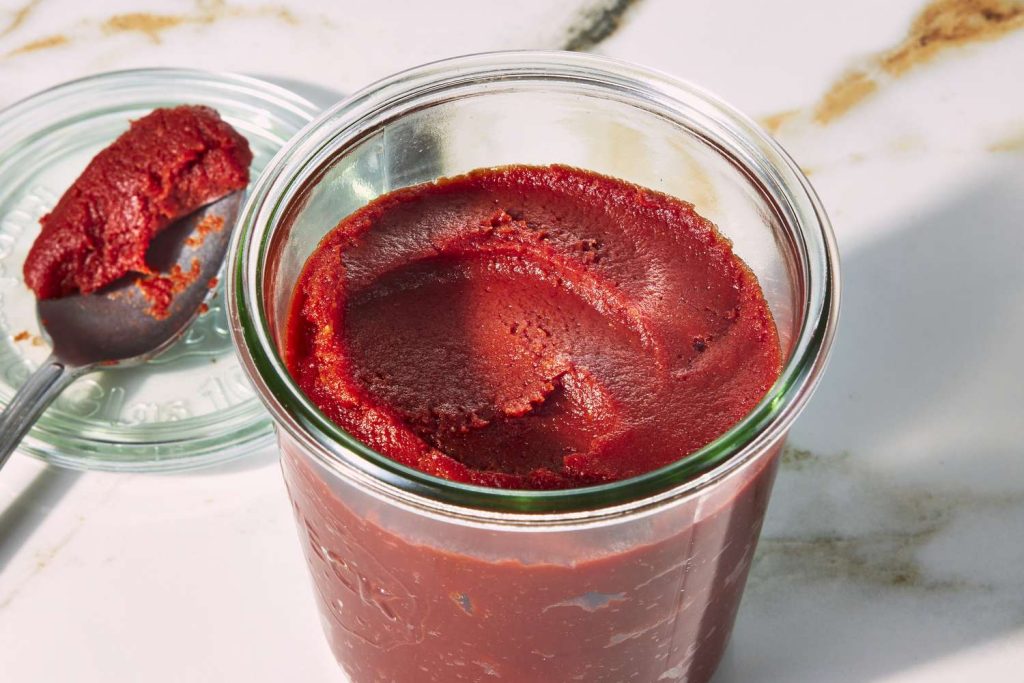
According to the WHO, today’s sugar consumption is “hidden” in processed foods, with even items like tomato paste having a lot of sugar.
For example, instead of buying fresh tomatoes, most people buy tomato sauce; one tablespoon of tomato sauce contains around 4 grams (around 1 teaspoon) of sugar. A single can of sugar-sweetened soda contains up to 40 grams (around 10 teaspoons) of sugar.
Public Eye’s investigation into Cerelac, a popular infant cereal produced by Nestlé, revealed significant findings about its sugar content. Analysis of nearly 100 samples from over 20 African countries demonstrated that 94% of the analyzed Cerelac products contained added sugar.
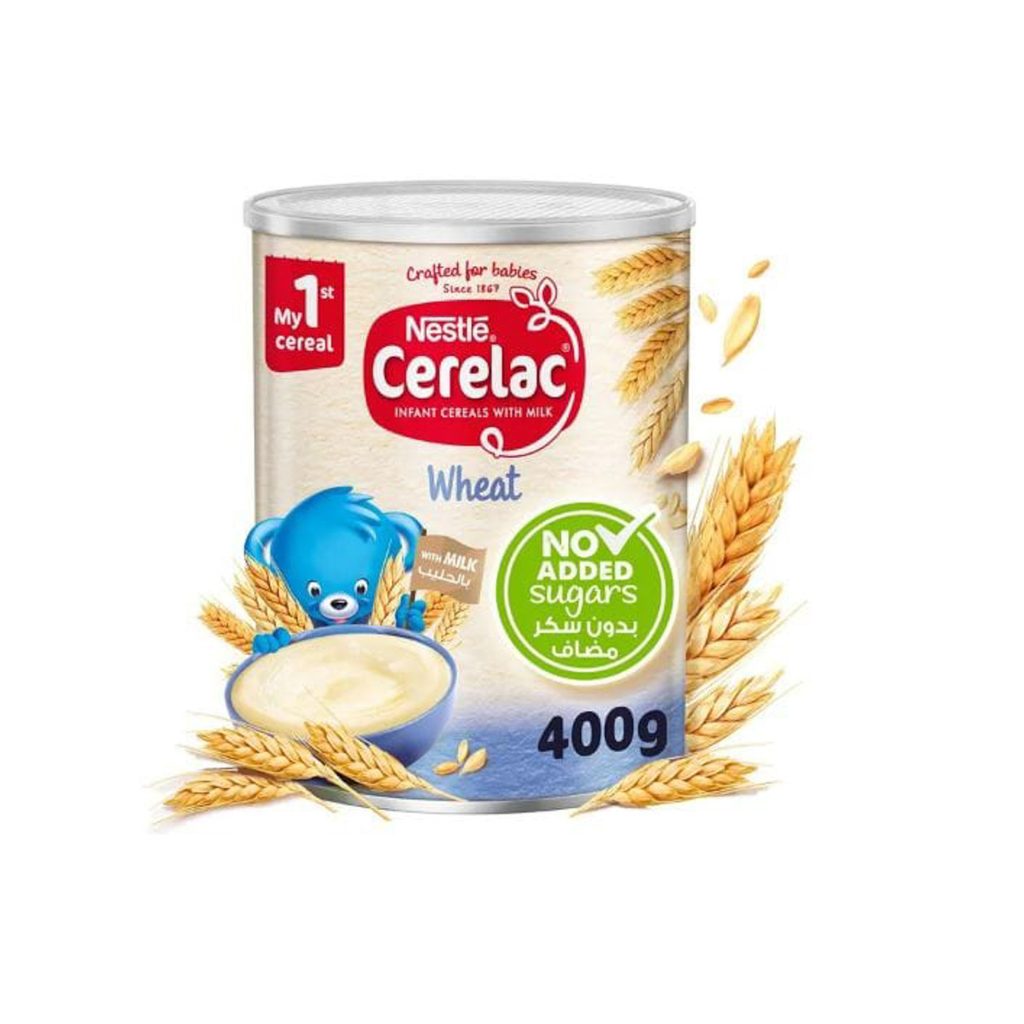
The average sugar content across these markets was found to be 6 grams per serving, which is roughly equivalent to one and a half sugar cubes, with some samples in certain markets reaching up to 7 to 7.5 grams per serving. Specifically, samples from Nigeria showed an average of 5 grams, with some hitting 6.1 grams.
WHO officials stress the need for swift adoption of sugar guidelines alongside increased physical activity to tackle rising obesity and non-communicable diseases (NCDs).
They recommend that free sugars should not exceed 10% of total energy intake (about 50 grams on a 2000-calorie diet) to prevent NCDs (lifestyle diseases), with a further reduction to below 5% (less than 25 grams) advised for additional health benefits.
The Foods That Kill Us in Africa
According to research published on ScienceDirect and funded by the Food and Agriculture Organization (FAO) of the United Nations, these are the foods in Africa that kill us:
1. Ultra-Processed Packaged Goods
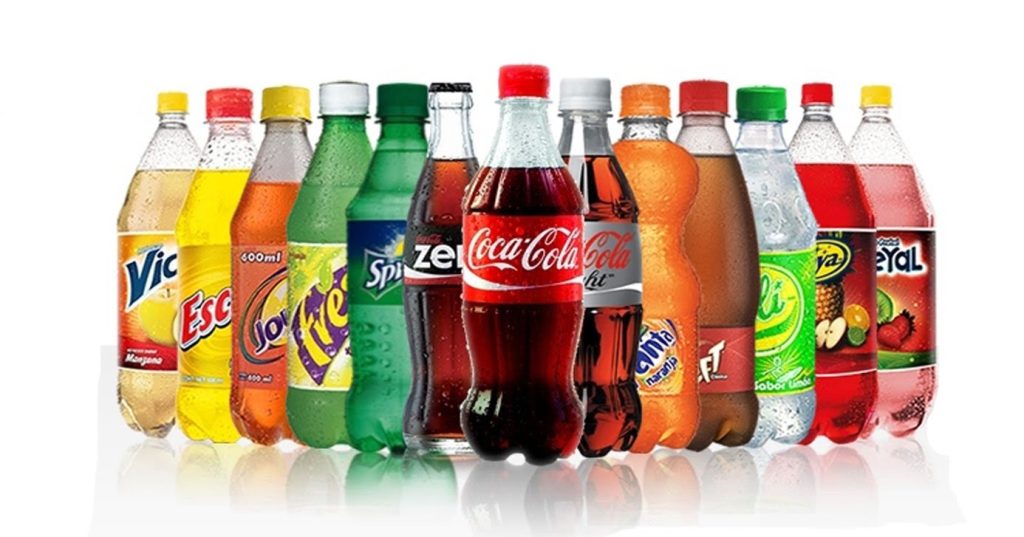
These are industrially made products typically high in added salt, sugar, and unhealthy fats.
- Sugar-Sweetened Beverages (SSBs): Bottled or canned sodas and other sugary drinks.
- Packaged Snacks: Industrial cookies and crackers.
- Highly Refined Carbohydrates: Instant noodles and white bread.
- Alcoholic Beverages: Specifically mentioned as a form of processed intake (e.g., beer).
2. “Ultra-Processed” Traditional Foods
Even traditional snacks produced by small and medium businesses can be harmful if they are highly processed:
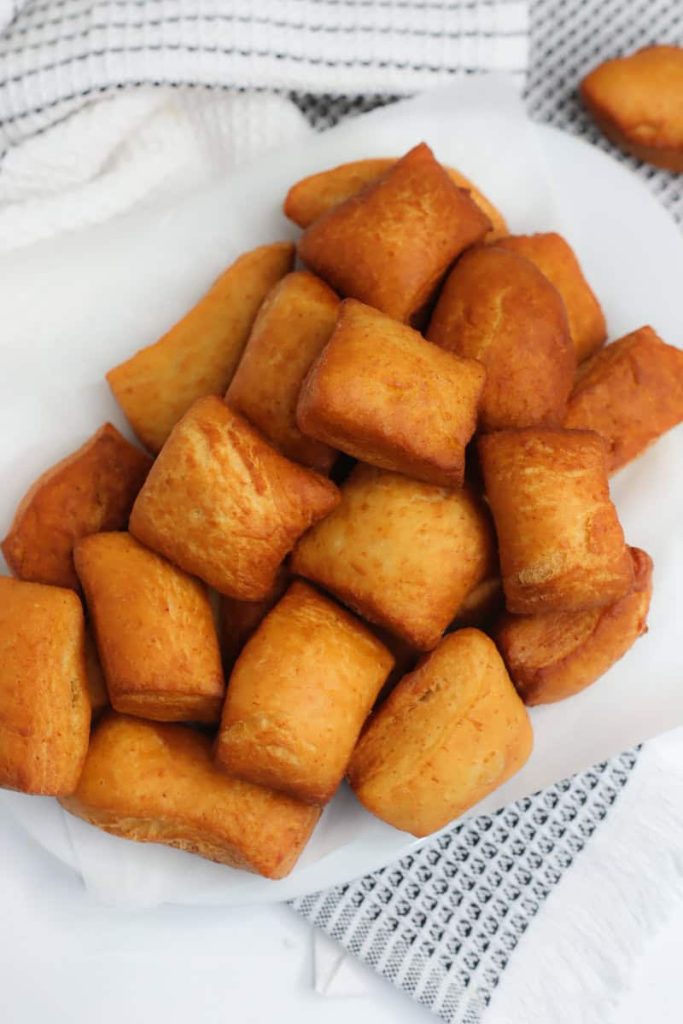
- Mandazi and Puff Puff: Traditional East African and West African donuts that are heavily fried and sugared.
- Fried Dough/Fritters: Oily snacks like cowpea fritters.
3. Meals Away From Home (MAFH)
Food bought from street vendors, kiosks, or fast-food chains often mimics the profile of ultra-processed foods. They are flagged for containing:
- High Sodium: Excessive salt used for flavour and preservation.
- Unhealthy Saturated Fats: Often from reused frying oils.
- Refined Starches: Common examples include “chicken and potato fries” or white rice with heavy sauces.
SEE ALSO: The Tribe in South Sudan That’s Obsessed With Arsenal FC
Why Foods in Africa Have Too Much Sugar
The lack of regulatory control is the main cause of this aberration, because corporations will continually add sugars to food because they are cheaper, last longer on the shelf, and improve taste, the government has to regulate the sugar in these meals.
All EU Member States have implemented measures to limit added sugars in diets. They promote unsweetened or low-sugar options and healthier alternatives such as fresh fruits, vegetables, and dairy products.
Some countries establish specific thresholds for maximum sugar intake, suggesting less than 10% of energy intake or allowing 11g to 65g of sugar per day based on age. Additionally, while some countries permit the occasional offering of fruit juices without added sugars, they emphasize that water should be the primary drink for hydration.
Furthermore, most Member States provide guidelines on the consumption of soft drinks, advising that beverages containing added sugars, sweeteners, or stimulants should not be available or served.
The rise in sugar consumption in Africa is linked to various factors, including cultural traditions, geographical conditions, and economic circumstances.
According to the WHO, tooth decay, health problems leading to obesity, diabetes, cardiovascular diseases and cancer are the likely result of eating these foods.
SEE ALSO: Thieves Stole 400,000 Bars of KitKat Chocolate – See The Plan To Get It Back

About The Author