



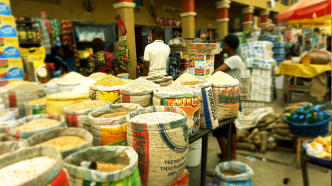
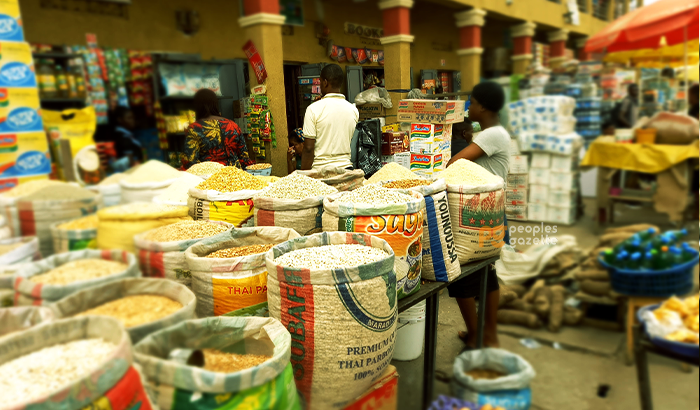
Shoppers are finally getting some breathing room at the market, as prices of several everyday staples slipped in September 2026. Maize, garri, pepper, beans and rice are among the food items that have become cheaper in Nigeria, according to a fresh survey by Nairametrics.
The survey tracked 67 staples across the Mushin, Daleko, Mile 12 and Oyingbo markets in Lagos. It found that 36 items got cheaper in September, up from 27 in August. Another 16 rose in price, while 15 held steady.
Traders credit stronger harvest inflows and cautious household spending for the drop. The relief is not universal, though, as egusi, tomatoes and cooking oil moved the other way. 
Why food prices are easing in Lagos markets
Supply is the main story.
A grains trader at Mushin market told Nairametrics that more maize, beans and garri are reaching Lagos, which forces sellers to compete for buyers. A wholesaler at Daleko market said customers are buying in smaller quantities because budgets remain tight. In her words, “Traders cannot keep increasing prices when demand is weak.”
Nairametrics also noted that transport costs stayed fairly stable through the month, which helped keep prices from creeping up.
For anyone looking for food items that have become cheaper in Nigeria, the pattern is clear. The biggest drops are in cereals, legumes and root crops, which benefit most directly from improved harvest supplies.
READ: Why Fuel Prices in Nigeria Stays High as Marketers Cut Rates
From maize to garri and rice: Food items that have become cheaper in Nigeria
1. White maize. A 50kg bag fell 20% to ₦40,000 in September, from ₦50,000 in August.
2. Yellow maize. It followed the same path, dropping 20% to ₦40,000 per 50kg bag. That helps both households and the businesses that rely on the grain.
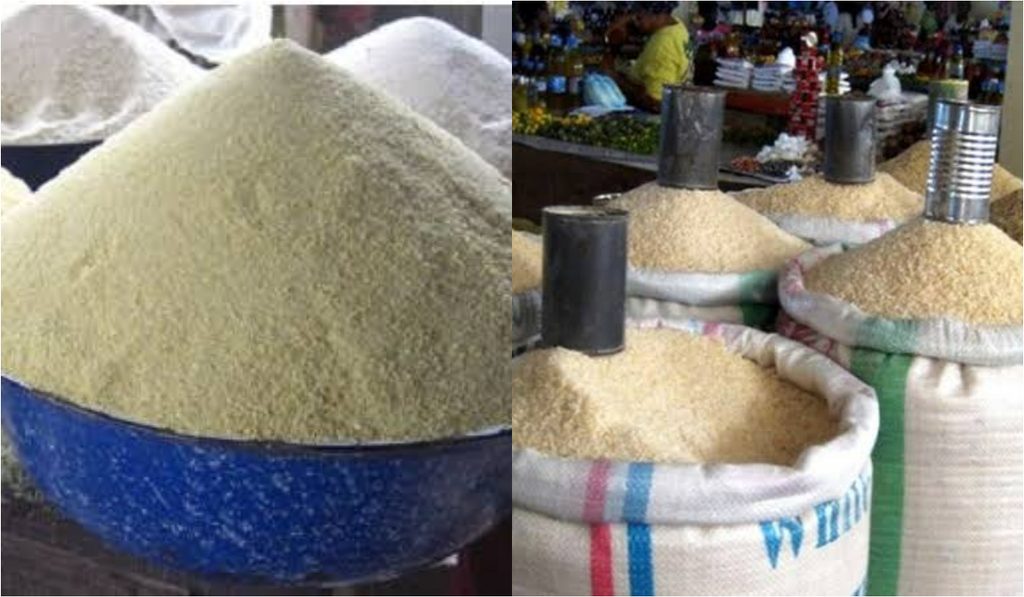
3. Yellow garri. A 50kg bag declined 14.29%, from ₦21,000 to ₦18,000.
4. White garri. The same quantity eased 11.36%, from ₦22,000 to ₦19,500. Garri is one of the most affordable everyday foods for many families, so even small cuts matter.
5. Rice. Royal Stallion short-grain rice dropped 7.55% to ₦49,000, according to the survey.
Pepper, sweet potatoes and beans: relief for the kitchen
6. Pepper. A big bag fell 20% to ₦80,000, while a medium bag slipped 11.11% to ₦40,000. Pepper goes into almost every stew, so buyers should feel this quickly.
7. Sweet potatoes. A bag moved from ₦35,000 to ₦32,000, an 8.57% decline.
8. Beans. A 50kg bag of oloyin beans dropped 8.54%, from ₦82,000 to ₦75,000. Brown beans also eased 4.55% to ₦105,000, which is welcome news for a protein source many households depend on.
Beverages and noodles also got cheaper
Relief reached some packaged goods too.
9. Bournvita. The 450g jar fell 12.87%, from ₦5,050 to ₦4,400. Ovaltine refills also dipped 9.35%.
10. Indomie. A carton of the 120g pack declined 4.24% to ₦15,800. A 5kg pack of Honeywell wheat eased 5.04% to ₦6,220.
READ: Lagos Diesel Bus Ban Takes Hold as Operators Told to Switch to CNG and Electric Buses
Egusi, tomatoes and oil go the other way
The picture is still mixed, though.
Egusi (melon) was the biggest gainer, with a big bag rising 29.73% from ₦370,000 to ₦480,000. That is more than double the ₦220,000 recorded a year earlier.
Oval tomatoes climbed 14.29% to ₦80,000 per big basket, and round tomatoes added 12.5%. A 2.6-litre bottle of Power Oil rose 10.77% to ₦10,800, while local palm oil and vegetable oil also edged up.
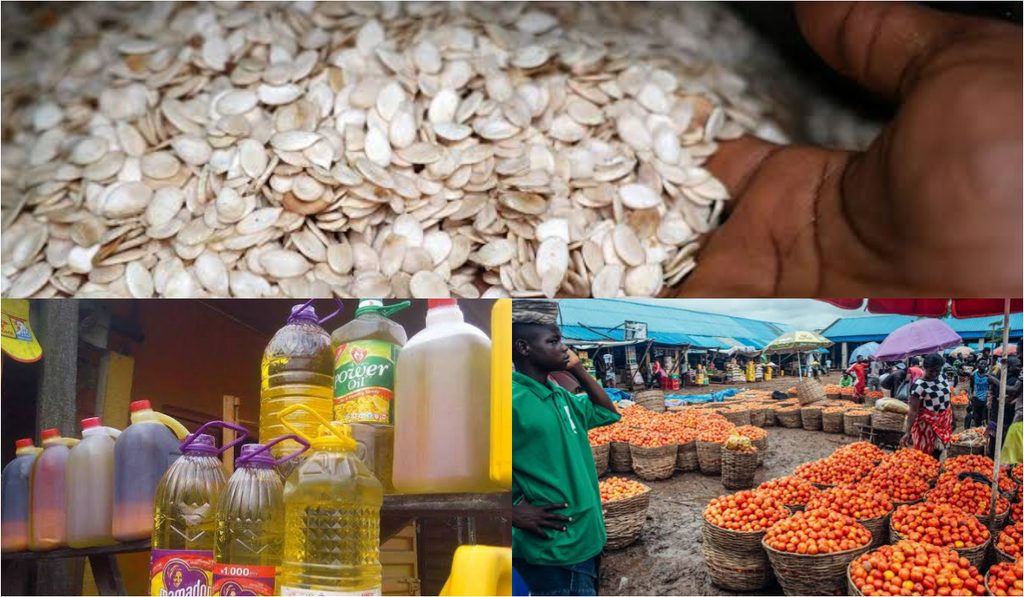
Traders blamed insecurity in some producing areas, supply disruptions and bulk buying by wholesalers who are stocking up ahead of the festive season. One egusi trader at Oyingbo market said the crop is available.
Large buyers are snapping up harvests at source, leaving smaller distributors with less to sell.
What it means for households
The market picture sits against a mixed inflation backdrop. The National Bureau of Statistics (NBS) reported that headline inflation eased slightly to 15.39% in August from 15.43% in July, a third straight month of easing. Food inflation slowed to 19.57%, its first moderation in six months. Farm produce inflation, however, rose to 21.99%.
Lagos is under more pressure. Headline inflation in the state rose to 23.7% in August, with food inflation at 30.9%. Even with prices easing, a Central Bank of Nigeria survey found that 77.2% of households perceived inflation as high in September, up from 67.2% in August.
So the list of food items that have become cheaper in Nigeria is good news, but not a guarantee. Prices vary by market and location, and the figures above come from Lagos.
Shoppers may want to compare markets and buy staples such as garri, maize and beans while prices remain low, since festive-season demand could push costs up again.

About The Author