


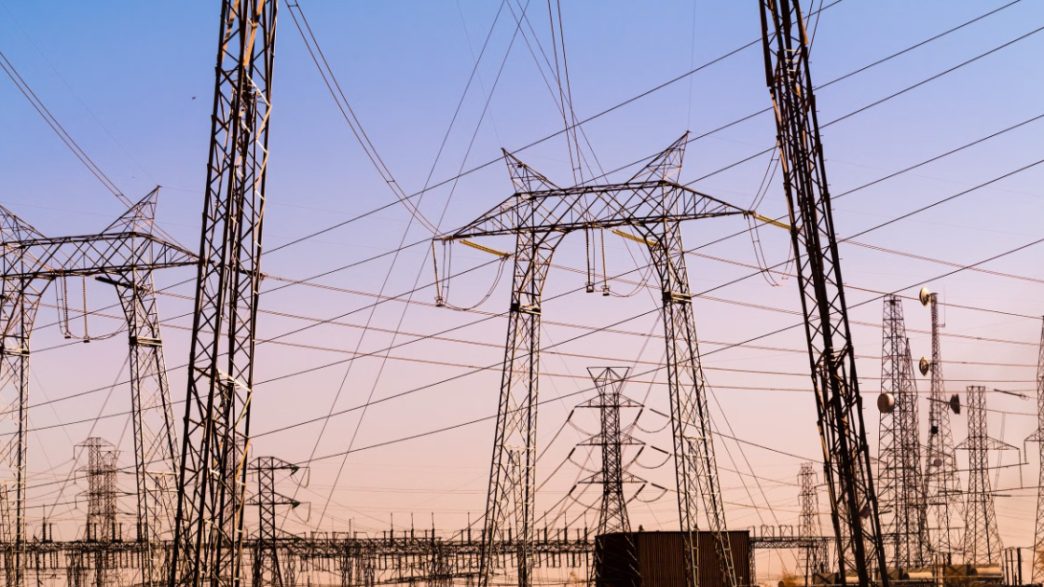
Nigeria is facing worsening Nigeria power shortages after limited gas supplies and reduced water inflows disrupted electricity generation from thermal and hydroelectric stations.
The Nigerian Independent System Operator (NISO) disclosed the constraints on Thursday, November 5, warning that they had reduced electricity allocations to distribution companies and increased load shedding across the country.
The development means more households and businesses may have to endure shorter power supply hours, just as demand for electricity remains high amid hot weather. 
Nigeria power shortages worsen as gas and water supplies decline
NISO explained that inadequate gas supplies had prevented some thermal power stations from operating at their available capacity, while reduced water inflows into reservoirs had weakened output from hydroelectric plants.
The two problems have affected Nigeria’s major sources of grid electricity, leaving less power available for distribution to consumers.
In its statement, the operator said the shortfall had reduced the volume of electricity allocated to Distribution Companies (DisCos), resulting in fewer supply hours and increased load shedding across their networks. It added that the extent of the disruption varies depending on the electricity available and the allocations each DisCo receives.
The impact has already attracted attention beyond the system operator. According to Nigerian NewsDirect, national grid generation stood at just 449.20 megawatts as of 11am on Thursday, November 5, with only four generating companies supplying electricity at the time.
Several major thermal and hydroelectric stations recorded zero output.
The Federal Ministry of Power also attributed recent supply disruptions in Lagos, Abuja, Ogun, Kwara and Oyo to gas constraints, reduced hydropower generation and maintenance issues. It said preliminary assessments did not link the disruptions to a major national grid failure.
SEE ALSO: Ikeja Electric Blames Grid Shortfall For Poor Supply, But Nigeria’s Electricity Problems Run Deeper
Why Nigeria’s electricity supply remains vulnerable
The latest Nigeria power shortages highlight how problems affecting a few critical parts of the electricity value chain can leave millions of consumers struggling for reliable supply.
Nigeria depends heavily on gas-fired thermal stations, with hydroelectric plants providing another major source of grid power. When gas producers cannot supply enough fuel or water inflows into reservoirs decline, generating companies struggle to deliver the electricity the country needs.
The problem is not entirely new. In February 2026, Reuters reported that gas-fired power plants were receiving only about 43 per cent of their required fuel. NISO said thermal stations needed approximately 1,630 million standard cubic feet of gas daily but received just 692 million standard cubic feet as of February 23.
The report linked the shortage partly to mounting debts in the electricity sector, which operators estimated had reached ₦6 trillion at the time. The financial strain has affected payments across the power value chain, including obligations to gas suppliers.
Meanwhile, the Nigerian Electricity Regulatory Commission’s September 2026 operational factsheet showed that grid-connected plants had an average available capacity of 5,038MW, while average hourly generation reached 4,089MW.
The figures illustrate the gap between available capacity and the electricity actually generated.
NISO promises energy diversification as Nigerians turn to alternatives
NISO acknowledged the frustration caused by the latest decline in electricity generation and said it was working towards diversifying the national grid’s energy mix to strengthen security of supply.
The operator also promised to optimise available generation and maintain grid stability despite the operational constraints. However, it did not provide a specific timeline for when electricity supply would improve.
For households and businesses, the immediate response often involves finding alternatives. Solar panels, inverters and petrol or diesel generators have become familiar options for consumers trying to keep lights, fans, refrigerators and business equipment running during outages.
But these alternatives come at a cost. Solar installations and battery systems require significant upfront spending, while generators create recurring fuel and maintenance expenses. Small businesses that depend on refrigeration, water pumping and other electricity-powered equipment also face higher operating costs when grid supply becomes unreliable.
The growing dependence on personal backup systems raises a bigger question about accountability in Nigeria’s electricity sector. Consumers may find ways to keep their homes and businesses running, but private generators and solar panels cannot replace the responsibility of power-sector operators to deliver reliable public electricity.
For now, Nigerians will be watching to see whether NISO’s promised diversification efforts and the government’s intervention can address the supply constraints — or whether households will have to keep budgeting for darkness as part of their monthly expenses.
ALSO READ: Generate Solar Power, Earn Bill Credits? Nigerians Challenge NERC’s New Electricity Rules

About The Author