


If you live in Lagos, you probably know the routine. You settle down to work, plug in your phone, switch on the fan, and then—just as you begin to enjoy life—Ikeja Electric decides to remind you that electricity in Nigeria is still very much a seasonal privilege.
The lights go off. The fan stops. Your laptop begins its countdown to death. Somewhere nearby, a generator starts growling like it has personal beef with the entire neighbourhood. All those I-pass-my-neighbour generators that have seen the rise and fall of regimes and should probably be collecting pension, still forced to work in their old age. Then El Nino joins the party to show you what’s up.
It is an experience everyone can relate to. 
In October 2026, Ikeja Electric blamed reduced electricity supply across its network on a shortfall in the power allocated to it from Nigeria’s national grid. The company said it was engaging relevant stakeholders to improve supply while distributing the electricity it received as efficiently and equitably as possible.
Fair enough. A distribution company cannot deliver electricity it never receives. But that explanation raises another question: why does Nigeria keep struggling to generate and deliver enough electricity in the first place?
The problem goes far beyond Ikeja Electric. From ageing transmission infrastructure and gas shortages to underperforming power plants and faulty distribution equipment, Nigeria’s electricity sector has developed enough problems to fill a book—and still leave room for a sequel.
For Lagosians sweating through another blackout, however, the technical details are secondary. They just want the lights to stay on long enough to charge their phones and finish cooking dinner.
Ikeja Electric and the great electricity disappearance
On October 19, Ikeja Electric informed customers that reduced supply hours across its network resulted from insufficient power allocation from the national grid. The announcement followed another similar explanation on October 5, suggesting that the supply problem had persisted for weeks.
The company promised to engage relevant stakeholders and distribute the available electricity fairly. But for customers experiencing prolonged outages, promises of efficient distribution are unlikely to feel particularly comforting.
The situation also exposed a distinction that often disappears during public arguments about electricity: a shortage of power supplied to a distribution company is not necessarily the same as a fault within its own network.
Ikeja Electric can only distribute the electricity it receives. However, it remains responsible for maintaining its own network and communicating honestly about faults within its control.
And there is evidence that some disruptions have involved precisely those local problems.
On October 27, Ikeja Electric apologised to some Band A customers after failing to meet the minimum 20-hour daily supply target on affected feeders on October 25 and 26. The company cited issues including grid instability, network faults, transformer limitations and panel-swapping work. Some feeders recorded zero hours of supply on both days.
So, while low grid allocation explains part of the problem, it does not automatically explain every blackout. Sometimes the electricity is scarce before it reaches Ikeja Electric. Sometimes the distribution network has problems of its own.
Either way, customers get the same darkness.
ALSO READ: Generate Solar Power, Earn Bill Credits? Nigerians Challenge NERC’s New Electricity Rules
Why Ikeja Electric cannot fix Nigeria’s electricity crisis alone
Nigeria’s electricity system operates through three main stages: generation, transmission and distribution.
Generating companies, or GenCos, produce electricity. The Transmission Company of Nigeria (TCN) manages the physical transmission infrastructure, including lines and substations, while the Nigerian Independent System Operator (NISO) handles grid operations and electricity dispatch. Distribution companies such as Ikeja Electric then deliver available power to consumers.
Every stage depends on the others.
A generating company can produce electricity, but that power must travel through the transmission network before reaching a distribution company. The distribution company must then deliver it through its own feeders, transformers and substations.
If a power plant cannot generate enough electricity, the grid has less power to distribute. If a transmission line fails, the system may struggle to move available electricity where it is needed. If a local transformer develops a fault, customers can remain without power even when electricity is available elsewhere.
It is a chain, and Nigeria has spent years discovering that a chain is only as reliable as its weakest links.
This is why blaming Ikeja Electric for every outage misses the bigger picture. But treating the company as entirely blameless would also be a mistake. The real question is which part of the chain failed during each disruption—and who is responsible for fixing it.
Nigeria’s ageing national grid is still causing trouble
If only Nigeria had a dollar for every time the national grid collapsed, then… we probably wouldn’t be richer, because that would just another line of funds for our dear politicians to… keep safe. But of course we don’t, because Nigeria’s transmission infrastructure has struggled with ageing equipment, repeated faults and insufficient investment.
Former Minister of Power Adebayo Adelabu acknowledged in 2024 that the country’s grid infrastructure was old, citing weaknesses in transmission lines, towers, substations and transformers. He argued that the system required substantial investment and a comprehensive overhaul.
The problem is not that engineers never repair anything. It is that fixing individual faults cannot permanently solve structural weaknesses across an entire network.
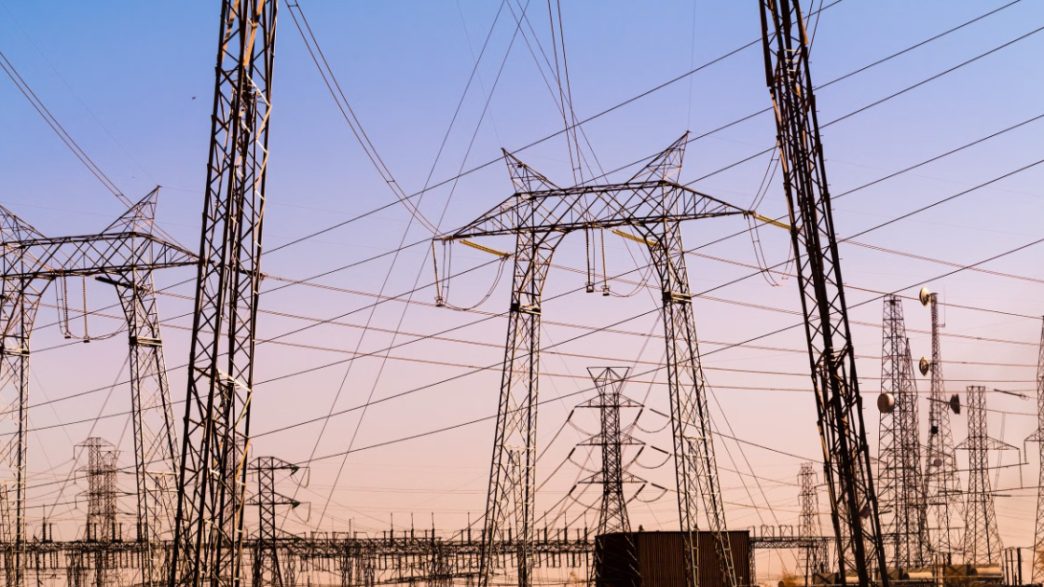
On October 19, NISO reported multiple trippings on the 330-kilovolt transmission network. The operator said it addressed the incident, but the disruption highlighted the vulnerability of infrastructure responsible for transporting electricity across the country.
When transmission equipment fails, operators may have to reroute power or restrict the amount moving through affected sections. Depending on the circumstances, distribution companies can receive less electricity, leaving customers with shorter supply hours.
A lasting solution requires more than emergency repairs. Nigeria needs sustained investment in transmission lines, substations and transformers, alongside better maintenance and monitoring.
Otherwise, the country risks continuing the same routine: a fault occurs, engineers respond, supply returns, and everyone waits for the next announcement.
Why Nigeria’s national grid keeps collapsing
Nigeria’s repeated grid disturbances have made the national grid another unwelcome character in the country’s electricity drama. But not every blackout means the entire grid has collapsed.
A full grid collapse occurs when the electricity system loses stability and a widespread shutdown follows. Reduced power allocation, by contrast, can happen while the grid remains operational.
According to the Nigerian Electricity Regulatory Commission (NERC), the grid must maintain voltage and frequency within acceptable limits. When electricity demand exceeds supply, frequency can fall. If the imbalance becomes severe, protective systems may disconnect generating units, potentially triggering further shutdowns and a wider collapse.
NERC recorded a full national grid collapse on September 10, 2025, with restoration completed at 11:48 a.m., following the 11:20 a.m. collapse.
The distinction matters because the remedies differ. A system-wide collapse requires operators to restore grid stability and reconnect generation and supply. A local feeder fault may require repairs to specific equipment.
For Ikeja Electric customers, either situation can mean an unwelcome interruption. But understanding the cause is essential if the authorities want to stop treating recurring outages as isolated incidents.
SEE ALSO: NiMet Warns Nigerians of Heat, as Dry Season Approaches
The gas shortage making Ikeja electric’s job harder
Nigeria has substantial natural gas resources, yet gas supply remains a major obstacle to electricity generation.
Many grid-connected power plants rely on gas to produce electricity. When they cannot obtain sufficient fuel, they must reduce generation or stop operating, leaving less electricity available for distribution.
In February 2026, Reuters reported that gas deliveries to Nigerian power plants had fallen to around 43% of required volumes. NISO data cited in the report showed that thermal power stations needed approximately 1,630 million standard cubic feet of gas daily but received only 692 million cubic feet as of February 23. Generation consequently fell to around 4,300 megawatts.
The financial problems behind the shortage are also significant. Operators have pointed to mounting debts across the electricity sector, which undermine the ability of power generators and gas suppliers to sustain operations.
The consequences travel down the chain. Less gas means less electricity from affected plants. Less generation leaves NISO with less power to allocate. Lower allocations then constrain distribution companies, including Ikeja Electric.
Nigeria can have enormous gas reserves and still struggle to keep the lights on. Natural resources are useful, but they do not generate electricity simply because they exist underground.
More power plants won’t solve everything
Building more power plants sounds like an obvious solution. Nigeria certainly needs reliable generation, but additional plants cannot fix every weakness in the electricity system.
NERC’s 2024 annual report identified several challenges affecting generation, including ageing power plants, poor maintenance, liquidity problems and unreliable gas supplies. It also noted that financial constraints prevent some generating companies from maintaining equipment and restoring previously unavailable capacity.
Even when plants generate more electricity, the transmission network must be capable of moving it, and distribution companies must have the infrastructure to deliver it.
Imagine adding more cars to a road that narrows into a damaged single lane. More vehicles at the entrance will not solve the bottleneck. They will simply create more congestion.
The electricity equivalent is straightforward: Nigeria needs more dependable generation, stronger transmission infrastructure and better distribution networks working together.
Ikeja Electric cannot repair the entire national grid, just as the national grid cannot fix every faulty transformer in a Lagos neighbourhood. Each part of the sector needs to address the problems within its control.
What needs to change for Ikeja electric customers?
First, Nigeria must address the financial problems affecting power generation and gas supply. Suppliers need reliable payment arrangements, while generating companies need sufficient revenue to maintain their equipment and improve output.
Second, the government and relevant operators must invest consistently in transmission infrastructure. Ageing lines, substations and transformers need more than temporary fixes.
Third, distribution companies must maintain local networks, repair faults promptly and provide clear explanations when customers lose supply. When companies fail to meet applicable service commitments, customers should receive transparent information and any remedies provided under the relevant regulations.
Finally, grid operators must improve monitoring and respond quickly to disturbances before they escalate.
None of these changes will deliver uninterrupted electricity overnight. But without coordinated improvements, Nigeria will continue spending money on emergency responses while the underlying problems remain.
Ikeja Electric: Nigerians need more than another explanation
Ikeja Electric may be right that inadequate power allocation from the national grid has reduced supply across its network. Yet that explanation also exposes the larger problem: Nigeria still struggles to generate, transmit and distribute electricity reliably.
The causes include gas shortages, ageing infrastructure, financial difficulties and faults within distribution networks. No single company can solve all of them, but every operator must be accountable for the part it controls.
For households, unreliable electricity means spending more on generators, petrol and alternative power. For businesses, it means higher operating costs, disrupted work and less certainty about daily operations.
Nigerians have heard explanations for years. What they need now is consistent improvement—not another notice asking them to be patient while their frozen food begins negotiating its own exit strategy.
Until Nigeria fixes the electricity supply chain from generation to distribution, Ikeja Electric customers will remain caught between insufficient power from the grid and faults closer to home.
And while officials debate megawatts, infrastructure and transmission capacity, Lagosians will keep asking the most practical question of all: When exactly is the light coming back?
READ ALSO: El Nino in Nigeria Could Cause Up to 31,400 Deaths: How to Prepare for This Heat Wave

About The Author