


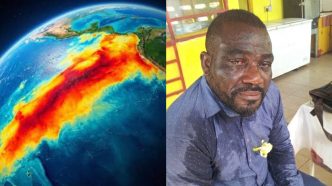
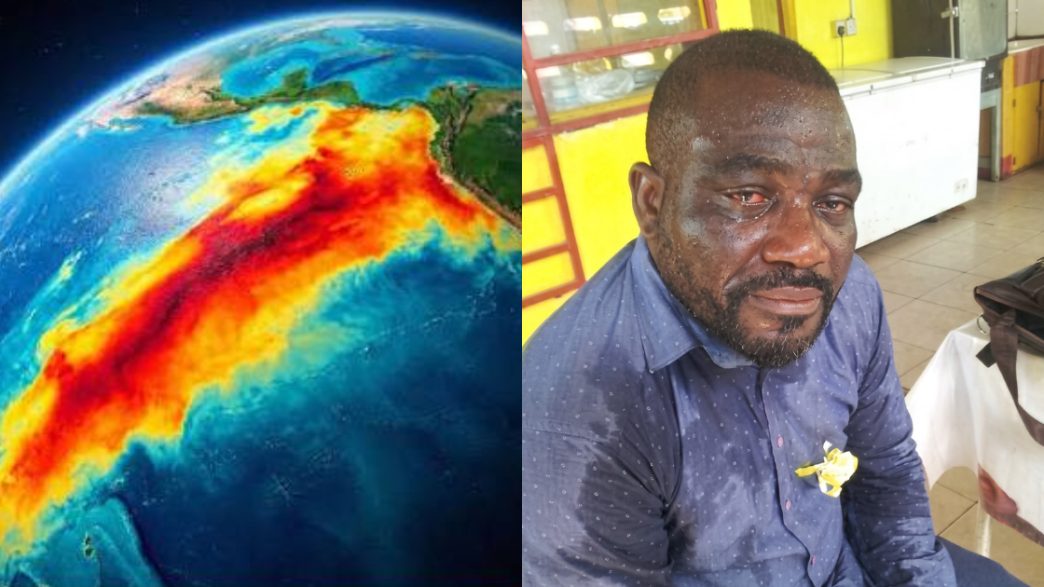
Nigerians have survived fuel queues, light bills, fake debit alerts and landlords who rediscover “inflation” every January. Now add a Pacific Ocean heat spike to the list. El Nino in Nigeria is no longer a nerdy phrase on a meteorologist’s slide.
Researchers at the University of Chicago’s Climate Impact Lab project up to 31,400 extra heat-related deaths in Nigeria between September 2026 and February 2027, the highest projected toll of any country on earth. So not only is the economy trying to suffocate you; even the air doesn’t want you to breathe.
Now, before you start drafting your will on WhatsApp status, wait. That figure is a projection, not a prophecy, and the same research says the worst can be softened. But “it’s happening far away, it won’t reach us” is not a plan either, because the ocean has not read our prayer points. 
Here is what’s going on, why we’re in the firing line, and what to do about it.
What is El Nino, and who named it?
El Nino is not a storm, a hurricane or a curse from the Atlantic. It is also not a Mexican gangster living in Surulere.
El Nino is a natural climate pattern in the Pacific that rolls around every two to seven years. Normally, trade winds along the equator push warm surface water westward. During El Nino, those winds weaken and the warm water drifts back east toward South America. Warmer ocean, warmer air, and weather that stops following its own script from Peru to the Sahel.
The name is far sweeter than the behaviour. Centuries ago, fishermen on the coast of Peru noticed a warm current turning up around Christmas and called it El Nino, Spanish for “the child,” a nod to the Christ child. Scientists later borrowed the name for the stronger, more erratic versions of the warming, and in 1969 UCLA’s Jacob Bjerknes explained the ocean-atmosphere mechanics behind it.
So a festive nickname from fishermen became a global heat headline. Cute name, terrible personality.

ALSO READ: The Nigerian Emergency Folder Every Household Should Have
Why is this one called a “Super” El Nino?
“Super” is not a word invented by Instagram weather pages. NOAA’s Climate Prediction Center said in its 10 September update that El Nino is strengthening, with a better-than-90-percent chance of a very strong event this northern-hemisphere fall and winter. It also gave a 75% chance of a historic one in October–December, stronger than anything recorded since 1950.
Mid-October data from Columbia University’s IRI showed the weekly Nino 3.4 index at +3.3°C. All 27 models in its ensemble forecast a very strong event running into early 2027.
Closer home, NiMet’s 13 August seasonal update confirmed the onset of a strong El Nino and said it would dominate global climate patterns through October.
For context, the African Union notes that the 2023–24 El Nino was the weaker one, and NOAA reports that 2024 still ranked as the warmest year on record. The Climate Impact Lab report calls the current temperatures a “postcard from the future.” Charming. Nobody asked for the postcard.
El Nino in Nigeria: Where does the 31,400 figure come from?
Here is the part that has people sharing screenshots. The Climate Impact Lab team combined the European Centre for Medium-Range Weather Forecasts’ seasonal forecast with peer-reviewed research on how temperature affects death rates across 24,378 regions worldwide. They then compared the results with the average for the same months from 1996 to 2025.
Globally, they estimate about 451,000 additional heat deaths between now and February 2027. Four Sahel countries face the worst of it, with roughly 66,800 extra deaths projected: Nigeria (31,400), Sudan (17,500), Niger (10,000) and Chad (8,000).
That makes Nigeria the country most likely to record the world’s highest heat mortality during this event.
Two caveats before the panic starts. These are extra deaths compared with a normal year, not a countdown clock. And El Nino doesn’t kill anyone directly. Heat does, especially heat meeting poor preparation. That second part is the one we can actually do something about.
El Nino in Nigeria: Why is Nigeria taking the biggest hit?
Partly, it’s arithmetic. Nigeria has about 237.5 million people, so even a modest increase in risk produces a big number. But the researchers also point to something less flattering, which is how little cushion most households have.
More than 60% of Nigerians were estimated to live below the national poverty line in 2025, and even homes with electricity face power cuts. Their related research found that when temperatures spike, people in low-income countries have almost no extra electricity to spare. The extra power used per person would run one LED bulb for four months, which is nowhere near enough for an air conditioner. Poorer regions generally see more heat deaths than richer ones facing the same temperatures.
Meanwhile, the Sahel is expected to see some of the biggest temperature anomalies on the planet over the next six months. NiMet’s 2026 seasonal outlook had already warned of warmer temperatures and prolonged dry spells.
That forecast was built on a neutral ocean-climate phase, and the ocean clearly had other plans.
READ ALSO: Sniper Beans to Detergent Eggs: Inside Nigeria’s Alarming Food Adulteration Claims
El Nino in Nigeria: Who is most at risk?
The study didn’t break down victims, but existing research is consistent. Adults over 65, children under five and people with chronic health conditions are most vulnerable. So are people who work outdoors, such as farmers, traders, okada riders, bricklayers and anyone who spends the day under a sun that has stopped being polite.
Hospitals will also feel it. Researchers expect Sahel governments to see more sunstroke and heatstroke cases in public hospitals and advise hiring extra staff and stocking supplies early.
El Nino in Nigeria: How governments should prepare
The proven, boring-but-effective list from the Climate Impact Lab’s Adaptation Inventory looks like this:
- Early heat warnings paired with heat action plans.
- Health outreach targeted at the elderly and other vulnerable groups.
- Cooling centres and hydration stations in high-risk areas.
- Protection for outdoor workers during peak-heat hours.
- Emergency funds set aside before the crisis, not after it.
Warnings are the easy part. The tricky bit is what happens after someone says “heat alert” on television. Federal, state and local governments each have a role here, and the window is shrinking, because the peak is expected from now through early 2027.
How to prepare for El Nino in Nigeria yourself
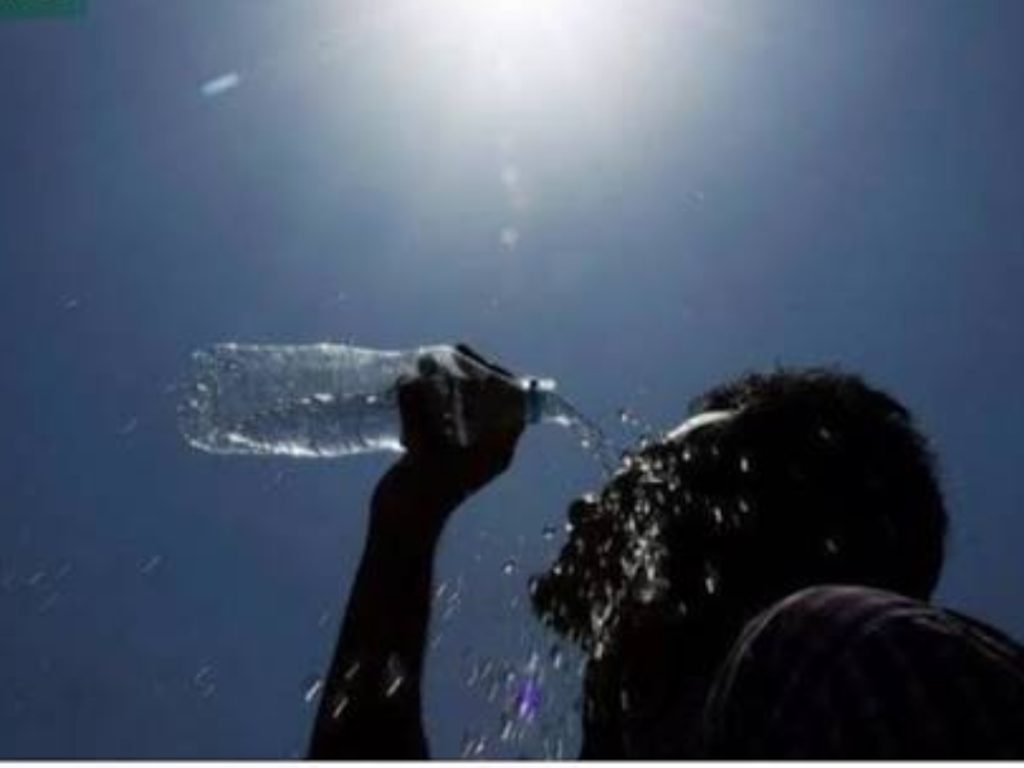
You can’t switch off an ocean, but you can stack the odds in your favour. This is general guidance, not medical advice, so see a doctor if you have a chronic condition.
- Drink water before you feel thirsty. Oral rehydration salts are cheap and worth keeping at home, especially for children and older relatives.
- Move your schedule. Do errands and hard physical work early in the morning or late in the afternoon, and avoid the midday hours.
- Dress like the weather is your enemy. Light, loose, light-coloured clothing beats your best jacket.
- Cool the room. Open windows for cross-ventilation, use a damp cloth on the neck and wrists, and stay on lower floors and in shade where possible.
- Check on people. Visit elderly neighbours and relatives, and keep babies out of stuffy rooms.
- Never leave a child in a parked car. Not even “just for a minute.”
- Know the danger signs. Confusion, fainting, very hot skin, a racing pulse or a sudden stop in sweating is an emergency. Get medical help immediately.
- Follow NiMet. Check the agency’s seasonal updates for planting, travel and health planning, especially if you farm.
Employers, please note that giving outdoor staff shade, water and breaks is not “being soft.” It’s cheaper than a funeral.
El Nino in Nigeria: The final verdict
El Nino in Nigeria is not a reason to run for the hills, mostly because the hills are also warm. It’s a reason to treat heat like the serious health threat it is, and to expect better of the people whose job is to prepare for it. The forecast is loud, the science is consistent, and the interventions are known.
Whether we use the warning time or save our energy for the post-disaster press conference is a question only we can answer.
But hey! This is Nigeria!
SEE ALSO: What to Do During Heat Waves: Practical Tips to Stay Safe

About The Author