


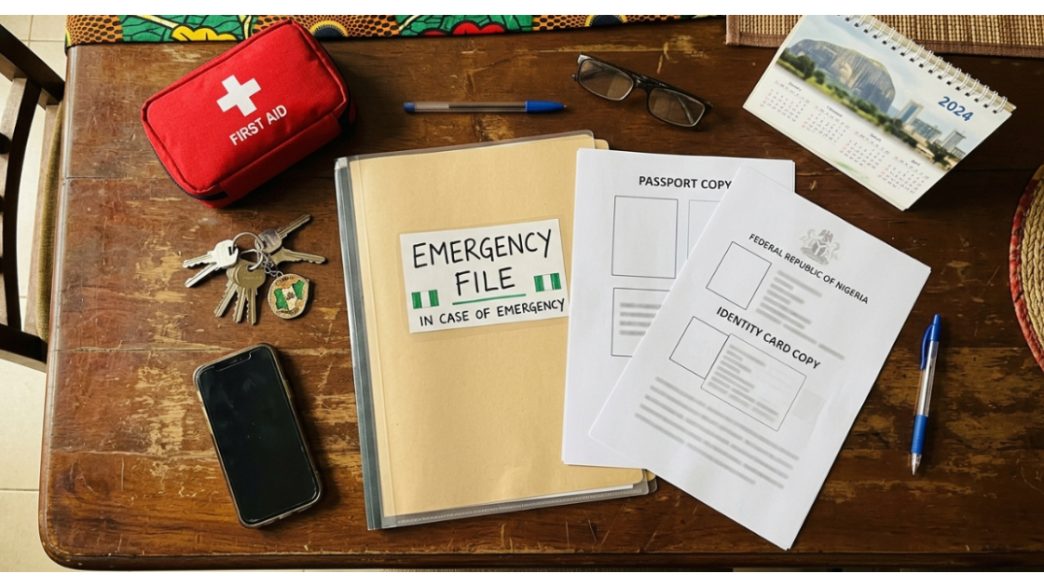
An emergency can turn information into a delay. A missing NIN slip, unknown medication or forgotten next-of-kin number can slow a family down. A Nigerian emergency folder keeps essential records together and easy to find.
Start with identity and civil records
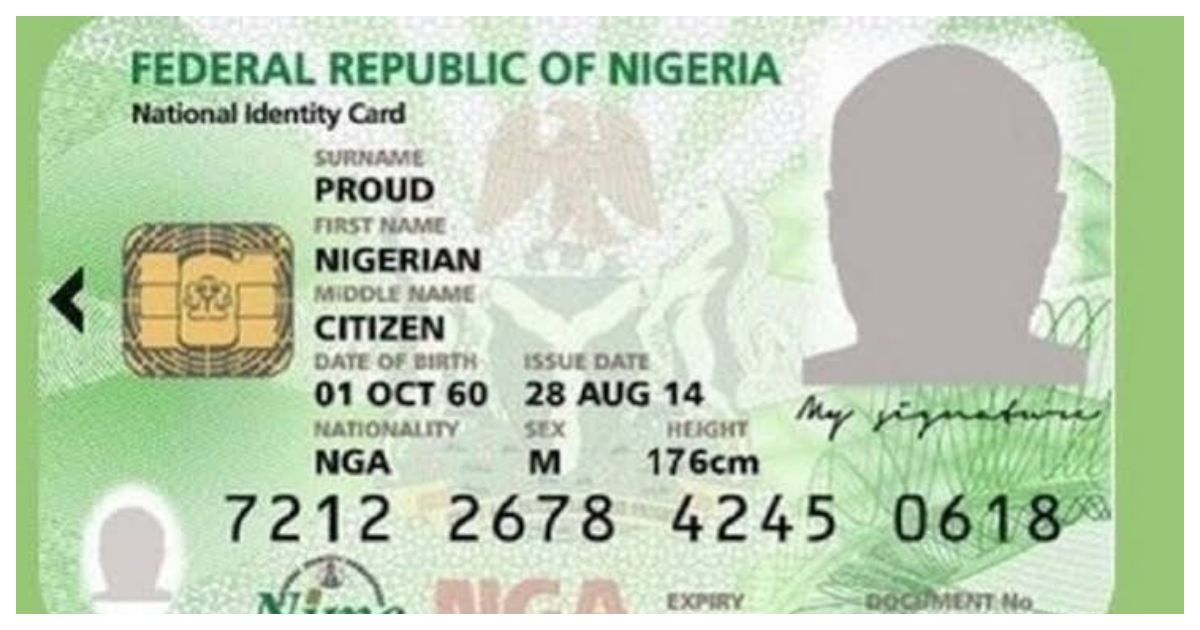
For each household member, keep copies of the NIN slip, birth certificate, passport biodata page, driver’s licence and voter card in your emergency folder. Add marriage, custody, adoption or guardianship documents when relevant.
Keep originals in a secure waterproof or fire-resistant place, separate from the folder. NIMC advises people to guard their NIN and avoid sharing it publicly. 
Add medical and emergency information
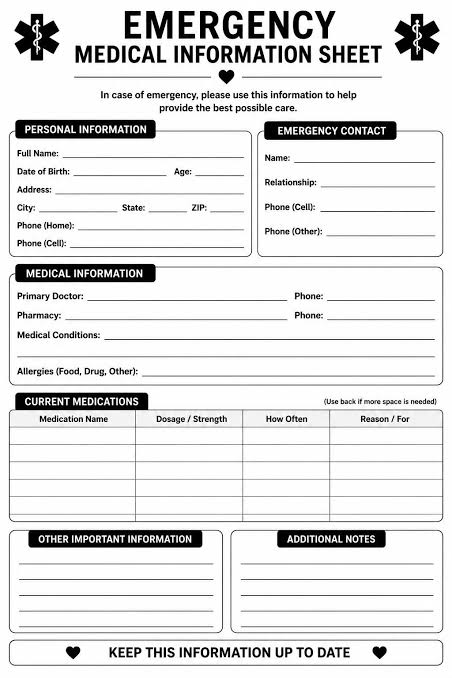
Prepare a medical summary for each person. Include the name, date of birth, allergies, verified blood group, current medicines and doses, existing conditions, doctor’s number, hospital and NHIA or HMO details. Add next-of-kin contacts.
Write 112 for national emergencies, 767 for Lagos emergencies and 122 for road crashes. Confirm contacts periodically.
Record money and household obligations

In your Nigerian emergency folder there should be a list of banks, insurance policies, pension information, employer contacts, rent or tenancy records, property papers and utility account numbers. Record where keys, wills and business documents are kept.
Never place ATM PINs, one-time passwords or banking passwords in the folder. Keep them elsewhere.
Create a secure digital backup
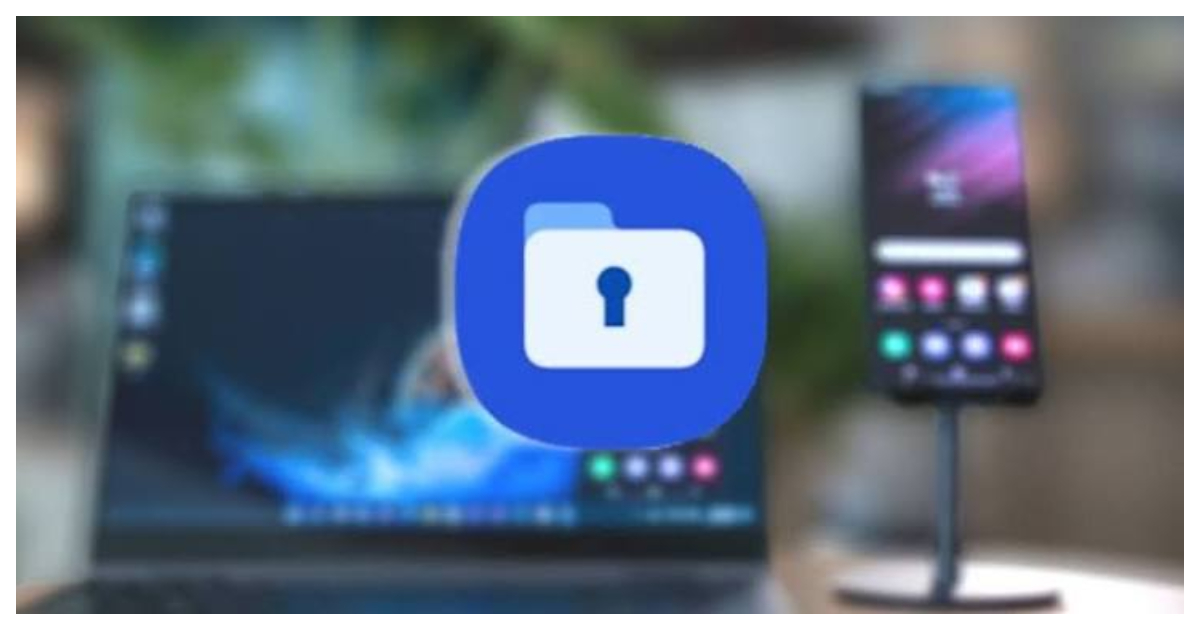
Scan the documents as labelled PDFs. Keep an encrypted copy on a password-protected drive and another in a secure cloud account. Tell one responsible adult how to locate the files.
Do not send sensitive records through group chats or leave them in an unsecured phone gallery.
Review it twice a year
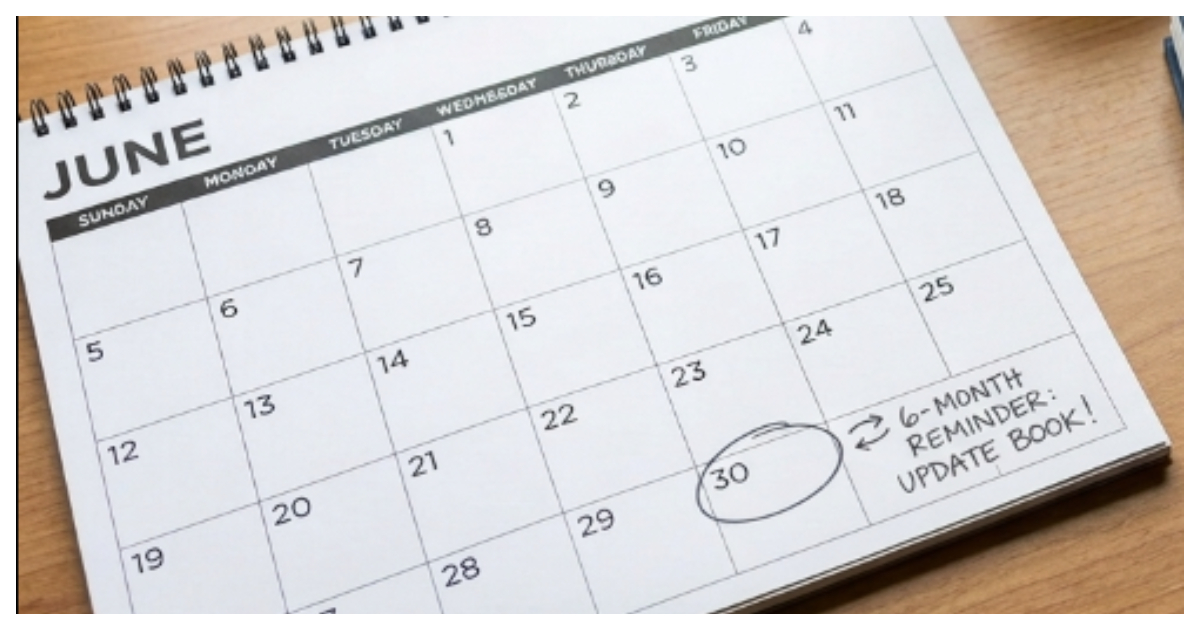
Set a six-month reminder. Update the folder after a birth, death, marriage, move, new diagnosis, phone-number change, passport renewal or change of next of kin.
A folder only helps when its information is current, readable and available to the right person.
READ ALSO: The October Reset: 7 Simple Habits to Help Nigerians Finish 2026 Strong

About The Author