
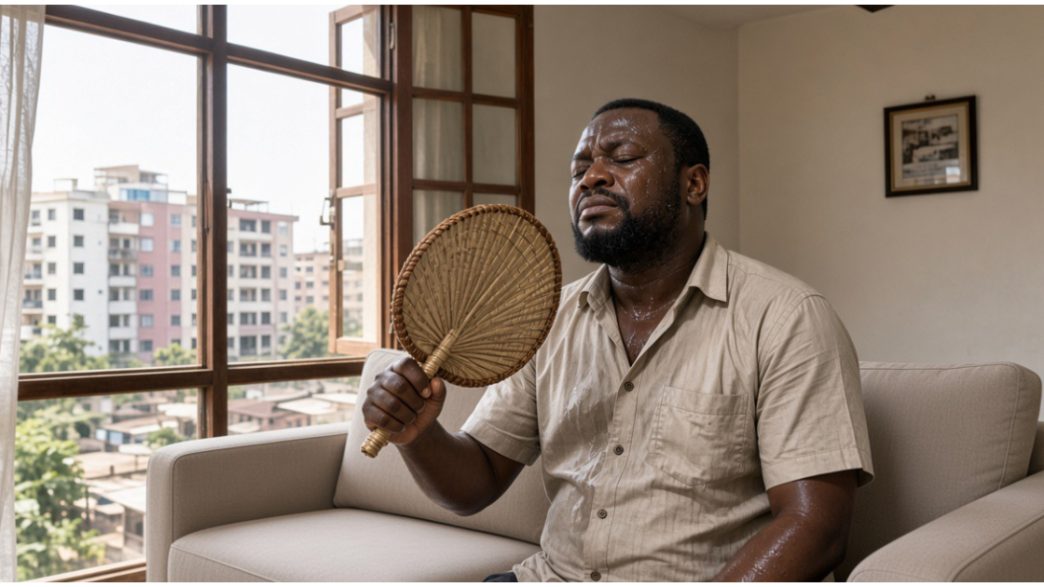
Heat waves are becoming more frequent and intense in many places. Right now in Nigeria, parts of the country are experiencing higher temperatures and heat stress conditions.
With the sharp national grid collapse that dropped power generation from over 3,800 MW to under 500 MW on Monday, October 19, the discomfort is worse for many.
When temperatures stay high for days, especially with high humidity, the body struggles to cool itself. With this, the risk of dehydration, heat exhaustion, and heat stroke is higher. 
Here’s clear, evidence-based advice drawn from the World Health Organization (WHO), Centers for Disease Control and Prevention (CDC), American Red Cross, and practical guidance for hot tropical climates with unreliable electricity.
SEE ALSO: What Makes an Outfit Lagos-Ready? How Nigerian Fashion Is Adapting to Heat, Traffic and Long Days

1. Drink Water Regularly to Stay Hydrated During Heat Waves
Drink water regularly, even if you don’t feel thirsty.
- Get frequent small sips of water throughout the day. The Red Cross recommends roughly a cup of water every 20 minutes in extreme heat.
- Check your urine colour: pale yellow is good; dark yellow means drink more.
- Avoid or limit alcohol, sugary soft drinks, and excess caffeine because they can worsen dehydration.
- Take water-rich foods such as watermelon, cucumber, oranges, and pineapple.
2. Keep Your Body and Home Cool
To regulate your body temperature, you have to keep your body cool.
- Take cold baths.
- Wet a cloth or spray bottle and apply it to your neck, wrists, underarms, and forehead.
- Wear light-coloured, loose-fitting clothing made from breathable fabrics like cotton or linen because dark or tight clothes trap heat.
To keep your space cool:
- Close your curtains or blinds during the hottest part of the day to block sunlight.
- Open windows early in the morning and late at night when outside air is cooler for cross-ventilation.
- Limit the use of the stove or oven, which adds heat indoors.
- Invest in rechargeable hand fans and standing fans.

3. Limit Outdoor Exposure During Heat Waves
- Avoid outdoor activity between roughly 11 a.m. and 4 p.m. when the sun is at its highest.
- If you must go out, stay in the shade, wear a wide-brimmed hat and sunglasses, and apply sunscreen.
- Schedule outdoor work or exercise for early morning or evening.
- Never leave children, elderly people, or pets in a parked vehicle because temperatures inside a car can rise dangerously fast.
4. Recognise Heat-Related Illness Early
Heat exhaustion: According to the CDC, symptoms of heat exhaustion at the warning stage include Heavy sweating, weakness, dizziness, headache, nausea, cool/clammy skin, rapid pulse, and muscle cramps.
When two or more of these symptoms are noticed, move to a cooler place, loosen clothing, sip water or a sports drink, and rest. Cool the person with wet clothes. You should seek medical help if symptoms don’t improve within an hour.
Heat stroke: According to the CDC, symptoms of heat stroke (an emergency) include High body temperature, confusion, hot/dry or very sweaty skin, rapid heartbeat, headache, dizziness, fainting, nausea, or seizures.
With these symptoms, one must call emergency services immediately. While waiting, move the person to a cool place, remove excess clothing, and cool them rapidly with wet cloths, cool water, or ice packs. Do not give fluids if they are unconscious or vomiting.
5. Check on Others and Prepare
During heat waves, vulnerable people like older adults, young children, pregnant women, people with heart/ lung/kidney conditions, those on certain medications, and outdoor workers are at higher risk and need extra attention. Regularly check on them, keep packs of water by your side, and make them stay in cooler places.
SEE ALSO: Can Borehole Water Cause Stomach Ulcers? What Science Says About Aproko Doctor’s Warning

About The Author