


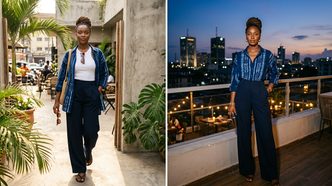
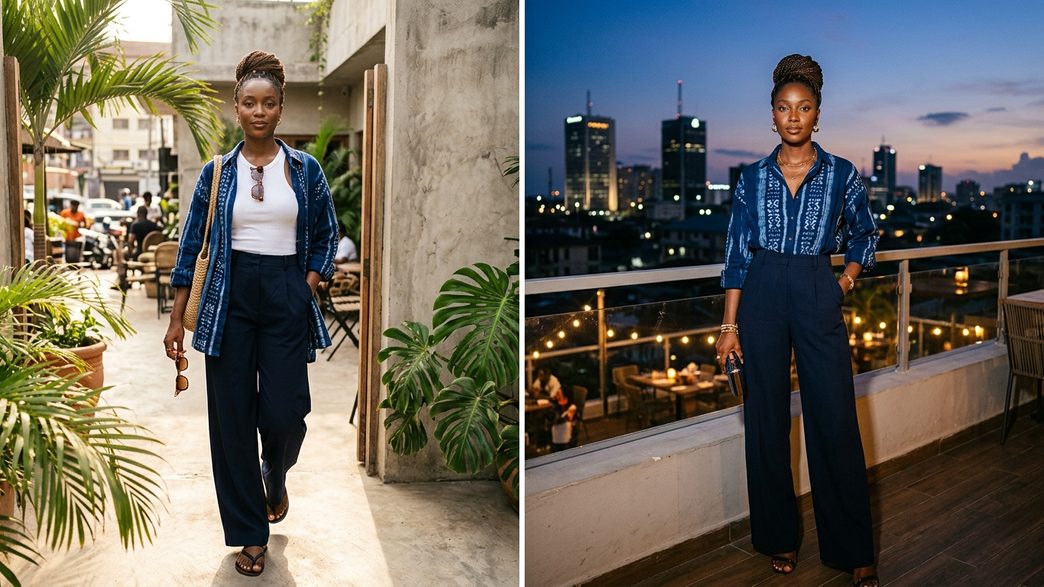
In a city where a commute can stretch into a full day, Nigerian designers are treating breathability, movement and adaptability as part of the design and not compromises. Are fashion outfits actually Lagos ready?
Lagos is a merciless fitting room. A garment may look immaculate beneath the cool lights of a boutique, but the city tests it differently: at a bus stop, inside a car during a forty-minute traffic jam, on a pavement crossed in a hurry and beneath a sun that turns a short errand into an endurance test. By night, the question is not whether the outfit looked beautiful at 8 a.m. The real question is whether it still feels like a good decision.
That is the real meaning of “Lagos-ready fashion”. The phrase does not simply describe a bright print, a familiar label or an outfit that photographs well. It describes a design test. The fabric must release heat. The cut must accommodate a long walk, a crowded seat and a sudden change of plan. One piece should move from work to dinner without looking as though it has spent the day fighting the city. 
To dress well in Lagos, you do not need to lower your ambition. You need to build polish around ease.
The fabric makes the first decision
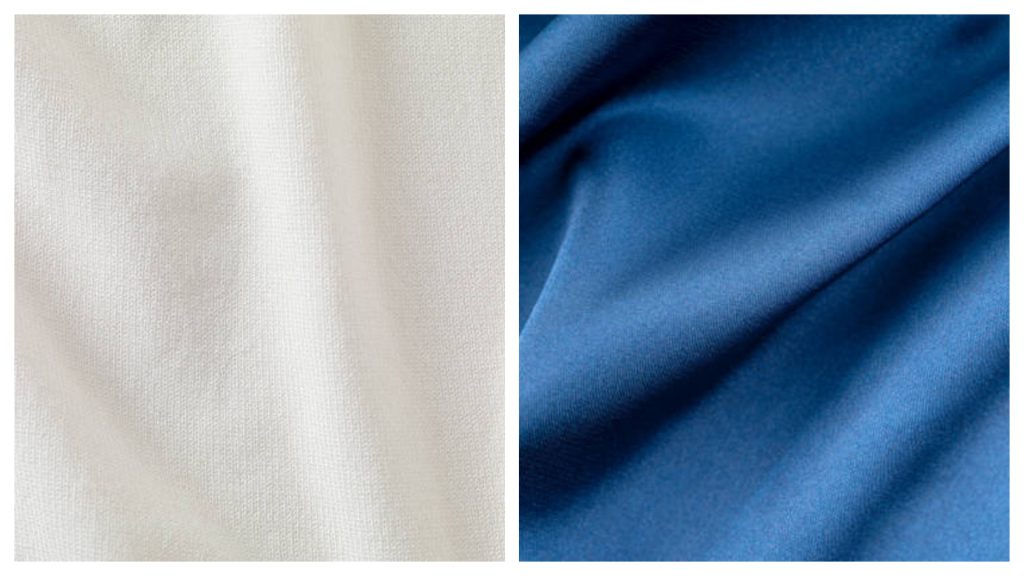
In hot weather, fabric is not a minor styling detail. It determines how much air reaches the body, how quickly sweat becomes uncomfortable and whether an outfit remains presentable after hours outside. Yet “natural” does not guarantee comfort. Thick cotton can feel stifling, badly finished linen can irritate the skin and a heavy wax print can carry more visual drama than the climate can tolerate.
Look beyond the fibre. Examine the weave, weight, lining and amount of fabric. An airy weave lets air circulate, while minimal lining reduces the layers that trap heat. A thoughtful cut also gives the body room instead of pressing every surface against the skin.
That logic shapes Abiola Olusola’s approach. During a 2020 Vogue interview, the designer said she tried to reduce her use of polyester and worked mainly with cotton and linen because many of her customers lived in Nigeria and needed breathable clothing. Her comment makes the customer’s climate part of the brief from the start, rather than a detail a label considers after it finishes a collection.
Lisa Folawiyo uses a wider textile vocabulary to solve a similar problem. In the same Vogue interview, she described working with lighter versions of Ankara, adire and Batkara, alongside silk, chiffon and organza. Those choices keep colour, texture and Nigerian references in the look without making every outfit feel physically heavy.
Heat-responsive fashion does not have to look muted, plain or anonymous. It can remain expressive while respecting the body’s demands.
SEE ALSO: Luxury Fashion Pieces Inspired by African Traditional Designs and Patterns
Ease is a silhouette, not an apology
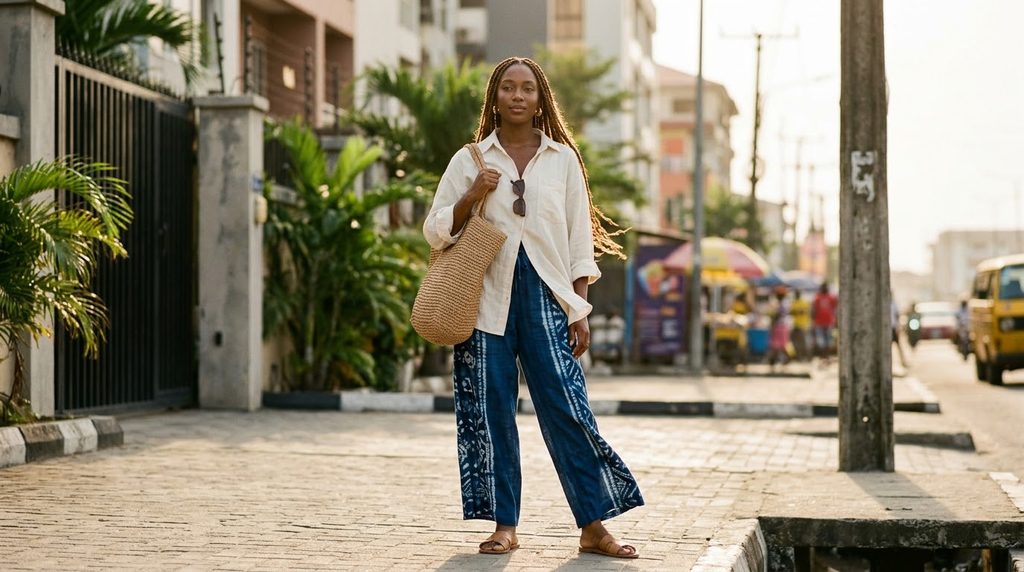
The second test involves movement. Lagos demands motion even when traffic stands still. People walk between buildings, squeeze into vehicles, climb stairs, carry bags, navigate uneven pavements and move through spaces that do not accommodate a perfectly still model in a showroom.
Clothing for that environment needs more than a generous fit. Designers must consider the sleeve that allows the arm to move, the trouser that permits a full stride, the waistband that stays comfortable for hours and the panel or pleat that creates space without swallowing the body.
Adeju Thompson of Lagos Space Programme offers one of the clearest examples. His wide Yoruba trousers use panels that give the wearer more room to move. Rather than treating a familiar cultural form as fixed, Thompson reworks it around the physical demands of contemporary life.
People often dismiss loose clothing as informal or shapeless. The best relaxed silhouettes prove otherwise. They create ventilation, respond to the body in motion and make room for sitting, walking and reaching. A fluid garment can show as much discipline as a sharply tailored one.
Adebayo Oke-Lawal’s Orange Culture tackles the same question from another direction. The label works with homegrown cottons and linens and builds many looks from lighter fabrics and gender-fluid shapes. In the Vogue interview, Oke-Lawal said clients liked the lightness because it worked in the heat. Comfort does not soften the label’s identity; it sharpens it.
That approach challenges the old idea that looking important requires looking uncomfortable. In Lagos, a garment that restricts movement may look beautiful and still fail the life it enters.
Local does not have to mean ceremonial
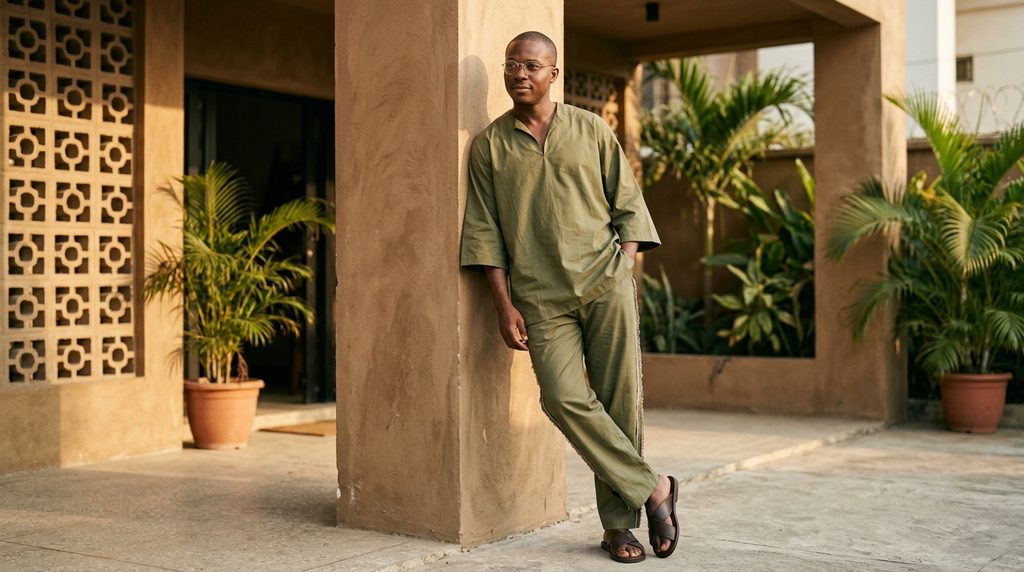
Nigerian fashion is loosening the boundary between cultural textile and everyday clothing. Adire, Ankara, Batkara and Aso-Oke carry histories and visual codes, but people do not have to reserve them for weddings, festivals or formal entrances.
In a 2026 analysis of Lagos fashion, the author drew on interviews with 18 designers and described the city’s style as a meeting point between local materials and global forms. For womenswear, designers often place Nigerian or culturally absorbed fabrics inside silhouettes with international appeal. For menswear, they frequently reverse the pattern and cut contemporary fabrics into recognisably Nigerian shapes such as the buba, sokoto or agbada.
That exchange makes cultural identity wearable rather than ceremonial. A designer can bring a local textile into a shirt, a relaxed trouser, a light overshirt or a dress for repeated use. The garment does not need to announce its heritage loudly to carry it.
No textile name guarantees comfort. An Aso-Oke garment may feel heavy, while a familiar Ankara print may still trap heat if the maker adds too much lining. Ask about weight, finish, lining and cut. Good design respects a textile’s history while remaining honest about how it feels on the body.
The outfit needs a second life
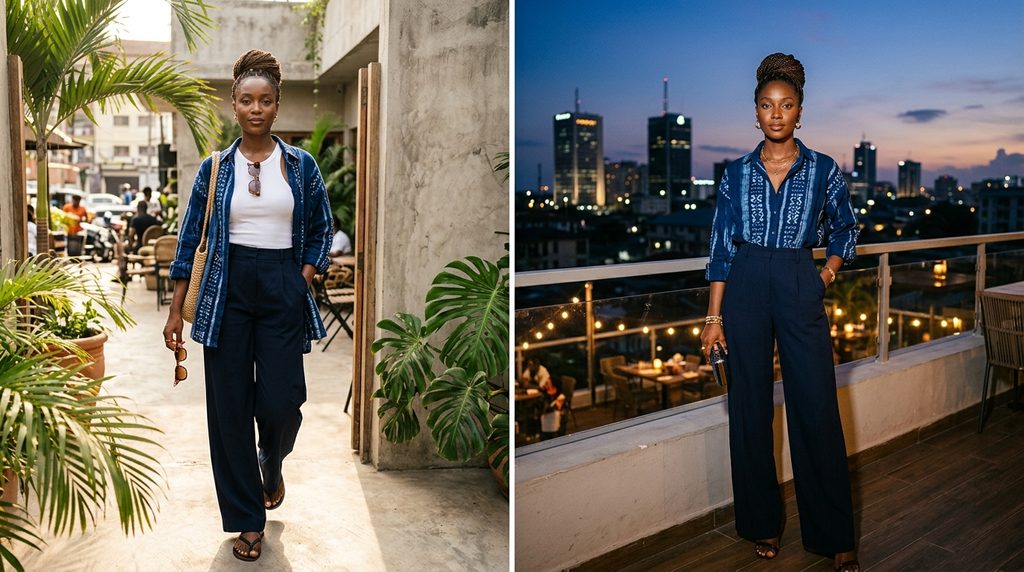
A Lagos day rarely stays in one category. One morning meeting can lead to an afternoon appointment, an unplanned trip across town and an evening event. Smart dressing anticipates that shift instead of demanding a complete wardrobe change.
A lightweight shirt can sit open over a simple base in the afternoon, then button and tuck into a more formal look. A coordinated set can separate into two outfits. Wide trousers can work with flat sandals during the day and a sharper shoe at night. A sheer or lightweight outer layer can add definition without turning the entire look into a heavy construction.
Versatility does not promise that one garment can do everything. It asks the garment not to punish the wearer for having a second plan.
Familiar Nigerian textiles make that flexibility more powerful. A recognisable print or hand-dyed surface supplies visual identity, while an adaptable silhouette keeps the piece useful. That combination lets an outfit belong to Lagos without trapping it in one occasion.
Comfort is becoming part of the glamour
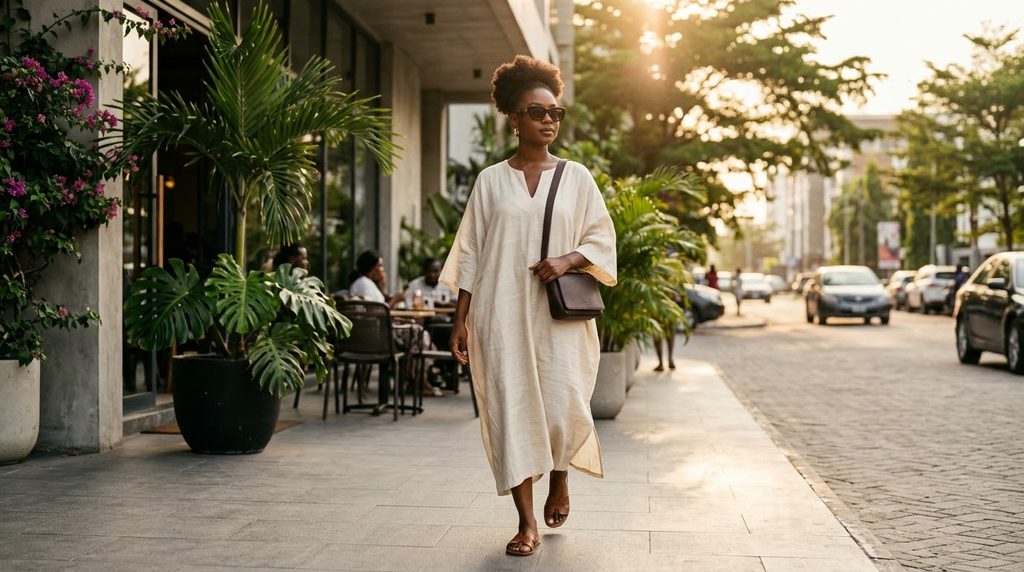
The most interesting shift is not simply that Nigerian designers make comfortable clothes. That phrase can make ease sound like a concession, as though a wearer must give up drama to remain cool. The better conversation focuses on making comfort look intentional.
Four designers offer four different solutions. Olusola begins with cotton and linen. Folawiyo works through lighter textiles and texture. Thompson builds movement into a traditional trouser. Orange Culture combines homegrown cottons and linens with lighter, gender-fluid forms. Together, they show that climate-responsive fashion does not amount to a trend of oversized shirts and neutral colours. It represents a way of thinking.
At 9 p.m., a good outfit need not look untouched. Air should still reach the body. The cut should still give the wearer room. Local references should still anchor the look. A strong silhouette should still move from a car to a meeting, from daylight to evening, without losing its purpose.
That is not a retreat from glamour. Instead, Lagos demands a more convincing version of it, one that understands that people do not merely see the best clothes on the body. They live in them.
READ ALSO: When Rewearing Becomes Smart Fashion: ‘Good Outfit Shouldn’t Have Single-Use Life’

About The Author