



For thousands of years, the landscape of north-western Morocco kept a secret.
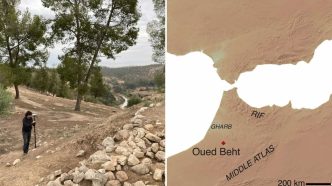
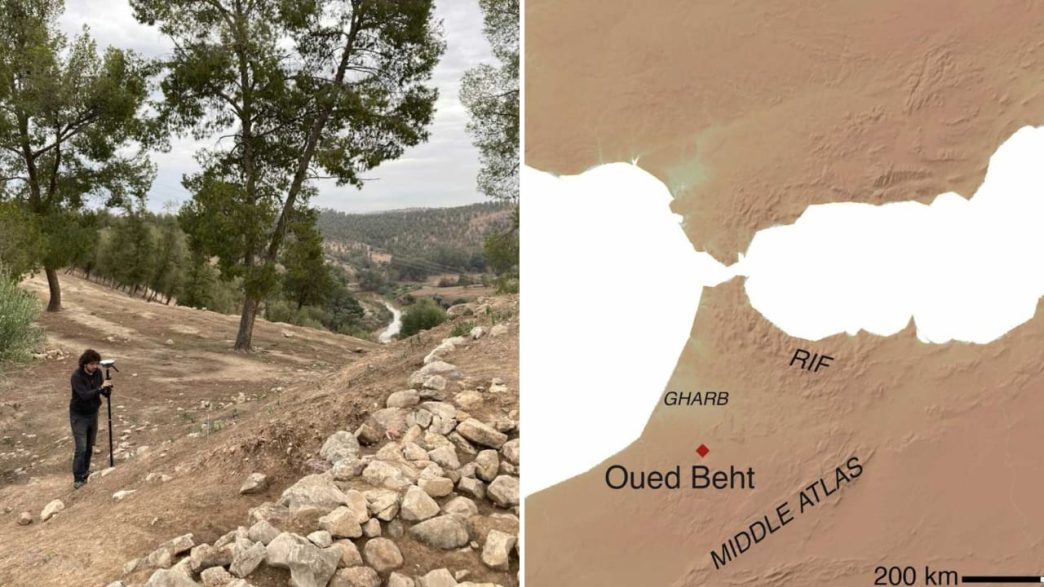
On a ridge overlooking the Oued Beht River in north-western Morocco, archaeologists have uncovered a 4,000-year-old defense system. It is the oldest such system currently known in North Africa outside the Nile Valley.
The discovery is doing more than adding another ancient structure to the archaeological record. It is forcing researchers to reconsider what they thought they knew about the sophistication of prehistoric societies in the Maghreb. 
The findings, published in Libyan Studies in September 2026, come from excavations at the Oued Beht archaeological site in Morocco’s Khémisset Province.
A mystery that began decades ago
The story of Oued Beht is not entirely new. Archaeologists first identified the site in the 1930s, but many questions about the structures remained unanswered for generations.
Recent excavations by the international Oued Beht Archaeological Project (OBAP) have changed that. Researchers identified a substantial ditch and raised earth embankment. The structure crosses a narrow part of the ridge. Radiocarbon dating places its construction between the beginning and middle of the second millennium BC—roughly 3,500 to 4,000 years ago.
The location itself appears significant.The defensive line occupies a narrow, naturally strategic section of the landscape between converging waterways, making it easier to control access to the settlement.
And that raises an intriguing question:
Who needed to defend this place thousands of years ago?
A community much more organised than once imagined
The answer may lie in an even older chapter of Oued Beht’s history.
Earlier excavations revealed that the site was already home to a substantial farming community between approximately 3400 and 2900 BC.
The settlement covered about 9 to 10 hectares. It contained numerous deep pits, pottery, polished stone tools and grinding stones. Researchers also found evidence of domesticated crops and animals. Researchers describe it as the largest agricultural complex of its period known in Africa outside the Nile corridor.
These discoveries suggest that Oued Beht was not a tiny, isolated prehistoric village.
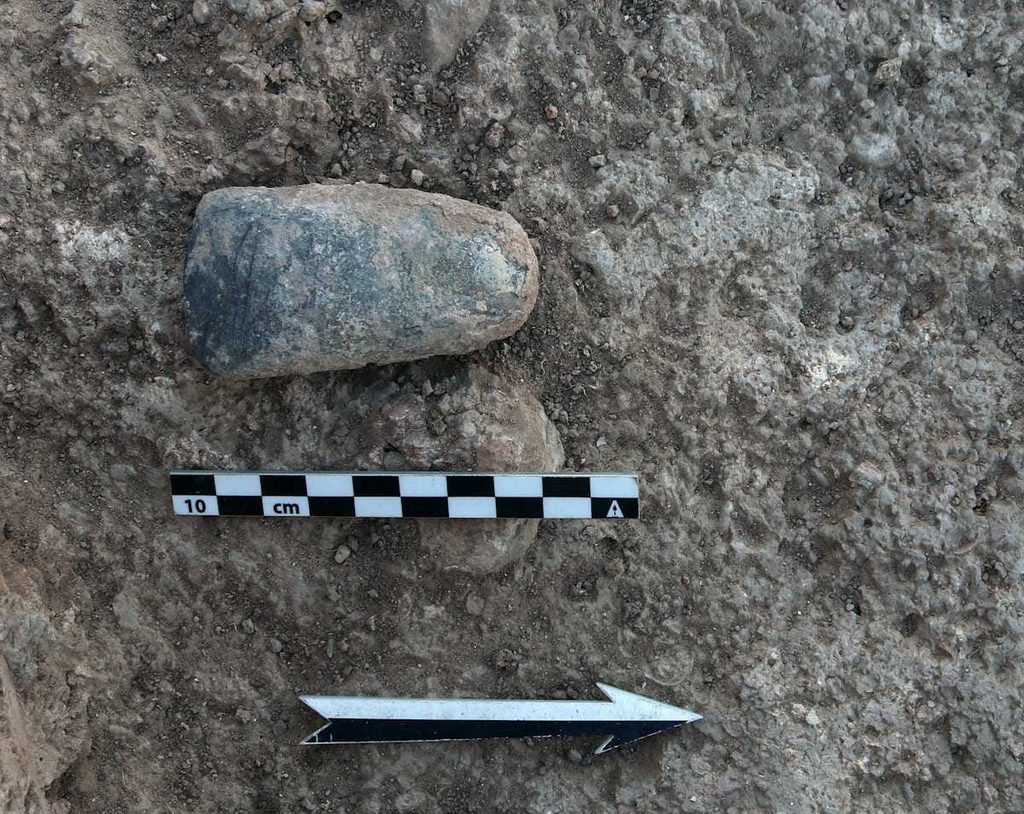
People were farming, keeping animals, storing food, producing tools and pottery—and occupying a landscape large enough to leave a substantial archaeological footprint.
Then, centuries later, part of that landscape appears to have acquired a defensive purpose.
Building a defence system was no small task
A ditch and earthen rampart may sound modest compared with the massive stone walls associated with famous ancient civilisations. But constructing one required something equally important: organisation.
People had to decide where the barrier should go, excavate the ditch, move enormous quantities of earth and build up the rampart.
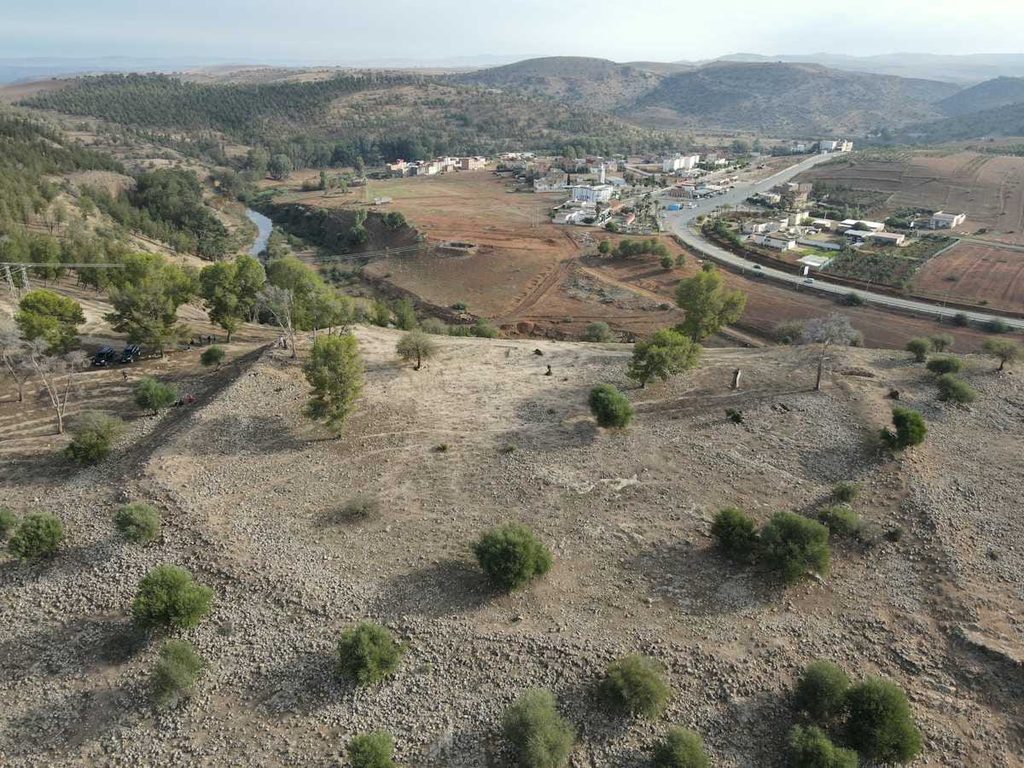
Photo credit: Arnau Garcia-Molsosa/Toby Wilkinson/OBAP Archive
The researchers say the discovery provides evidence of major construction activity. It also marks the earliest securely dated sequence of wall, embankment and ditch construction confirmed in the region.
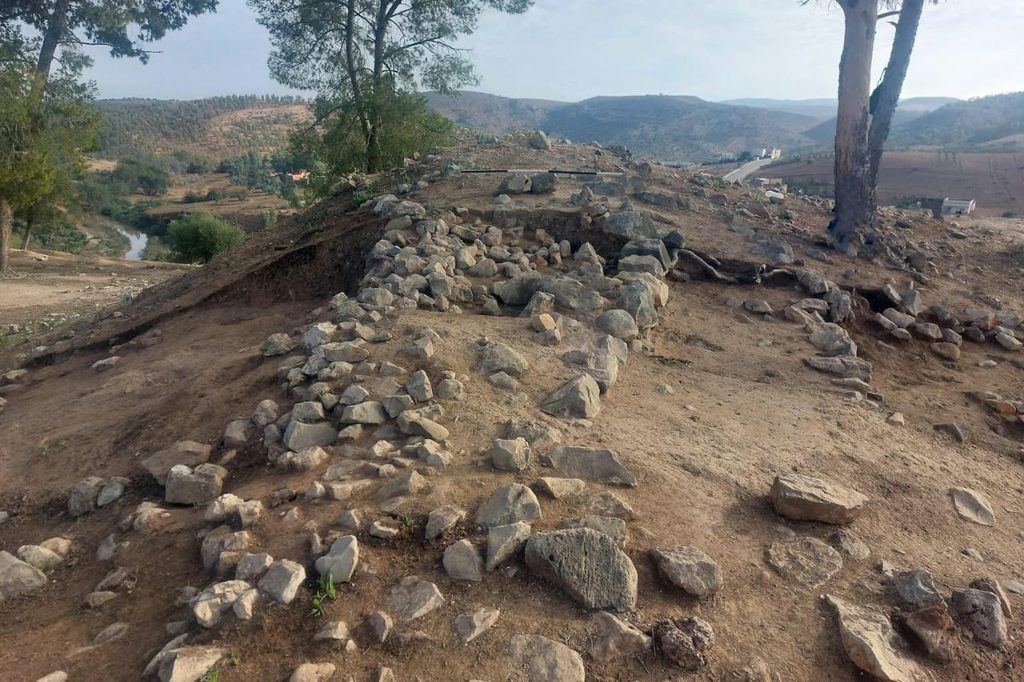
Photo Credit: Giulio Lucarini/OBAP Archive
For researchers, that is significant because the prehistoric history of the Maghreb between roughly 4000 and 1000 BC remains much less understood than that of places such as Egypt and southern Europe. Oued Beht is beginning to fill some of that gap.
Africa was not isolated
Perhaps the most fascinating part of the discovery is what it suggests about the ancient Mediterranean.
Archaeologists have already found evidence at Oued Beht of cultural connections with communities across the Strait of Gibraltar and southern Iberia.
Pottery traditions and other archaeological material indicate that people living in north-western Africa were participating in wider networks of interaction during prehistoric times. This does not mean that Oued Beht was simply copying societies elsewhere.
Instead, it suggests that communities on both sides of the western Mediterranean were interacting in ways that are still being reconstructed.
The discovery therefore challenges an old image of prehistoric Africa as a collection of isolated communities developing independently from the wider world.
The evidence increasingly points to movement, exchange and cultural connections.
The wall isn’t actually all 4,000 years old
There is an important twist.
The impressive stone wall visible at the site today is not the 4,000-year-old structure. The ancient defensive system consisted primarily of the ditch and earthen rampart. The stone wall was added or substantially reinforced during the medieval period, centuries later.
Archaeological evidence indicates that the ridge was reused during the 11th to 13th centuries AD. The defensive system was rebuilt, while settlement and burial activities took place nearby.
One landscape therefore preserves several different chapters of African history.
A new chapter for ancient Africa
Oued Beht is more than an archaeological site. It is a reminder that Africa’s ancient history cannot be reduced to a handful of famous civilisations and monuments.
Long before modern borders existed, communities in the Maghreb were farming, building, storing food, producing tools and interacting with societies across the Mediterranean.
And now, beneath the Moroccan soil, archaeologists are finding evidence that some of these communities were also capable of organising large-scale defensive construction.
The discovery leaves researchers with many questions still unanswered. Who exactly ordered the construction? What threat—or social change—made a defensive system necessary? And how connected was this community to the wider Mediterranean world?
For now, Oued Beht has given us something equally valuable, evidence that there is still much more of Africa’s ancient history waiting to be uncovered.

About The Author