


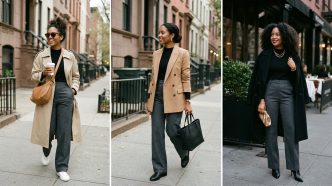
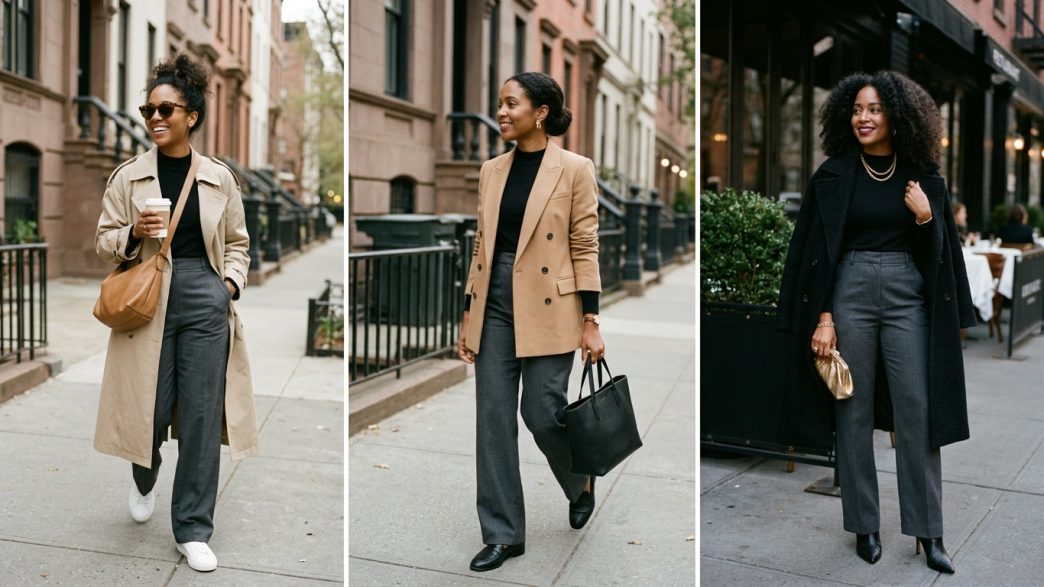
There was a time when rewearing outfits felt like a fashion failure. A photograph from a previous event could bring more embarrassment than praise, especially in an age when social media keeps a record of every appearance. But that attitude is changing. Today, rewearing outfits is becoming less a sign of limited options and more a sign of confidence, creativity and smart fashion.
The new conversation is simple: a good outfit should not have a single-use life.
Why Rewearing Outfits Is Making a Comeback
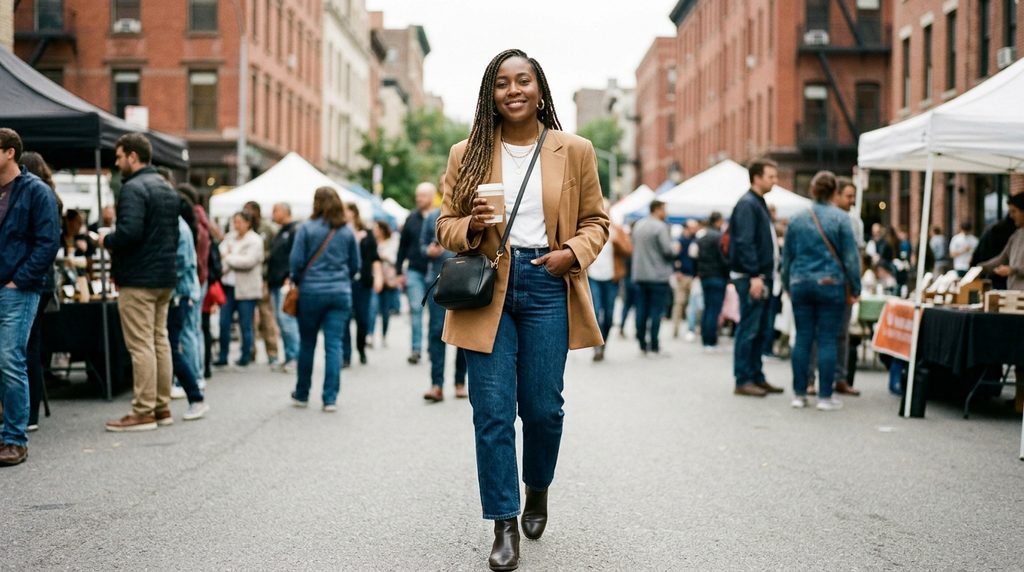
Fashion has always been connected to identity, but it is also connected to money, resources and personal choices. Buying something new for every event can be expensive. It can also create a wardrobe filled with pieces that look impressive once and then remain untouched. Rewearing challenges that habit. It asks people to see value in what they already own and to style familiar pieces with fresh intention. 
ALSO SEE: Sanitary Pad Warning: What New Research Says
The Value of Rewearing outfits, Not Buying More
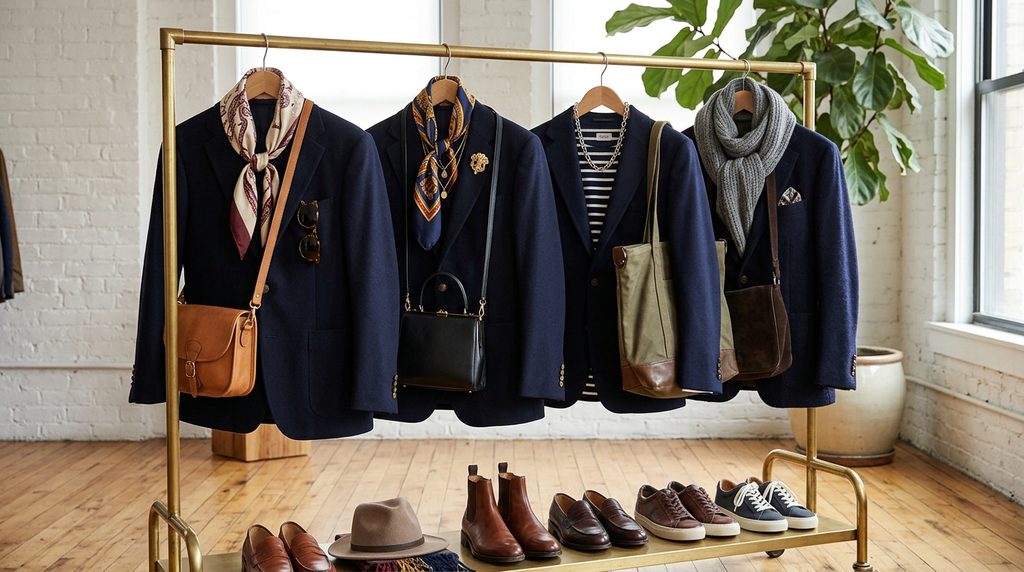
That is where the idea of cost per wear becomes important. A well-made dress worn once may look exciting, but wearing it three ways offers more value. Blazers can move from a formal meeting to a dinner. With a crisp shirt, a skirt works during the day; a dramatic top can take it into the night. Even a statement dress can look different with a belt, jacket, new shoes or new accessories.
Rewearing also supports a more thoughtful approach to sustainability. The fashion industry produces clothing at a rapid pace, while consumers are constantly encouraged to replace what they own. Choosing to repeat an outfit slows that cycle. It gives clothes a longer life and makes personal style less dependent on constant consumption.
Rewearing Oufits and African Style
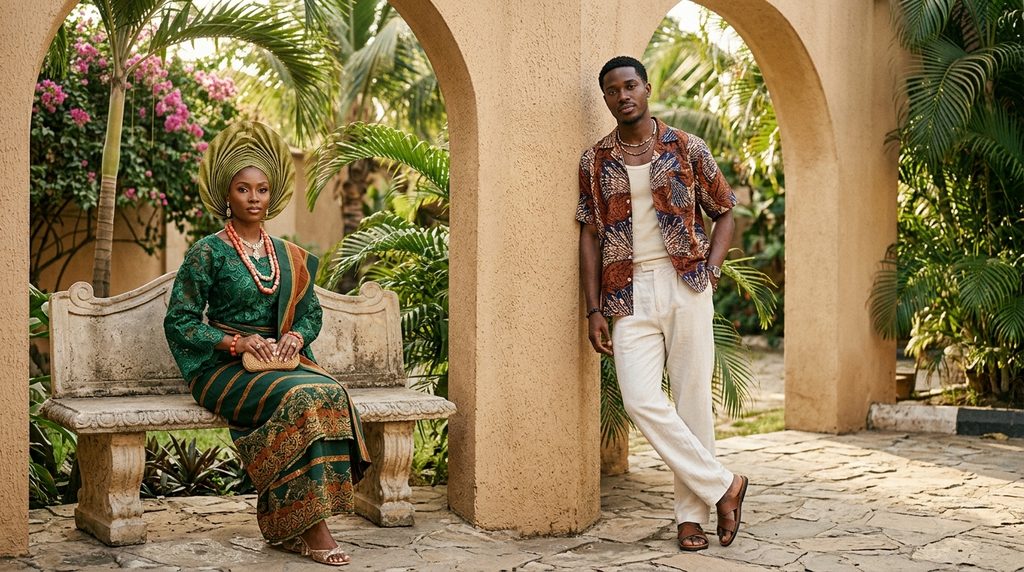
In Nigeria and across Africa, this idea can fit naturally into the way many people already dress. Tailoring, fabric choices and skilled styling make transformation possible. An Ankara piece can be paired with a plain shirt for a relaxed look, then restyled with jewellery and heels for an event. A lace blouse can move from a skirt to tailored trousers. A wrapper can become a skirt, a shawl or a striking layer over a simple dress.
The difference is often not the outfit itself. It is the styling around it.
Styling a Familiar Piece in New Ways
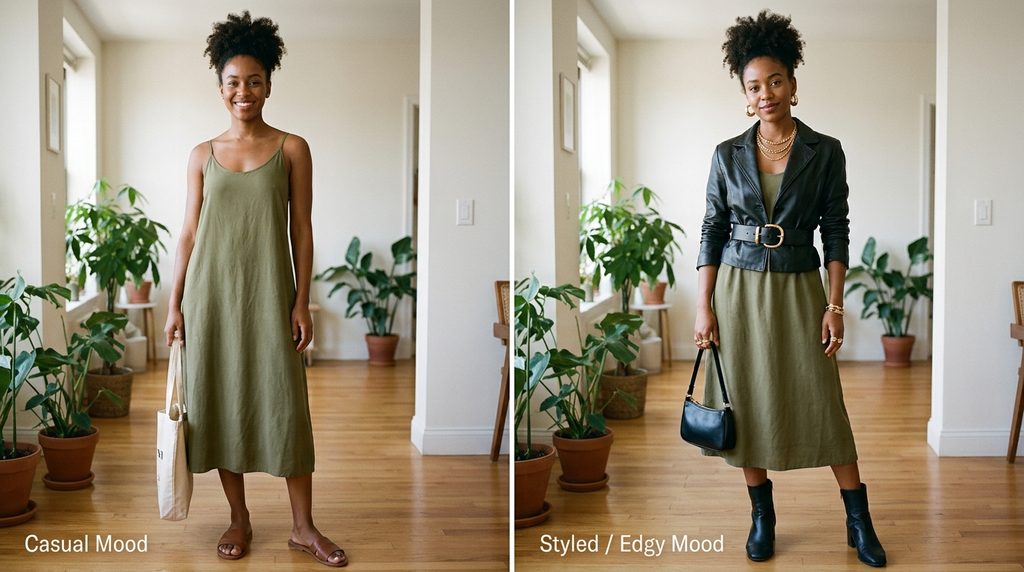
Changing the silhouette is one way to make a repeated look feel new. Wearing a dress loose on one occasion and belted on another can create two different moods. Accessories can also change the story. Gold jewellery creates a different effect from colourful beads, while flats, boots and heels each give the same outfit a new direction. Hair, makeup and layering can complete the transformation.
Beyond the Pressure to Look New
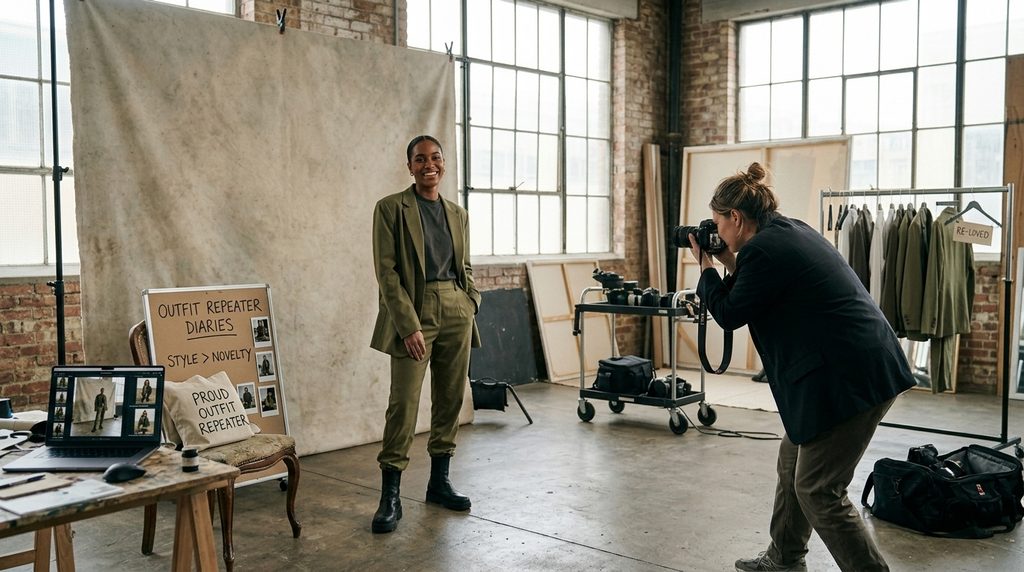
Social media has played a role in the pressure to appear new, but it can also help change the culture. More people are now sharing “rewear” posts, wardrobe challenges and styling videos. These posts show that repeating clothes does not mean repeating an entire look. It means learning how to work with what is available.
Being seen twice in the same piece can show confidence. It suggests that a person is not allowing public opinion to decide the value of a garment. True style is not about proving that one can always buy more. It is about knowing what works and making it work again.
The New Status Symbol
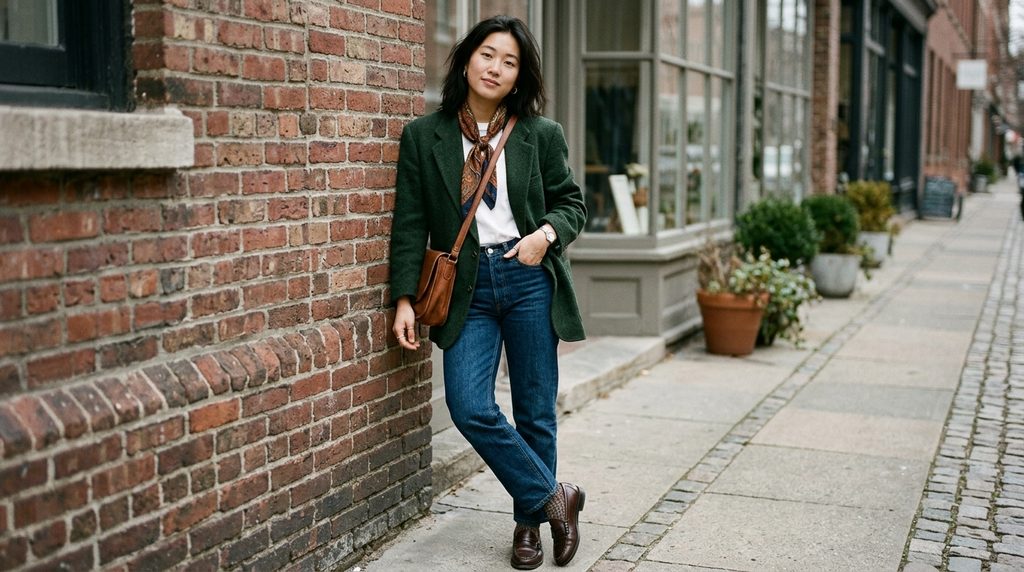
The modern fashion statement may therefore be less about the newest purchase and more about the smartest use of an existing wardrobe. Rewearing is not a failure of imagination. Done well, it is imagination in practice.
The new status symbol is not endless newness. It is discernment: the ability to invest in good pieces, care for them and give them more than one memorable life.
READ ALSO: From Oud to Vanilla: How Arabic Perfumes Are Expanding Nigeria’s Fragrance Culture

About The Author