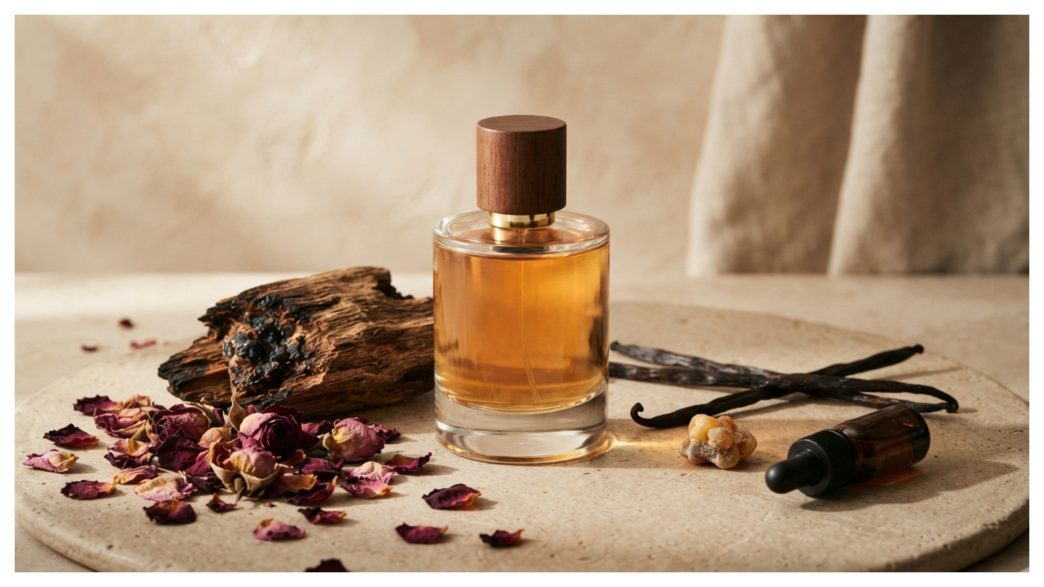
The phrase “Arabic perfumes” can bring Oud to mind first. Lately, however, the conversation has widened. Vanilla, amber, musk, rose and praline now sit beside darker woods and incense. Those deeper materials have long shaped Middle Eastern perfumery.
Currently Lagos retailers, for example, often list Arabic Oud, vanilla and amber fragrances alongside designer perfumes. That listing shows that access has broaden, It gives fragrance lovers more ways to choose. They can move between a smoky evening perfume, a soft everyday oil and a warm gourmand blend.
Arabic Perfumes: A tradition, not a sudden trend
Middle Eastern fragrance culture has never been limited to one bottle or one spray. It includes concentrated oils such as attar and blended oils known as mukhallat. Bakhoor is an incense used to scent rooms, clothing and hair. 
Some versions of oud come as raw agarwood or oil. Others use a modern perfume accord. Perfumers can make the note woody, smoky, resinous or leathery. However, oud does not always feel heavy. Rose can soften its edges, while vanilla and praline can create a sweeter finish. Saffron adds dry warmth and a touch of spice.
In practice, layering is part of that history. A wearer might combine musk, oud, perfume and bakhoor, although many people prefer a simpler routine. Vogue Arabia has also noted that the practice existed in the region long before social media made layering popular.
The word “Arabic” can be too broad when people use it casually. It may describe a traditional format, a Middle Eastern fragrance house or a modern perfume inspired by regional ingredients. In other words, those categories can overlap, but they are not identical.
Can Borehole Water Cause Stomach Ulcers? What Science Says About Aproko Doctor’s Warning
What these fragrances bring to the table
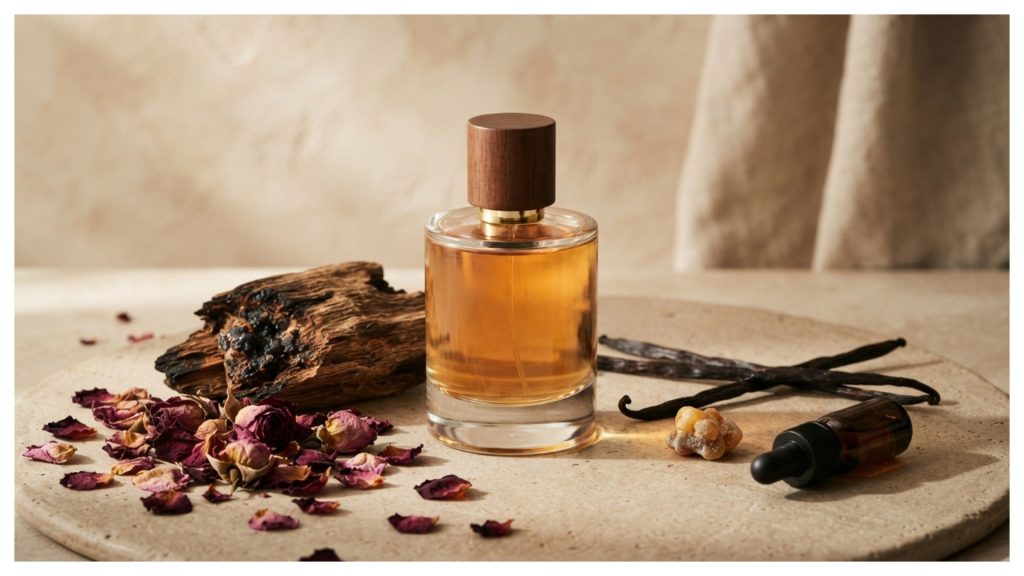
By comparison, amber works differently from oud. In perfumery, it often refers to an accord rather than one single ingredient. Resins, woods, vanilla, labdanum and musk can all contribute to its warm, rounded effect. Amber can therefore sit between a woody perfume and a gourmand one.
Meanwhile, musk brings another texture. White musk often feels clean, powdery and close to the skin. Darker versions can make a floral or woody perfume feel deeper. Rose, meanwhile, can smell fresh, jammy, powdery or rich, depending on the formula.
Then there are the sweet notes. Vanilla, caramel, dates, honey, tonka bean, cacao and praline all belong to the gourmand side of fragrance. However, “sweet” does not automatically mean childish or sugary. A blend can smell creamy, toasted, spiced, nutty or lightly fruity instead.
That balance explains some of the appeal. Oud gives a perfume structure. Vanilla adds softness. Amber supplies warmth, while fruit or citrus can brighten the opening. The final result can feel expressive without becoming one-dimensional.
Bakhoor belongs to the home and clothing side of fragrance culture. People burn scented wood chips or other incense blends to perfume a room, garment or hair. It is not the same as applying an eau de parfum to the skin.
Why people are paying attention
Part of the appeal comes from choice. Someone may prefer a discreet musk oil during the day and a richer oud or amber fragrance at night. Another wearer may enjoy a vanilla perfume without any wood at all. Layering allows people to adjust the result to their mood, clothing or occasion.
At the same time, format matters as well. Oils usually sit closer to the skin, while sprays can create a wider trail. Still, concentration, skin chemistry, weather and application all affect performance. A perfume that feels powerful on one person may wear more quietly on another.
Nigeria’s heat makes that difference easier to notice. A fragrance can change after it warms on the skin. For that reason, testing the dry-down matters more than judging the first spray. Two or three sprays may also be enough for a strong composition.
Ultimately, Arabic perfumes and sweet fragrances are not replacing every other style. Instead, they are adding more language to the way people talk about perfume. Some wearers want smoke and woods. Others want vanilla and caramel. Many now choose a blend that sits somewhere in between.
That middle ground may be the real story. It connects an old fragrance tradition with current interest in comfort, layering and personal choice. The result is not one universal taste. It is a broader, more flexible way to think about what a personal fragrance can be.
READ ALSO: Sanitary Pad Warning: What New Research Says

About The Author