Failed execution attempts have shocked the world for decades, raising difficult questions about capital punishment and what happens when the machinery of death does not work as intended.
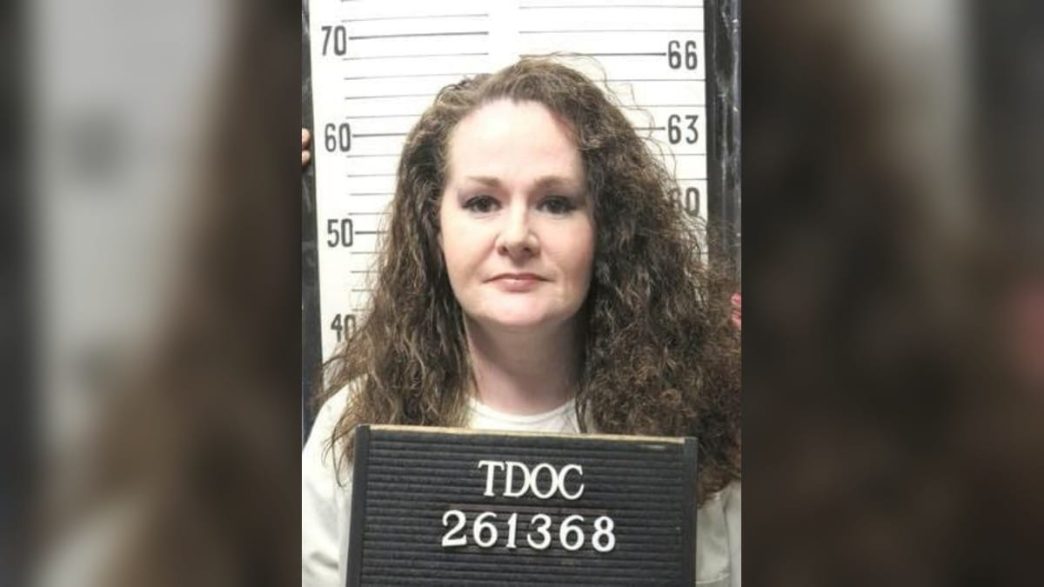
Christa Pike was expected to become the first woman executed by Tennessee in more than 200 years. Instead, the execution ended with an ambulance carrying her to a hospital. Her case has now joined a troubling history of failed execution attempts in the United States.
On September 30, 2026, Tennessee attempted to execute Pike by lethal injection for the 1995 murder of 19-year-old Colleen Slemmer. Media witnesses and Pike’s lawyers said that officials administered two doses of pentobarbital, yet Pike remained alive. She was reportedly still breathing more than an hour after the process began and was later taken to an off-site medical facility, AP reported. 
As of October 1, officials had not explained what went wrong, and Pike’s medical condition had not been made public. Governor Bill Lee ordered a third-party review and paused Tennessee’s remaining executions for 2026.
The extraordinary incident is not the first time an execution has failed to proceed as planned. Here are five documented cases that show how unpredictable and disturbing capital punishment can become when the procedure breaks down.
1. Willie Francis : A Failed Execution Attempt in 1946
One of the most famous failed executions in American history involved Willie Francis, a Black teenager sentenced to death in Louisiana.
On May 3, 1946, officials strapped Francis into the electric chair. The equipment was improperly prepared, and the attempt failed. Francis survived the electrical shock.
Rather than commute his sentence, Louisiana sought to execute him again. The case reached the U.S. Supreme Court, which ruled in Francis v. Resweber that a second execution attempt would not violate the Constitution’s protection against double jeopardy.
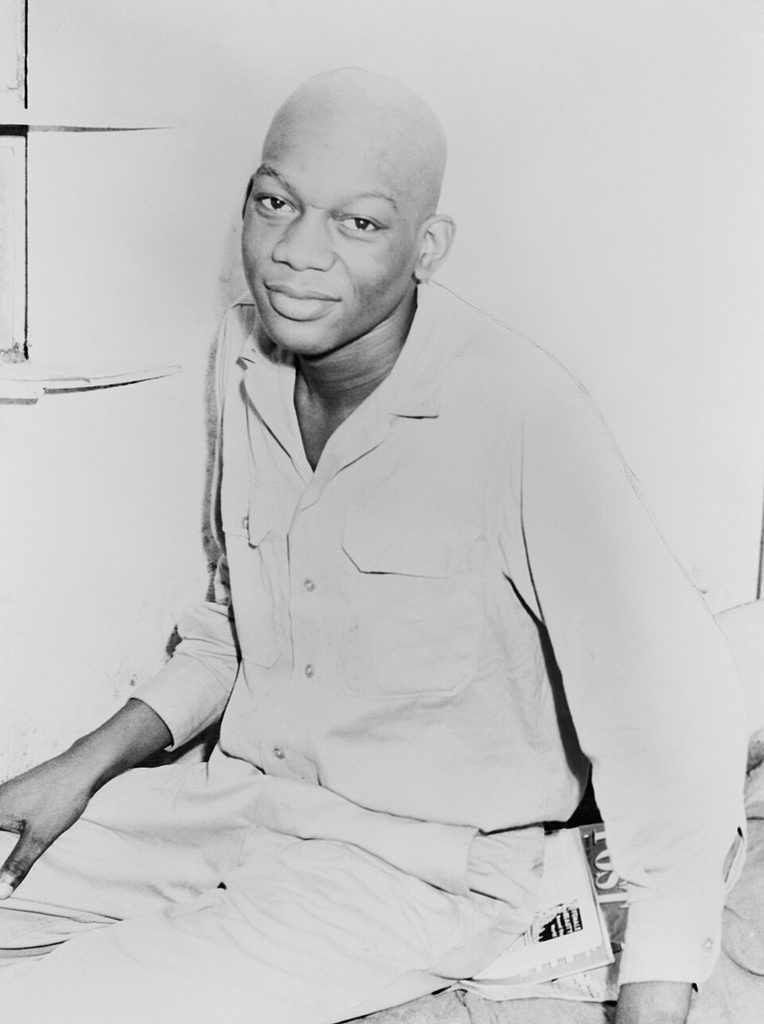
Francis was returned to the electric chair on May 9, 1947, and this time the execution was completed.
His case remains significant because it raised a question that still echoes in modern failed executions: if the state fails to carry out a death sentence, can it try again?
2. Romell Broom: A Failed Execution Attempt in 2009
More than six decades later, Romell Broom survived another failed execution.
Ohio officials attempted to execute Broom by lethal injection on September 15, 2009. For more than two hours, the execution team struggled to establish a usable intravenous line. According to the Death Penalty Information Center, personnel attempted to insert IVs at 18 different sites on his arms and legs.
The execution was eventually abandoned.
Broom later challenged the state’s authority to try again, arguing that a second attempt would violate constitutional protections and subject him to cruel and unusual punishment. Ohio’s Supreme Court ultimately allowed another attempt, and a new execution date was eventually set.
But Broom never returned to the execution chamber. He died on Ohio’s death row in 2020 after contracting COVID-19.
READ ALSO:
3. Alva Campbell – Ohio, 2017
Alva Campbell’s failed execution demonstrated another problem: what happens when an execution team simply cannot establish the necessary IV access?
On November 15, 2017, Ohio officials attempted to execute Campbell by lethal injection. The team worked on his arms for about 30 minutes before trying his leg. After roughly 80 minutes, officials called off the execution because they concluded they were unlikely to access a suitable vein.
Campbell had serious health problems and used a walker and a colostomy bag, among other medical aids. Ohio later scheduled another execution date, but Campbell died in prison from his illnesses in March 2018 before the state could try again.
4. Doyle Hamm – Alabama, 2018
Doyle Hamm’s case was particularly striking because his lawyers had warned Alabama that his medical condition could make lethal injection difficult.
On February 22, 2018, officials spent about two and a half hours attempting to establish an IV line. The effort was eventually abandoned.
Hamm had advanced lymphatic cancer and other serious medical problems. According to the Death Penalty Information Center, the failed attempt left him with numerous puncture wounds and serious internal injuries.
Alabama later reached a confidential settlement with Hamm agreeing not to execute him. He remained in prison until his death from cancer in 2021.
His case shows that a failed execution can have consequences beyond the execution chamber, including legal challenges, medical questions and renewed scrutiny of execution procedures.
5. Thomas Creech – Idaho, 2024
The most recent case on this list before Pike’s 2026 ordeal occurred in Idaho.
On February 28, 2024, officials attempted to execute Thomas Creech by lethal injection. The execution team tried eight times to establish a functioning IV line, attempting access in his arms, legs, hands and feet.
After about 58 minutes, the warden stopped the execution.
Creech remained alive, and Idaho subsequently faced questions about whether and how it could attempt the execution again. The case became another example of how something as basic as establishing intravenous access can derail a state’s carefully planned execution procedure.
What Happens When an Execution Fails?
Christa Pike’s case is different from most earlier failed lethal-injection attempts because, according to current reporting, she received two doses of pentobarbital but remained alive.
The state has not yet explained why the drugs failed to produce the intended result, and her condition remained unknown as of October 1. Tennessee officials say the state’s established execution protocol was followed, while Governor Lee has ordered an independent review.
The incident also raises a difficult legal and moral question: if an execution is not completed, does the state try again?
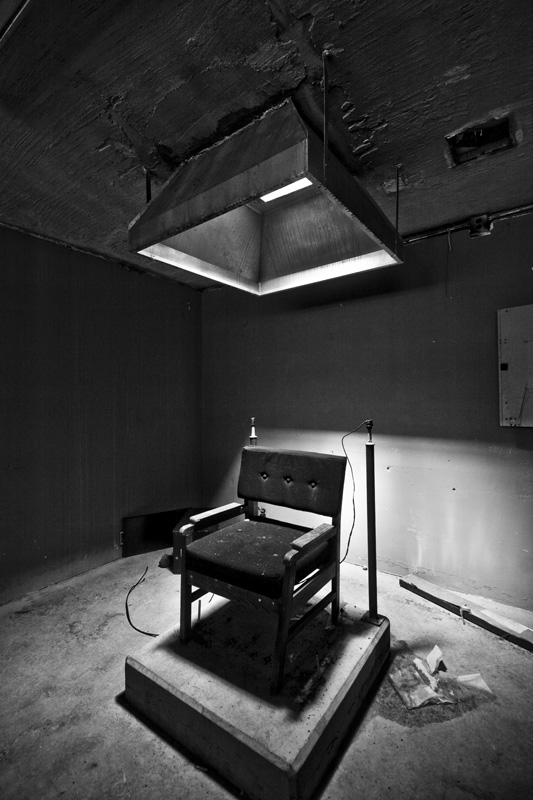
The history of failed execution attempts show there is no single answer. It raises difficult questions about what should happen when a state-sanctioned execution does not go as planned.
Willie Francis was executed on a second attempt. Romell Broom died in prison before another attempt could take place. Doyle Hamm’s case ended with an agreement that he would not be executed, while Alva Campbell died before his rescheduled execution.
For Pike, that question remains unanswered.
Behind every failed execution are not only questions about drugs, equipment and procedures, but also families living with the consequences of violent crime and a state attempting to carry out its most severe punishment.
As Tennessee investigates what happened inside its execution chamber, one thing is clear: the Pike case has reopened an old and deeply uncomfortable question about whether a system designed to make death certain can ever be made completely predictable.

About The Author