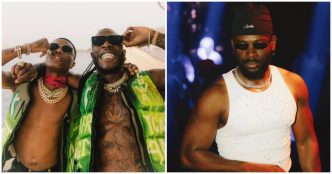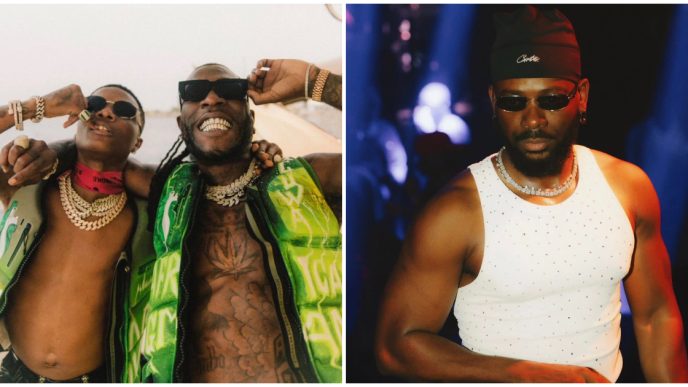



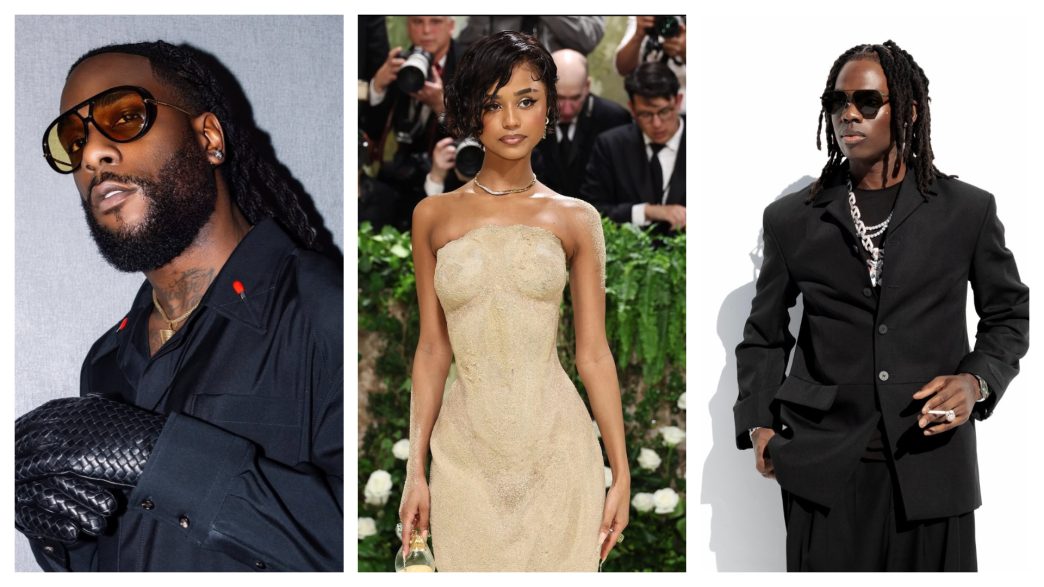
African artists are gaining greater recognition on the global stage as FIFA incorporates African music into its entertainment strategy. This year, Burna Boy, Tyla, and Rema were part of the World Cup roll-out.
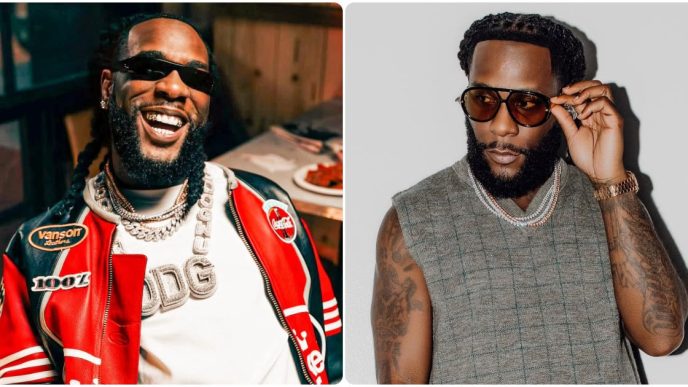
Burna Boy was featured on “Dai Dai”, the official 2026 FIFA World Cup song, alongside Shakira. Meanwhile, Future and Tyla collaborated on “Game Time”, while Rema, Anitta, and LISA (BLACKPINK) featured on “Goals”. These collaborations highlight FIFA’s growing interest in African music and culture.
FIFA recognises Africa as home to one of the world’s youngest and fastest-growing populations. As football and Afrobeats continue to expand globally, the organisation sees a strong opportunity to connect with new audiences through African culture. 
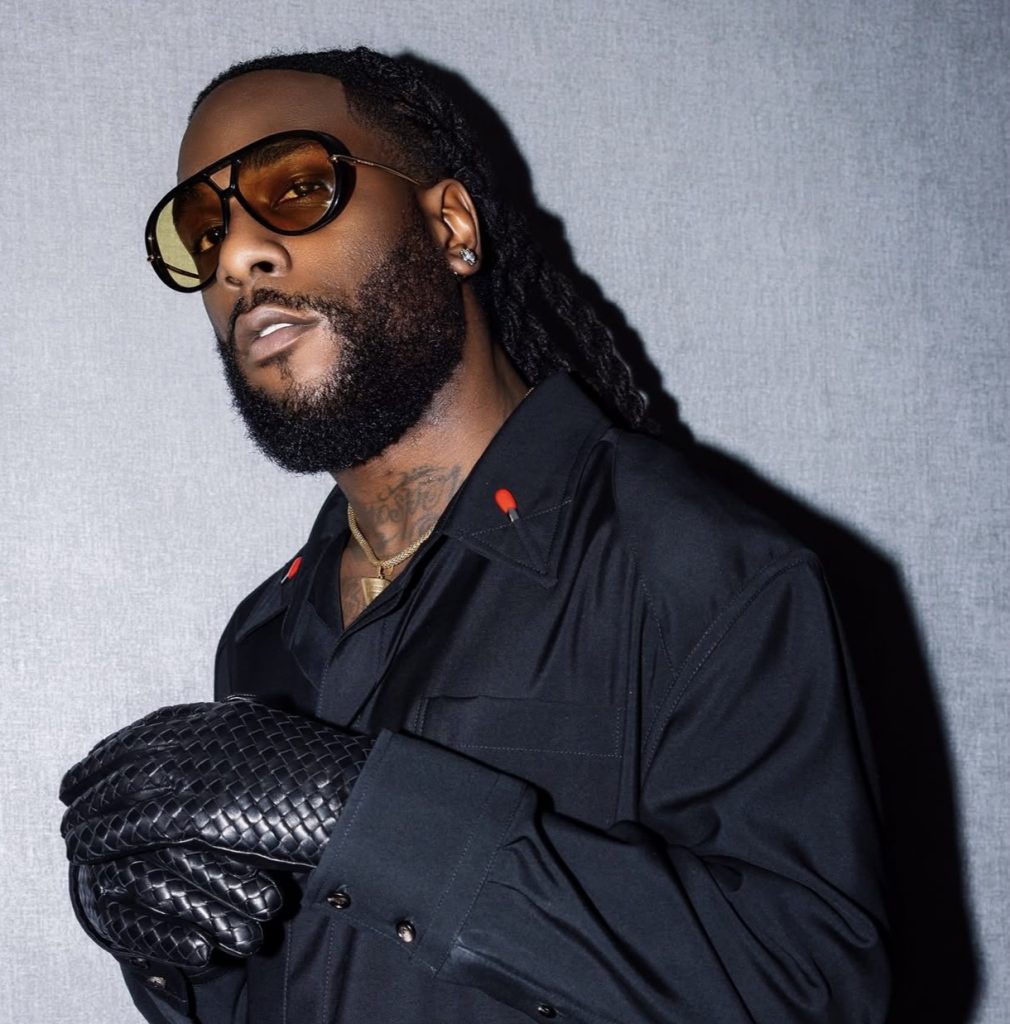
People praised “Dai Dai”, the FIFA World Cup song by Shakira and Burna Boy, for its energy, rhythm, and the way it blends both artists’ styles. On YouTube, several users shared positive reactions. One commenter said, “Shakira and Burna Boy’s voices blend so well.” Another wrote, “Multiple cultures and races are coming together for this,” while a third added, “No one can beat this song in 2026.”
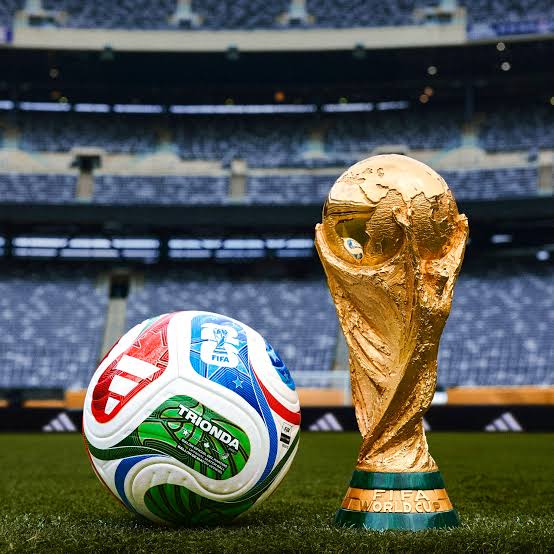
READ ALSO: 2026 World Cup in the US: What to Expect as FIFA says it’s ‘Too Big to Postpone’
Music as a Cultural Bridge
As FIFA expands its global audience, African music is being used to connect culture and sport. Through Afrobeats and other African music genres, artists such as Burna Boy, Tyla, and Rema bring their cultural influence and global fan bases to the World Cup. Their involvement allows FIFA to engage younger audiences and strengthen its presence in key markets.
More Than a Sporting Event
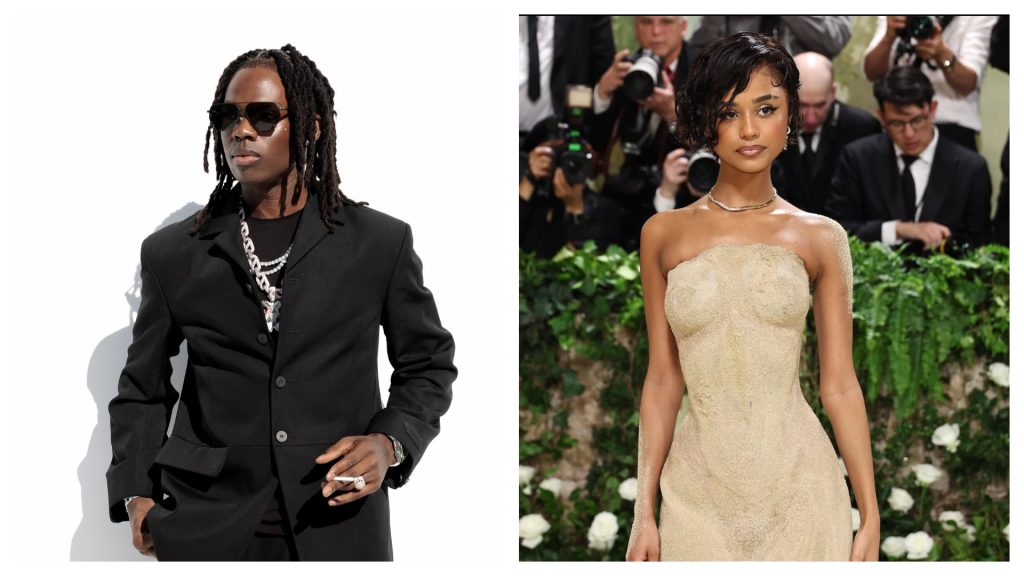
Tyla and Rema are headlining World Cup celebrations in Los Angeles on 12 June alongside other global stars, including Katy Perry, Future, Anitta, and LISA. FIFA says the artists will bring the sound of the 2026 World Cup to life for a global audience. The performances will deliver a high-energy show that reflects the scale, ambition, and cultural impact of the tournament.
During the ceremonies, FIFA will combine football, music, and entertainment in celebration of what it described as a historic tournament across North America.
The World Cup has evolved into more than just a football tournament. It now serves as a global entertainment platform where music, sponsorships, media rights, and cultural influence help FIFA attract and engage audiences worldwide.
What This Means for Africa
The growing presence of African artists on football’s biggest stage gives the continent’s music and creative industries greater exposure to international audiences. It also highlights the increasing influence of African talent in shaping global culture.
African culture no longer follows global trends; it helps create them. Across music, sport, entertainment, and digital media, African creators continue to shape conversations and influence audiences around the world.

About The Author