



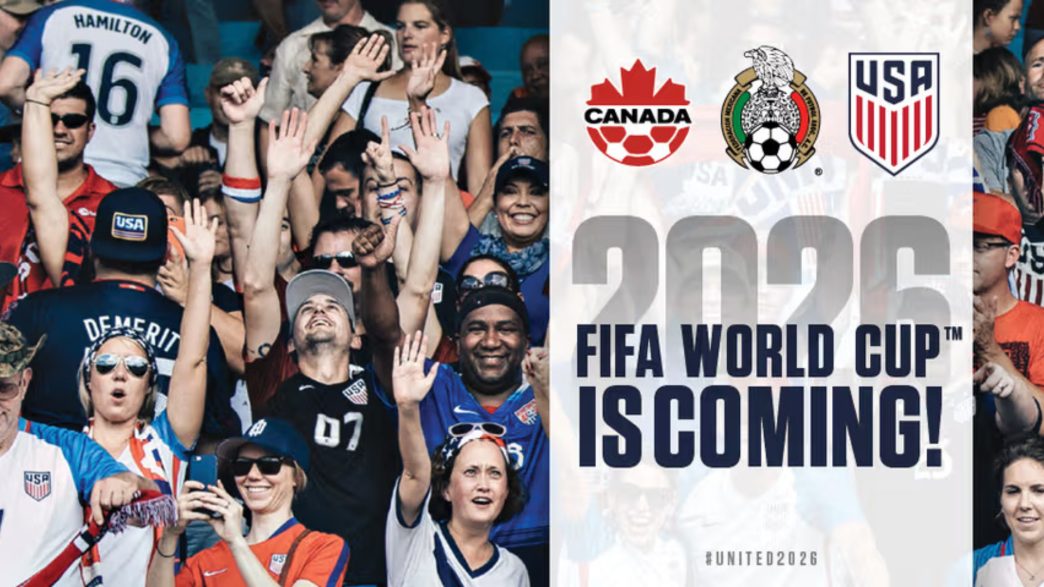
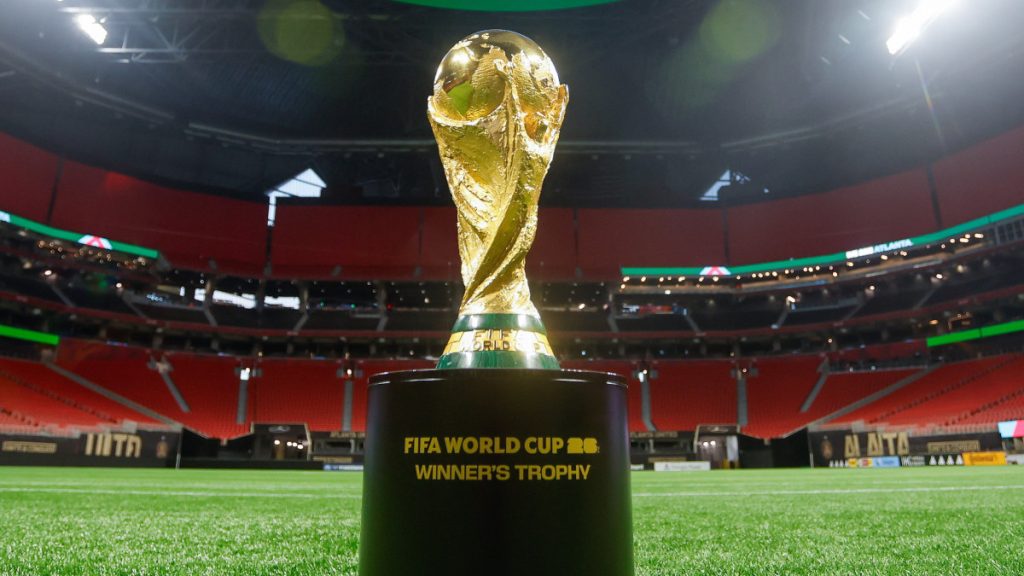
The 2026 World Cup is set to be hosted by the United States, Canada, and Mexico. It will feature 48 national teams and 104 matches across 16 venues.
Global football calendars and league seasons have been adjusted to these fixed dates, billions of dollars have been spent on commercial contracts, and travel plans have been made by and for millions of fans.
Given the scale and significance of the FIFA World Cup, how will the political tensions affect specific teams and the participation of the general public in the contest? 
FIFA’s World Cup Chief Operating Officer (COO), Heimo Schirgi has decided to move forward despite the dangers of the global turmoil caused by the conflict involving the U.S., Israel, and Iran. He says the tournament is “too big” to be postponed.
This announcement came a few days after the Confederation of African Football (CAF) announced the postponement of the 2026 Women’s Africa Cup of Nations (WAFCON), which was just 12 days away. The governing body said the competition had to be postponed due to “unforeseen circumstances.”
Schirgi spoke on Monday, March 9, 2026, at the International Broadcast Center for the tournament, which starts June 11, 2026.
“We’re working together with all our federal partners and also our international partners in evaluating the situation, and we basically take it day by day; at some stage, we will have a resolution. And the World Cup will go on, obviously, right? The World Cup is too big, and we hope that everyone can participate that has qualified.”
The U.S. faces multiple risks as it prepares to host an event like the 2026 World Cup. Football is the most popular sport on Earth, with more than 5 billion fans out of the global population of 8 billion people.
ALSO READ: FIFA 2026 Rankings: See 7 African Countries Dominating the List
Challenges With The 2026 World Cup in the US
- U.S.-Iran Conflict: With the ongoing tensions in the Middle East especially in Iran, the greatest immediate threat is that terrorist organisations may use the event as a high-profile target. Major athletic events serve as “magnets for transnational terrorism”, according to the Department of Homeland Security. The BBC also reports that Iran will also not be participating in the World Cup.
- Civil Unrest: According to Human Rights Watch’s analysis of previous mega-events, the ideological differences in the US increase the potential for civil unrest. This could lead to protests or civil demonstrations or riots.
- Transport Challenges: In contrast to countries with effective transport systems, the cities in the United States and Canada rely mostly on cars. A Politico article spoke about how insufficient transit infrastructure may impede emergency responses due to expected traffic congestion.
- Visa Challenges: With the U.S. government issuing visa bans affecting 75 countries, there are questions regarding how supporters are expected to travel to the host countries, even if the athletes themselves are granted visas.
From all indications, the 2026 World Cup may not be as seamless as previous editions, but FIFA’s COO insists that the show must go on.

About The Author