



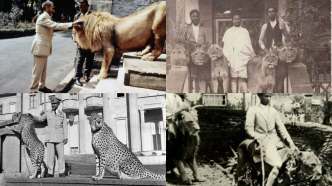
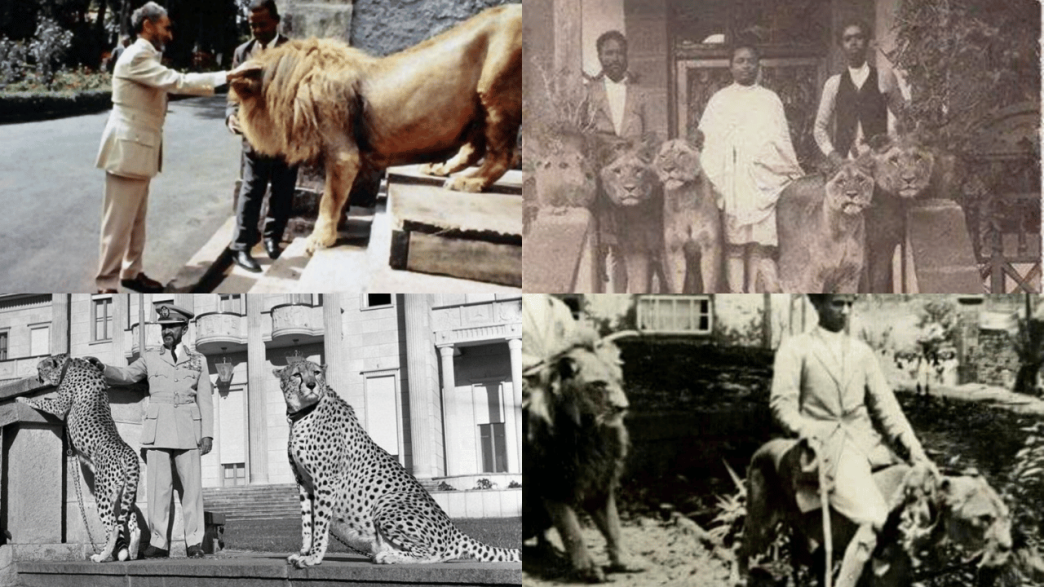
You were taught and brought up to think lions were wild and belonged in the zoo, but Ethiopian emperors thought differently. In a way, they proved to be ‘wilder’—they tamed lions and kept them in the palace instead.
To Ethiopians, the lion is more than just an animal; it is a political emblem. It represents continuity, sovereignty, strength, pride, and divine authority. During the reign of Emperor Haile Selassie (1930–1974), the lion was referred to as the “Lion of Judah,” signifying the biblical lineage of Ethiopian rulers from King Solomon and the Queen of Sheba.
ALSO READ: Explained: Ethiopia–Eritrea’s Growing Rift and the Fano Militias

The Lion as a Symbol of Royalty
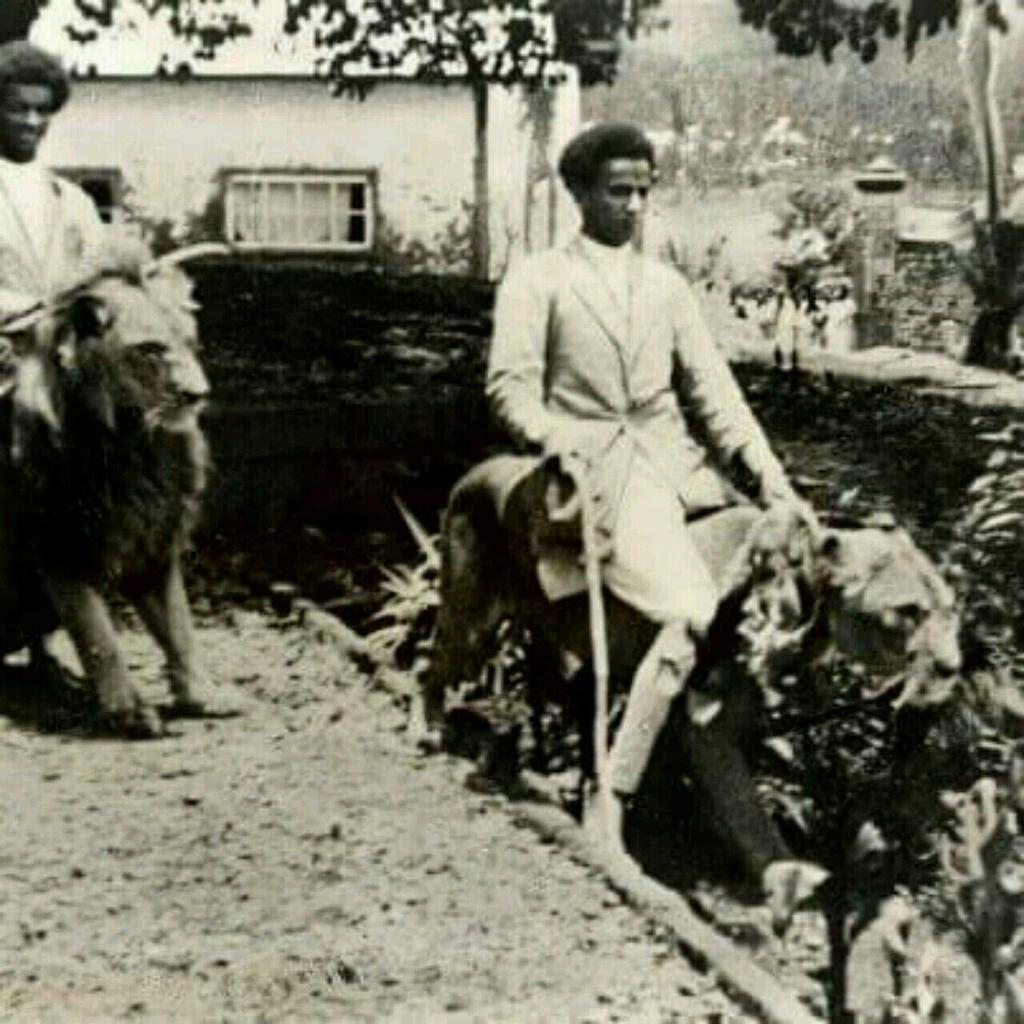
In the 1850s, Ethiopian monarchs used lions in royal imagery, flags, and public ceremonies to reinforce their legitimacy. These lions—a unique breed known as “black-maned lions”—served as living reminders of the emperor’s power and the nation’s heritage.
Many Ethiopian emperors, most notably Tewodros II and Haile Selassie, famously kept lions within the grounds of their palaces in Addis Ababa. Diplomats and photographers who visited the capital testified to seeing these lions, which were kept in designated enclosures and treated with immense respect, reflecting the royal status of both the animals and their owners.
Lions were also incorporated into ceremonial displays and palace processions. Their presence reminded subjects and visitors alike that the monarchy was tied to divine power. Even after the monarchy ended, the lion remained a fixture in Ethiopian art, seals, and national symbols, emphasizing its lasting importance to the country’s cultural identity.
While these lions were not “pets” in the traditional sense, their role went beyond that of mere animals. Today, descendants of the ‘royal lions’ once owned by Haile Selassie reside in a zoo in Addis Ababa, but the image of the lion remains a central icon of Ethiopia, appearing on currency, coats of arms, and historical narratives.

About The Author