


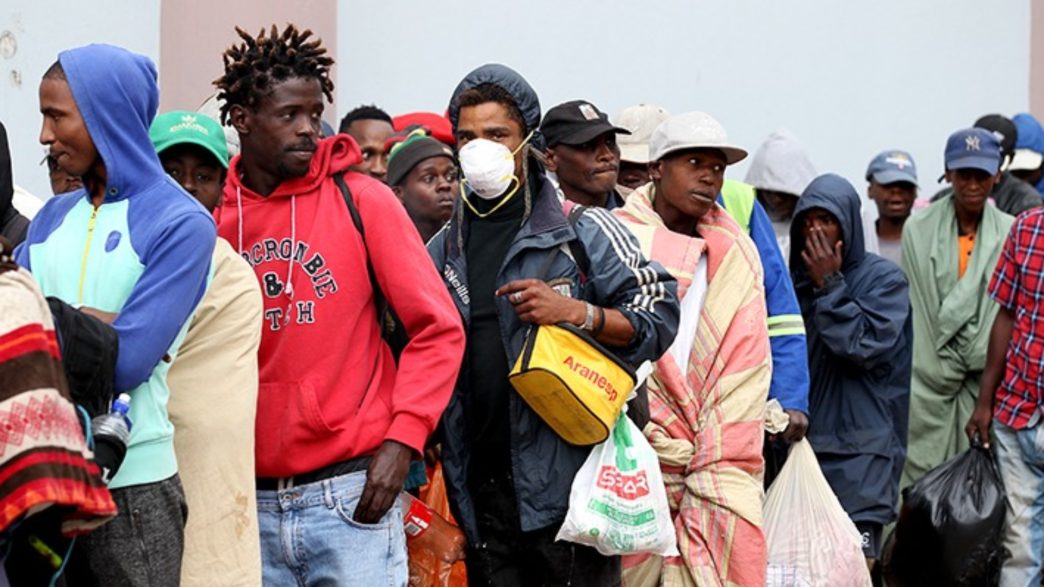
There is an urgent deadline of June 30 hovering over South African cities like Durban and many others, set by anti-illegal immigration organisations for unauthorised foreigners to leave South Africa.
Fear is growing among migrants following weeks of violent attacks and vigilantism. Many have already faced forced evictions from their businesses, public humiliation, and clashes involving tear gas and rubber bullets.

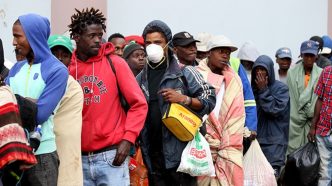
Outside Durban’s Home Affairs Refugee Reception Centre, a group of immigrants are waiting for their fate in fear.
Despite speculation about undocumented immigrants, the Department of Home Affairs in KwaZulu-Natal and city officials said that out of 457 foreign nationals processed in central Durban, only two were found to be undocumented.
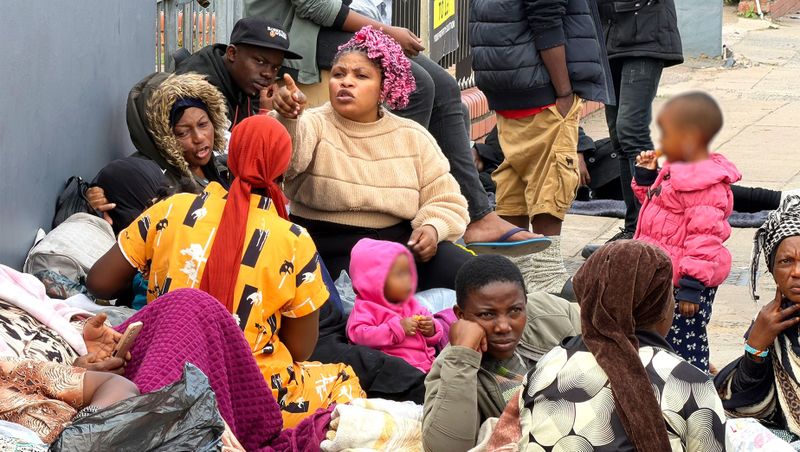
Also, according to the UNHCR, South Africa hosted more than 167,000 refugees and asylum-seekers in 2025.
Bahebwe, a refugee from the Democratic Republic of the Congo and permanent resident of South Africa speaking to Daily Maverick, described the xenophobic protests as witch hunts that shield criminals and extortionists. In response to rising xenophobia, refugees from various backgrounds have united for mutual support.

What Happens After June 30th?
We only need to look at the past to accurately predict the future. Just how many immigrants have been killed in South Africa?
The historical data paints a grim picture of escalating violence. According to Human Rights Watch, 62 people were killed in xenophobic violence in 2008. By 2011, 154 incidents were recorded along with 99 fatalities and 100 serious injuries.
The following year saw an even greater surge; in 2012, 238 incidents were reported—resulting in 120 people killed and 7,500 others displaced. Alphonse Munyaneza, a UNHCR Regional Community Services Officer, spoke about these 2012 displacements, particularly around Bloemfontein and Botshabelo, noting that over 300 shops were affected during the violence that year.
This crisis bled directly into the following months. In an essay published by Lawyers for Human Rights in 2013, it was noted that the UNHCR tracked an estimated 130 incidents of attacks on foreigners just between January and May of 2013. During that five-month window, 73 people were seriously injured and some 5,000 others were displaced, with the organisation adding that 154 people total were seriously injured in attacks around that period.
The pattern of violence persisted into the next decade. Human Rights Watch documented 12 deaths in 2019, and by 2022, numbers spiked again back to near-record highs.
With these dire figures in the past, the upcoming June 30 deadline instills fear and a heavy sense of foreboding about what awaits.
ALSO READ: US Plan for Ebola Quarantine Facility in Kenya Raises Eyebrows

About The Author