


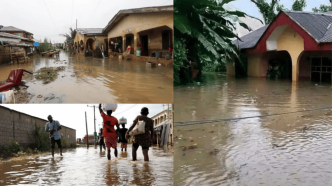
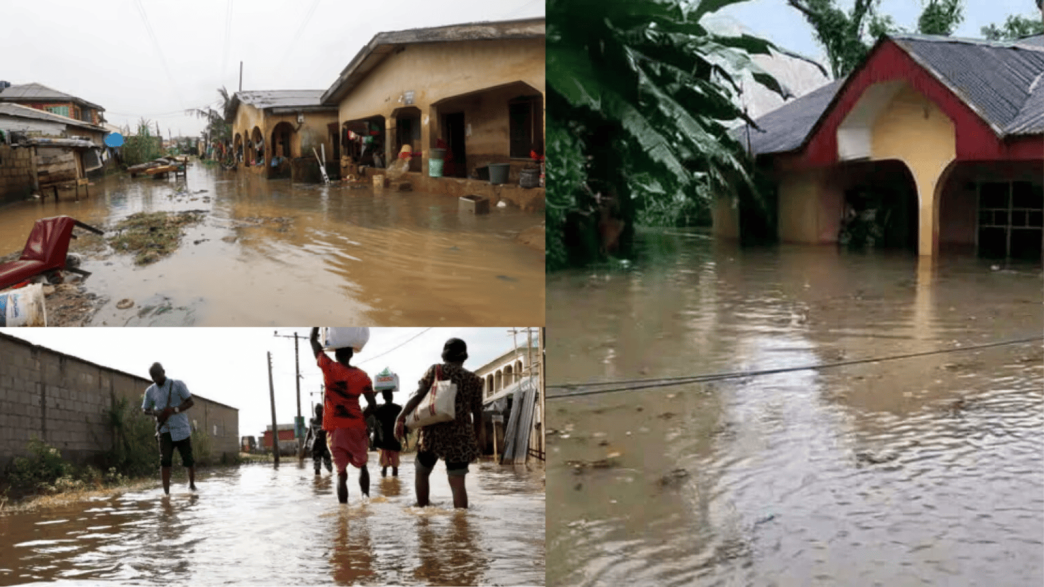
Whenever torrential rain brings Lagos to a standstill, it reinforces a popular belief that Nigeria’s commercial nerve centre is also its wettest state. But it is not.
In actuality, Lagos trails some states in the South-South geo-political zone, where rainfall is far heavier and more prolonged. Bayelsa, Rivers, Cross River, Akwa Ibom and Delta consistently receive the highest annual rainfall in the country, with many communities recording between 2,500 and more than 3,000 millimetres yearly. 
Calabar, capital of Cross River State, remains Nigeria’s rainiest major city, while parts of the Niger Delta receive almost twice as much rainfall as Lagos in a typical year. Lagos, despite averaging between 1,500 and 2,000 millimetres annually, has become synonymous with flooding largely because of rapid urbanisation, blocked drainage channels, extensive construction on wetlands and the sheer volume of people and infrastructure exposed whenever heavy rain falls.
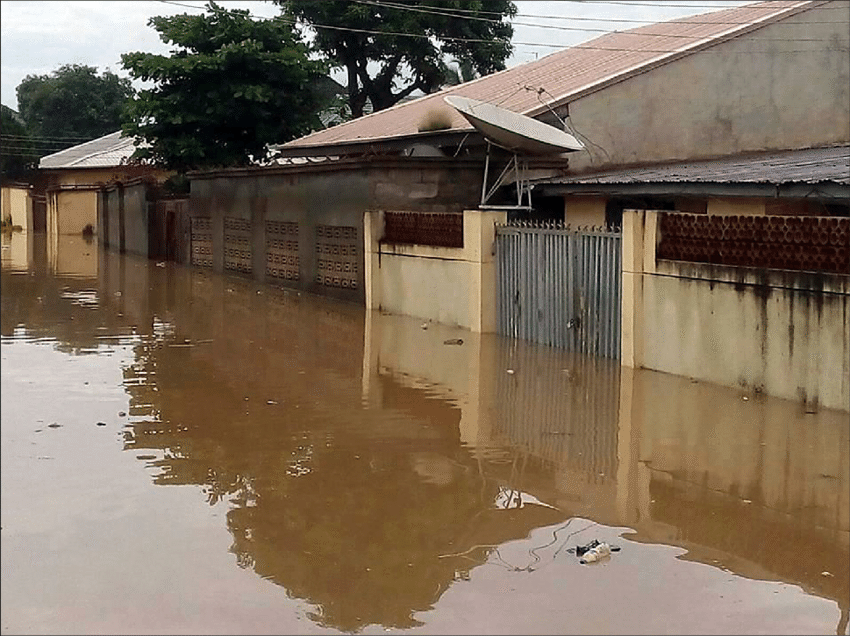
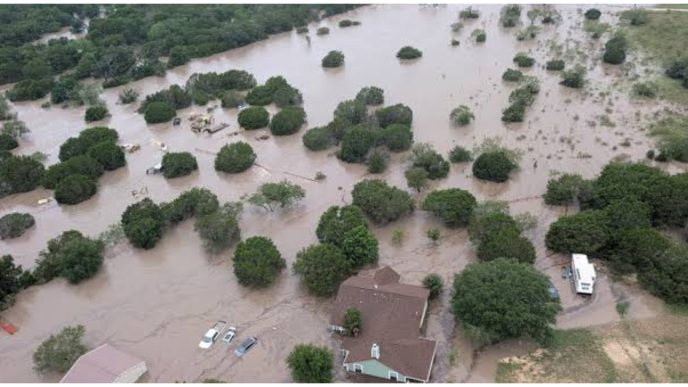
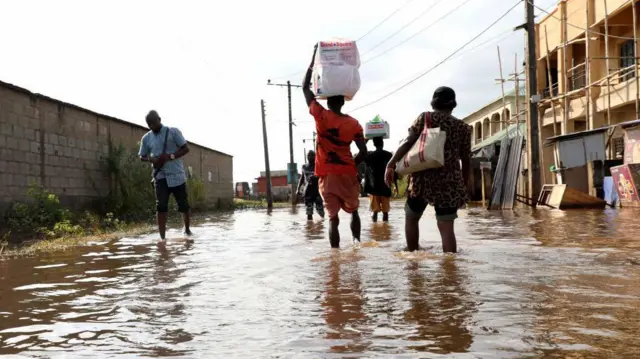
But even before the peak of this year’s rainy season, floods have already begun leaving a trail of destruction across several parts of the country. In Niger State, Mokwa was devastated by one of the deadliest floods recorded this year after torrential rainfall triggered flash floods that swept through the town, destroying homes, roads and businesses while claiming scores of lives.
Many communities along the River Niger have been reported to have continued to battle rising water levels.
Lagos has also witnessed repeated flooding following heavy downpours. Many parts of Lekki, Victoria Island, Ikoyi, Ajah, Ikorodu, Oshodi, Gbagada, Iyana Oworo, Agege and the Lagos-Abeokuta Expressway have experienced flooded roads, leaving motorists stranded for hours and disrupting commercial activities.
Floodwaters have equally inundated communities in parts of Bayelsa, where Yenagoa and surrounding riverine settlements remain vulnerable because of their low elevation. In Rivers State, sections of Port Harcourt have again struggled with poor drainage after intense rainfall, while Delta communities along the Niger floodplain continue to monitor rising river levels.
In Benue and Kogi, residents are once again watching the Benue and Niger rivers with apprehension, mindful that heavy rainfall upstream can trigger widespread flooding even before local rainfall reaches its peak.
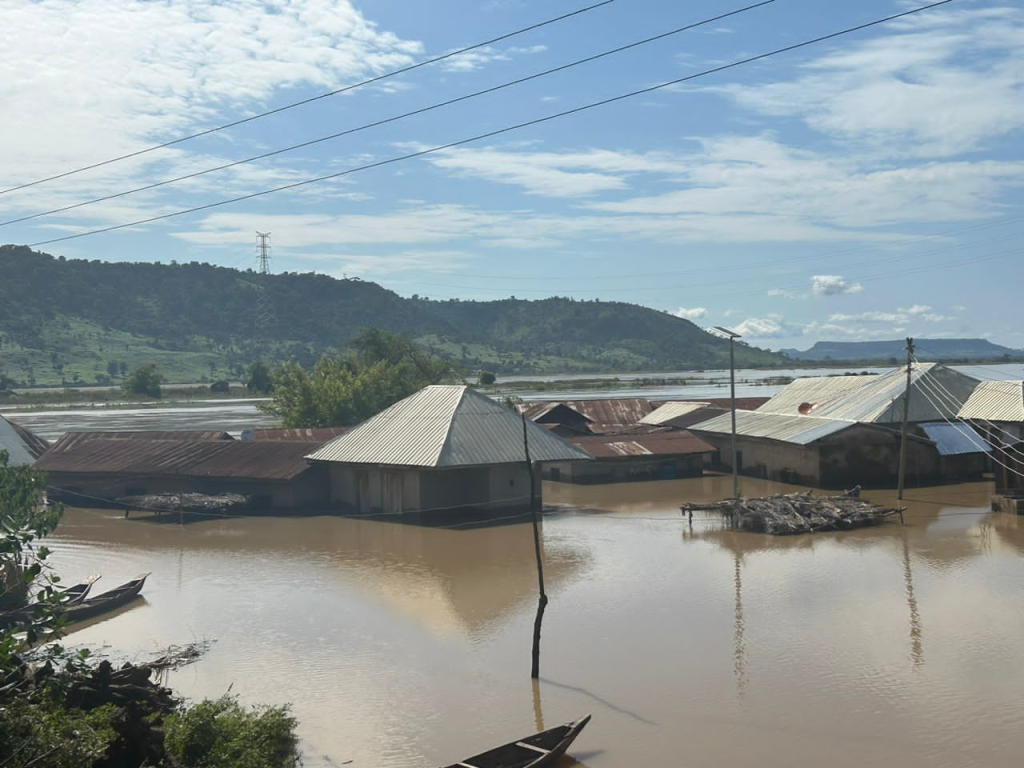
The Nigerian Meteorological Agency believes the country has not yet seen the worst of this year’s rains. In its 2026 Seasonal Climate Prediction, the agency forecasts that rainfall across Nigeria will range from about 420 millimetres in the far north to more than 3,200 millimetres in the coastal belt. It has warned that many southern states are likely to record normal to above-normal rainfall, increasing the possibility of flooding in already vulnerable communities.
NiMet has also predicted that the rainy season will last longer than usual in Lagos, Ogun, Oyo, Benue, Enugu, Ebonyi, Nasarawa, Anambra, Kwara, Kebbi, Kaduna, Gombe and Taraba. A prolonged rainy season means that communities in these states could continue experiencing significant rainfall even after the period when rains would ordinarily begin to taper off.
The agency further warned that flooding remains a major threat in states located along the Niger and Benue river systems, particularly Kogi, Benue, Niger, Anambra, Bayelsa and Delta, where overflowing rivers have historically caused some of Nigeria’s worst flood disasters.
Coastal states, including Rivers, Cross River, Akwa Ibom and Bayelsa, are also expected to remain vulnerable because of their exceptionally high rainfall totals and low-lying terrain.
Experts say rainfall alone does not determine whether flooding will occur. Poor drainage infrastructure, indiscriminate dumping of refuse into canals, construction on natural waterways and the release of water from upstream dams often combine with heavy rainfall to produce devastating floods.
That explains why Lagos, despite receiving substantially less rainfall than Bayelsa, Cross River or Rivers, frequently experiences some of Nigeria’s most disruptive urban flooding, while riverine states face a different but equally dangerous threat from overflowing rivers.
With the peak of the rainy season still weeks away in many parts of the country, NiMet is urging state governments to clear drainage channels, strengthen emergency response systems and discourage development on floodplains.
Residents of flood-prone communities have also been advised to pay close attention to official weather advisories and heed evacuation notices where necessary.

About The Author