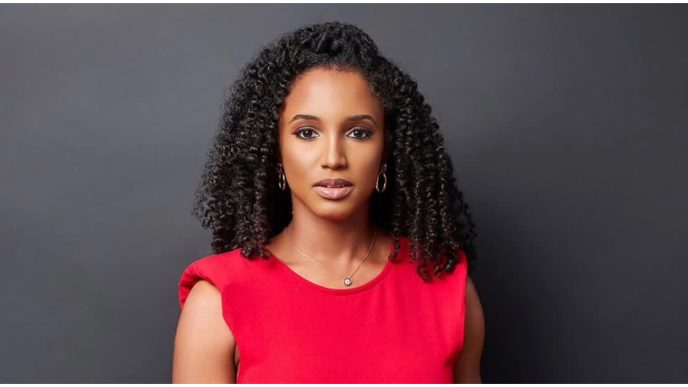




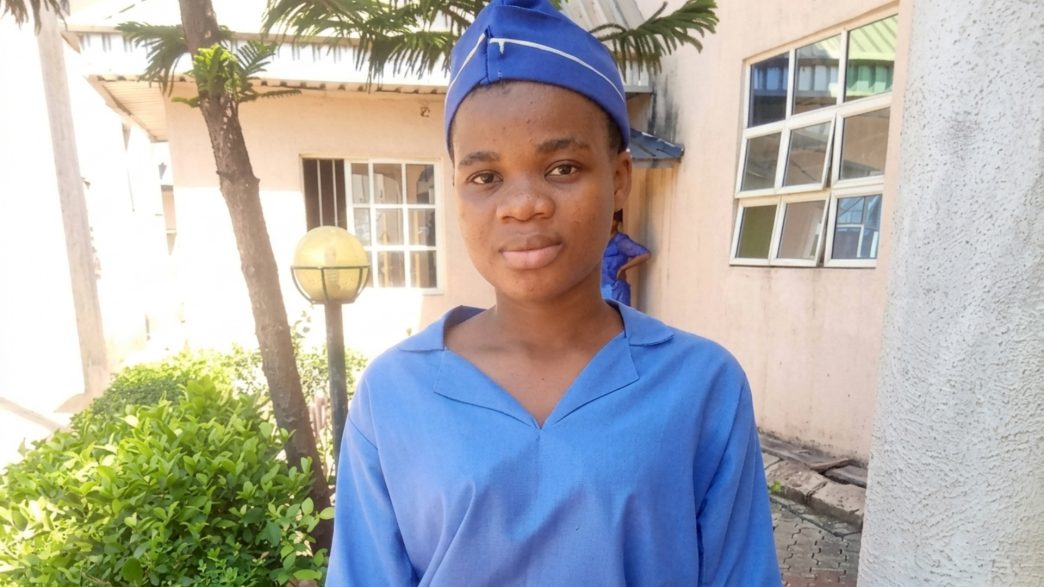
In mid-2023, Ejikeme Mmesoma’s name was everywhere. An Anambra State secondary school student claimed she scored 362 in the Unified Tertiary Matriculation Examination; a score that would have ranked her among Nigeria’s highest performers. The community immediately celebrated, promising scholarships, and she briefly became a symbol of academic excellence in the South-East. Then JAMB released its findings, and everything unravelled.
What Actually Happened
The Joint Admissions and Matriculation Board stated that Mmesoma’s actual score was 249, not 362. The board alleged that she manipulated her result and printed a forged copy with the higher score. An investigative panel set up by the Anambra State Government reviewed the case and confirmed the forgery.
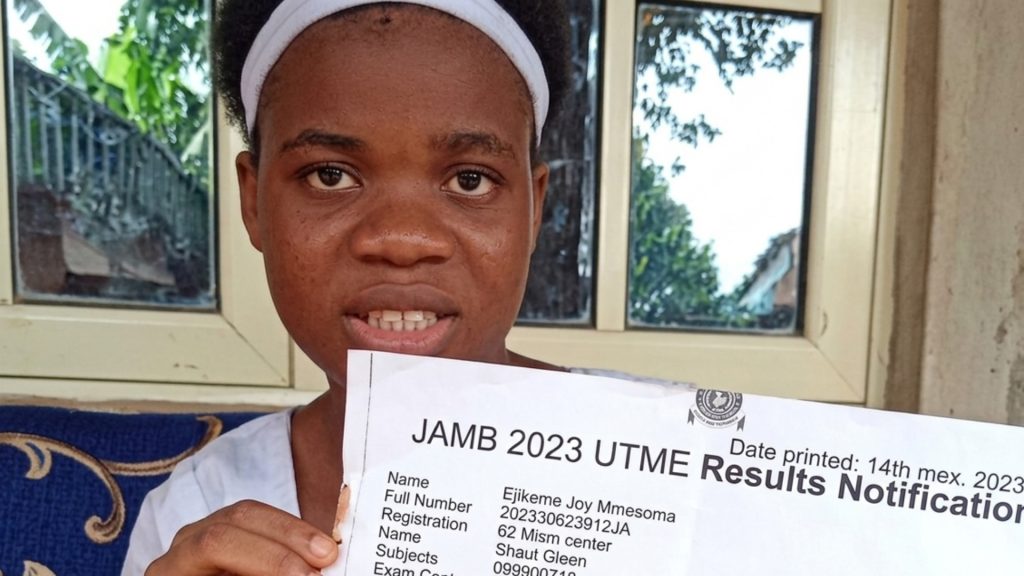
Mmesoma admitted to altering her result and publicly apologised, and her father also issued a public apology. Following this, the scholarship announced in her honour was withdrawn, and the Anambra State Government ordered her to receive counselling. JAMB acted swiftly to cancel the forged result and placed a three-year ban on her, preventing her from sitting for its exams until the sanction lapsed. This ban expires this July. 
SEE ALSO: Nigerian Students Bag 28 Medals at 2026 International STEM Olympiad in Italy
Where Things Stand Now
With her restriction ending, Mmesoma can finally register for the UTME again if she wishes to pursue a degree. However, at 22 years old, she will be starting over from scratch at an age when most of her peers are already preparing to graduate.
The three years since the scandal have been anything but calm for Nigerian education. Since 2023, the UTME system has come under serious scrutiny, with major glitches and complaints of inaccurate results in the 2025 administration leading to a re-sit for over 379,000 candidates and a rare public apology from JAMB Registrar Professor Ishaq Oloyede.
The irony wasn’t lost on Nigerians: the same body that banned a 19-year-old for manipulating her results was, two years later, forced to apologise for its own mistakes after technical glitches in 2025 led to a re-sit for more than 379,000 candidates.
SEE ALSO: Amarjeet Sada: The World’s Youngest Known Serial Killer
The Bigger Conversation
Mmesoma’s case was never just about one girl. It prompted a national dialogue about the pressure on young Nigerians posed by a university admissions system that relies heavily on a single exam score to determine future educational opportunities, and what this pressure can lead to.
She made a wrong choice. At 19, overwhelmed by family expectations, community attention, and high-stakes testing, her decision ended publicly and badly. The forgery, apology, scholarship withdrawal, and her three-year absence from the exam system are consequences she must live with. Whether this month signals a true new beginning depends entirely on what Mmesoma chooses to do next.

About The Author