



Many Nigerians continue to battle with unstable electricity supply, as frequent power outages leave homes, businesses and entire communities in darkness.
Across the country, many homes and businesses rely heavily on generators and solar systems to cope with the unreliable electricity supply.
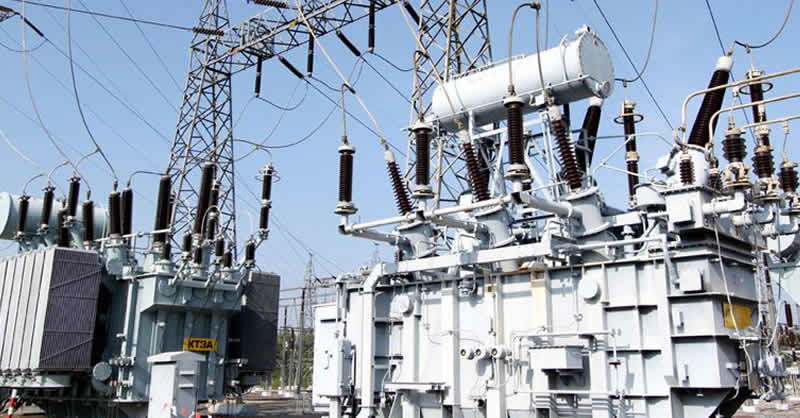
Electricity distribution companies say issues affecting Nigeria’s power generation and supply chain largely cause the problem. 
Gas Supply Shortages Affect Power Generation
According to the Ibadan Electricity Distribution Company (IBEDC), the current supply challenges are largely due to a drop in electricity generation nationwide.
In a statement released on Saturday, the company explained that gas supply shortages to power plants have significantly reduced electricity generation capacity across the country.
“The supply constraints being experienced across our network are mainly linked to gas supply shortages to power generating plants, which have significantly reduced electricity generation capacity nationwide,” IBEDC said.
Nigeria relies heavily on gas-fired power plants to produce electricity. When gas supply to any of these plants faces any form of disruption, electricity generation drops, leaving the national grid with less power.
ALSO READ: Which Nigerian States Have the Best Electricity? See the Top and Worst Performers
Growing Electricity Demand Across The Country
According to IBEDC, reduced generation has forced electricity distribution companies to implement load shedding, a system that rations the available electricity.
IBEDC also noted that electricity demand across many areas has increased significantly in recent months, while supply from the national grid has remained unstable.
“Despite the growing demand, energy allocation from the national grid has remained unstable and has witnessed periodic declines, thereby widening the gap between available electricity supply and the demand from customers,” the company stated.
Power Infrastructure And National Grid Challenges
Apart from generation shortages, Nigeria’s power sector also faces major infrastructure and transmission challenges. Transmission lines and power facilities across the country are outdated or operating far below their full capacity, reports say.
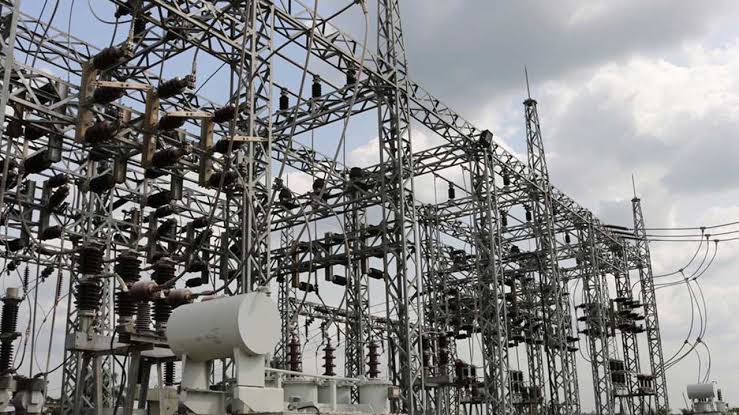
Frequent grid collapses have also contributed to the electricity crisis. When the national grid experiences a collapse, electricity supply is disrupted across many parts of the country until the system is restored.
Installed generation capacity stands above 13,000 MW; transmission infrastructure managed by the Transmission Company of Nigeria (TCN) can barely wheel 5,500 MW under optimal conditions.
According to a report by Business Day, much of the grid infrastructure dates back to the 1970s and 1980s, operating with obsolete transformers, fragile substations and overloaded transmission lines.
“As a result of these constraints, some communities within our franchise are experiencing supply shortfalls. We fully understand the frustration this has generated among our customers, and we sincerely apologise for the disruption to homes, businesses and economic activities,” IBEDC added.
The electricity shortages have already triggered protests in some communities, with residents demanding better power supply.
“The current supply challenges have understandably sparked protests in some communities within our franchise, with more communities threatening to protest. We appeal to our valued customers and communities to embrace dialogue rather than protests,” the company said.
IBEDC stated that it has been engaging community leaders and stakeholders while working with other players in the power sector to stabilise the national grid and improve electricity supply.
ALSO READ: Only 6 African Countries Have Uninterrupted Electricity – Find Out Which Ones
What’s The Government Doing?
In an effort to tackle Nigeria’s electricity challenge, the Federal Government has announced plans for a N100 billion solar power programme for public institutions across the country.
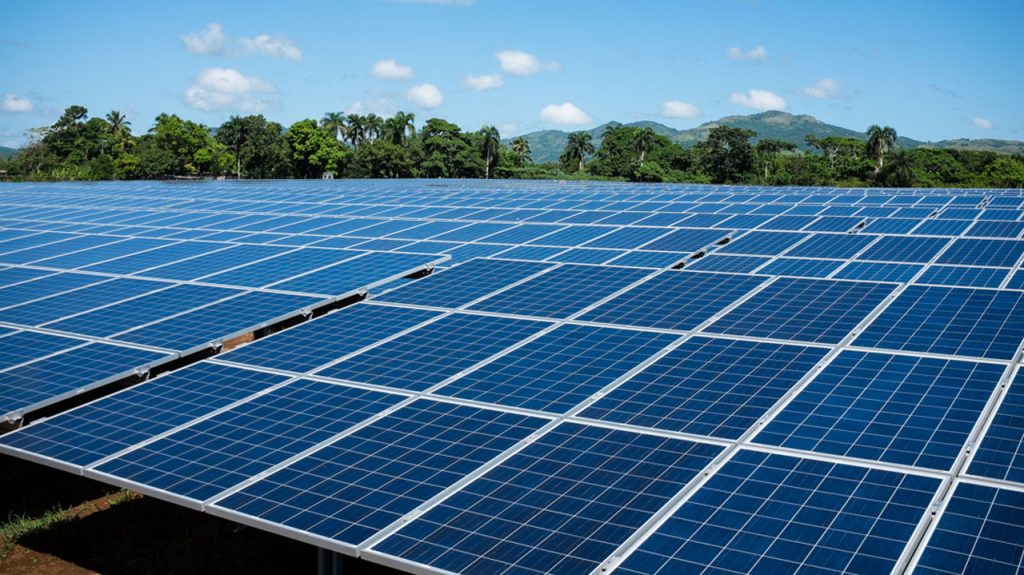
It is known as the National Public Sector Solarisation Initiative (NPSSI), the government will be giving out solar mini-grids and renewable energy plants to key government establishments such as universities, hospitals, and security agencies.
This initiative will provide more reliable power to these institutions, reduce their dependence on generators, and ease pressure on the national electricity grid.

About The Author