


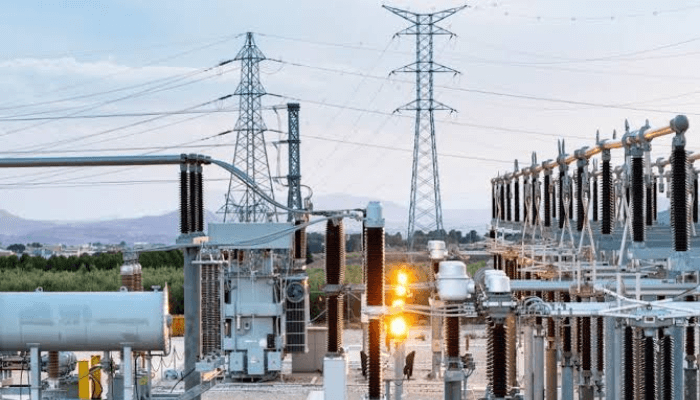
On Thursday, March 5, 2026, the grid manager announced that electricity generation on the national grid fell to 3,940.53 megawatts (MW) as of 5:00 am. This development follows the shutdown of many generating units due to inadequate gas supply. Since then, several households and industries have experienced power outages worse than usual.
The International Centre for Investigative Reporting states that Nigeria has an installed capacity of about 13,625 MW. Out of this capacity, only about 4,901 MW to 5,500 MW is generally available for distribution to the entire country.
Unlike many other African countries, Nigeria has long struggled with an unstable electricity supply from the government. The national grid frequently experiences one problem or another. This has led many residents to rely on generating their own power, which includes the use of fuel-powered generators, inverters, and solar panels. 
The 36 states, including the Federal Capital Territory in Nigeria, depend entirely on the country’s national grid for their electricity supply. While some states enjoy relatively better electricity, others have become accustomed to extremely poor supply.
Here are the top five states with the best electricity supply and five with the worst, according to the International Centre for Investigative Reporting & Nigeria Electricity Regulatory Commission.
READ ALSO: Aso Rock Switches to Solar — But What About Ordinary Nigerians?
5 States in Nigeria with the Best Power Supply
Lagos
Being the country’s biggest economic hub, Eko and Ikeja Distribution Companies (DisCos) supply electricity to Lagos and are part of the top performers in collection efficiency and stability. It receives 1,051 MW of electricity monthly, which is about 26% of the national distribution.
Federal Capital Territory (Abuja)
Abuja receives 435 MW through the Abuja Electricity Distribution Company (AEDC), which accounts for 10.8% of the monthly distribution of electricity.
Rivers (Port Harcourt)
The Port Harcourt Electricity Distribution Company (PHED) receives about 230 MW of electricity, which is distributed across Rivers, Bayelsa, Akwa Ibom, and Cross River states. Rivers, with its strong oil and industrial presence, remains one of the key energy-demand centres in the Niger Delta.
Abia (Aba)
Aba operates a relatively unique electricity structure through the Aba Integrated Power Project, managed by Aba Power. The system supplies electricity to Aba’s industrial clusters, especially its well-known manufacturing and trading hubs, providing more stable power compared to many parts of the country.
Ogun
Ogun is also a top electricity consumer in Southwest Nigeria, fuelled by major industrial hubs in Ota and Agbara. Power is primarily supplied by Ibadan Electricity Distribution Company (IBEDC), with additional coverage from the Ikeja network in Lagos.
READ ALSO: How to Make Your Prepaid Meter Units Last Longer
5 States in Nigeria with the Worst Power Supply
Jos
Jos, through the Jos Electricity Distribution Plc, receives 7% of the electricity supply from the National Grid, which is about 240 MW.
Kaduna
It receives an average of 8% daily, which is about 178 MW to 300 MW. Electricity is distributed through the Kaduna Electricity Distribution Company.
Kano, Katsina, and Jigawa
Through the Kano Electricity Distribution Company Plc, Kano receives between 270 MW and 300 MW from the National Grid. This supply is distributed to Katsina and Jigawa states also. Hence, these states face the worst supply, the lowest collection efficiency, and frequent outages.
Sources:

About The Author