


For millions of households and small businesses, power supply in Nigeria is a daily struggle and a luxury.
Blackouts are frequent, the national grid keeps failing, and electricity bills continue to rise. So when news broke that the Presidential Villa (Aso Rock) is disconnecting fully from the national grid, Nigerians felt angry and sad and didn’t hold back their reactions.
This announcement landed like a gut punch for many Nigerians. One Nigerian captured the reactions perfectly on X: 
“Bola really said stable electricity for me, no stable electricity for you.”
What Led to the Aso Rock Solar Switch?
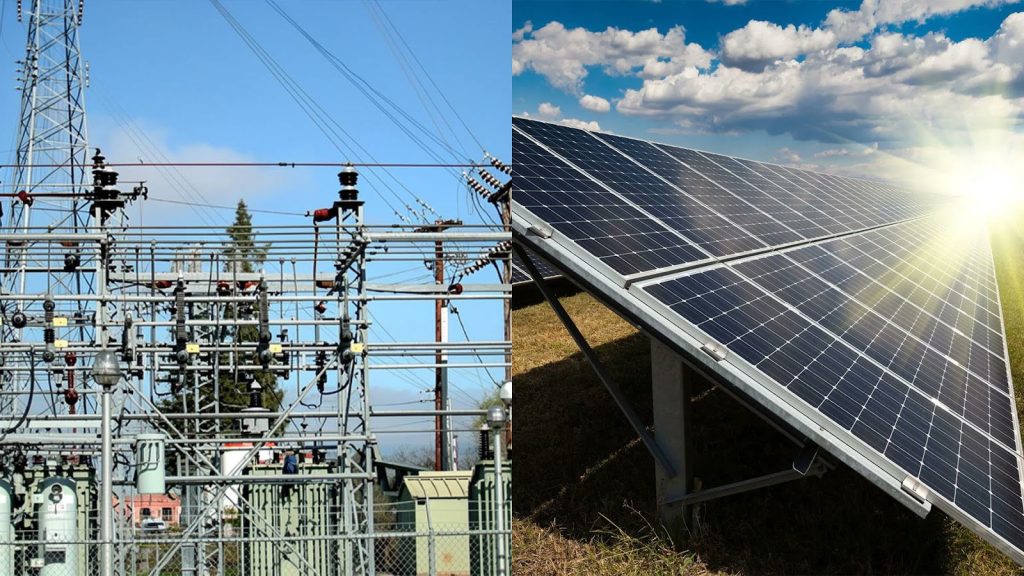
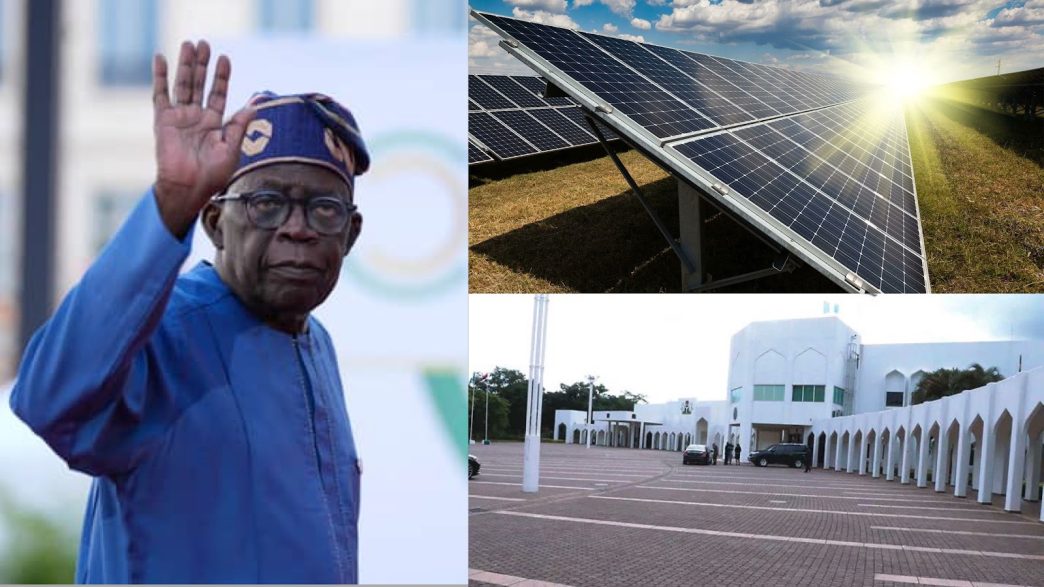
According to the State House Permanent Secretary, Temitope Fashedemi, Aso Rock completed the installation of its ₦10bn solar power system in December 2025. After months of testing, it is expected to go fully live by March 2026.
This means that the Villa will no longer depend on public electricity supply. Their reason? Cost savings and sustainability. The Director-General of the Energy Commission of Nigeria, Mustapha Abdullahi, defended the project in April 2025. He described it as unsustainable for the Villa to continue paying an estimated ₦47bn annual electricity bill.
If you think it ends here, hold that thought. Not long after, another piece of news broke that despite the project already being “completed”, the 2026 Appropriation Bill still contains an additional ₦7bn allocation for the same solarisation project.
What Happens to the Average Nigerian?
While this is good news for the powerful, the rest of the country is bracing for even more darkness.
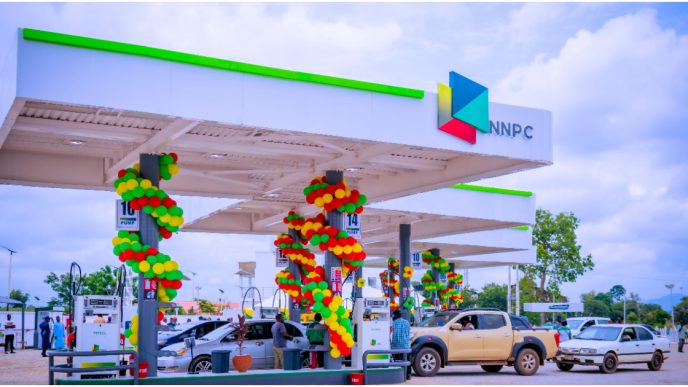
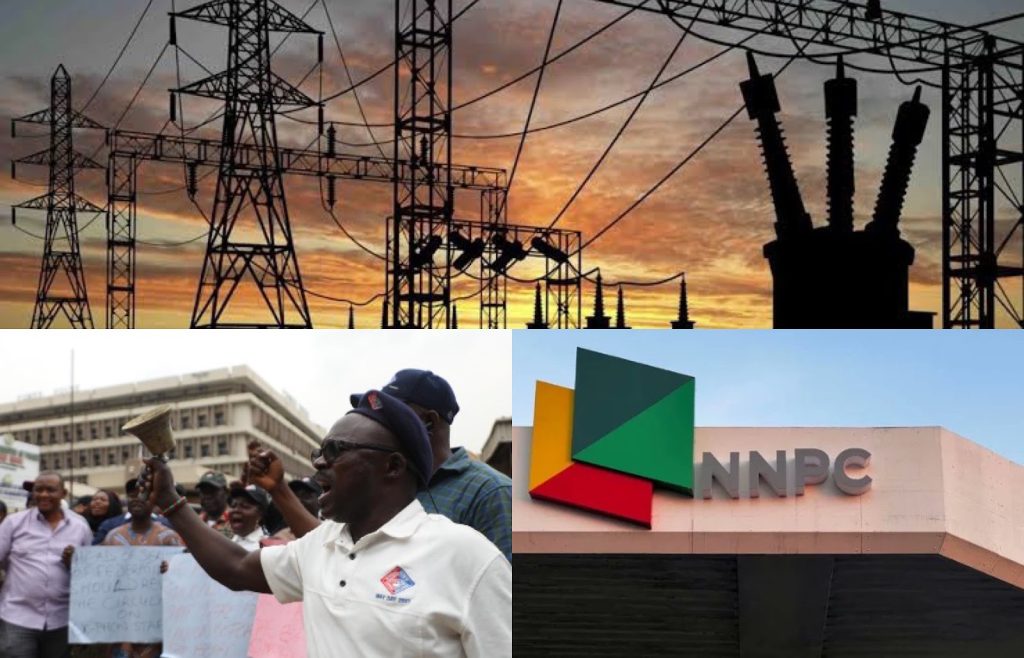
The Nigerian National Petroleum Company (NNPC) Ltd has announced that gas supply to power generation companies will drop temporarily from February 12 to 15, 2026. This drop will be due to scheduled maintenance by Seplat Energy Plc.
Since over 70% of Nigeria’s electricity generation depends on gas, the national grid is expected to experience another dip in supply. This comes on the back of repeated national grid collapses, including a total system failure in early 2026 that plunged the entire country into blackout.
ALSO READ: Only 6 African Countries Have Uninterrupted Electricity – Find Out Which Ones
To worsen matters, electricity workers under the National Union of Electricity Employees (NUEE) have issued a 21-day strike notice. This strike is over unpaid entitlements, poor working conditions, and labour violations. If this strike happens, it could further destabilise an already fragile power sector.
Lights Out
The Aso Rock solar switch means uninterrupted power for the presidency, but millions of Nigerians are left to face grid failures, rising tariffs, supply cuts, labour unrest, and energy uncertainty.
It appears stable power is becoming a privilege for the powerful, not a public service.

About The Author