



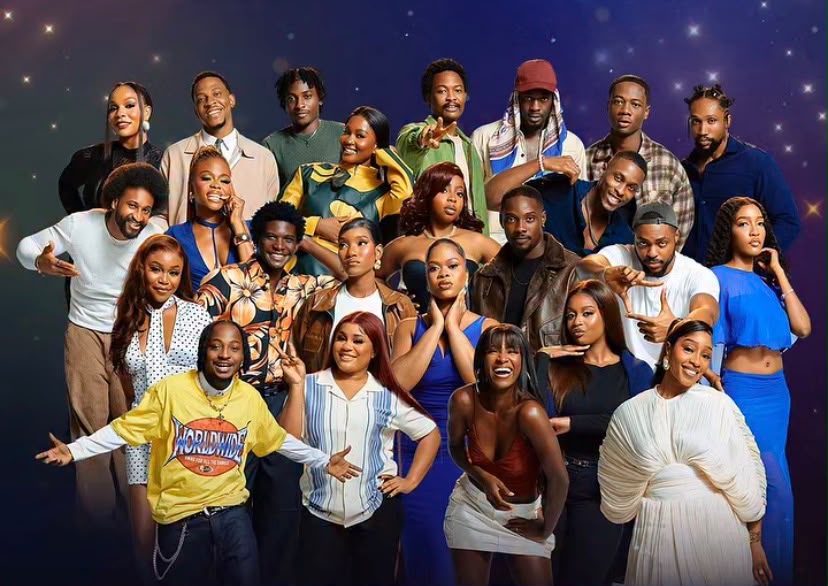
Every year, Big Brother Naija (BBNaija) ends, the housemates return to everyday life, and Nigerians begin debating the season.
Who deserved to win? Which housemates carried the show? Was the drama compelling enough? And, perhaps most importantly, has BBNaija lost its magic?
Since Season 11, tagged Show Ya Sef, ended on October 4, 2026, viewers have compared it with previous editions. Some believe the latest season failed to deliver the excitement they expected. Others question whether the franchise still commands the cultural attention it once enjoyed. 
The 2020 lockdown edition remains a major reference point in these discussions. For many fans, that season represents a high point in the show’s history.
These concerns deserve attention. BBNaija is a commercial entertainment product, and its producers should listen when viewers criticise its casting, tasks, storylines or overall presentation.
However, one question deserves consideration before anyone declares the show’s decline: are we comparing different seasons fairly?
Although BBNaija retains its familiar format, the circumstances surrounding its audience have changed considerably. Viewers now face different economic pressures, entertainment choices and viewing habits.
Therefore, comparing Season 11 directly with the lockdown edition without considering these differences could produce misleading conclusions.
Why BBNaija’s Lockdown Season Remains Difficult to Match
BBNaija Season 5, tagged Lockdown, premiered in July 2020 during the COVID-19 pandemic. Movement restrictions and disrupted routines changed how many people spent their time.
With more people staying at home, television and online entertainment became important sources of distraction and connection. BBNaija arrived at a moment when viewers had more opportunities to follow the housemates and participate in conversations about the show.
The season delivered romance, arguments, shifting friendships, memorable personalities and unexpected developments. Laycon eventually emerged as the winner, gaining a substantial following and becoming one of the franchise’s recognisable personalities.
The figures reported by MultiChoice help explain the season’s enduring reputation. According to the broadcaster’s official announcement, the edition recorded more than 900 million votes.
MultiChoice also reported over 60 billion digital impressions. The season broke Showmax’s live-streamed entertainment record at the time.
These figures demonstrate substantial engagement, but they require careful interpretation. Voting totals and digital impressions do not automatically reveal the number of unique viewers or how long people watched.
Nevertheless, the circumstances surrounding the season mattered. For many viewers, following BBNaija became part of their daily routine during an unusual period.
The pandemic alone does not explain the season’s success. Casting, personalities, storytelling and audience identification also played important roles. Still, it would be difficult to separate its popularity from the circumstances in which it aired.
Fans remember the housemates, but they also remember the period itself. That context matters when comparing the lockdown edition with Season 11.

READ ALSO: BBNaija Season 11 Highlights: The Shirts, Strikes and Fake Evictions That Defined Show Ya Sef
Audiences Have Changed, and Competition for Attention Has Increased
In 2020, a BBNaija fan could spend hours following conversations in the house, discussing nominations on social media and watching the evening’s highlights.
Today, that same viewer may be balancing work, family responsibilities, rising living costs, football, streaming services, podcasts, YouTube and TikTok.
Television now competes with a wider range of entertainment options. Consequently, viewers may have less time for long broadcasts, even when they remain interested in a programme.
Nielsen’s 2025 analysis of media fragmentation examined how audiences spread their attention across television, streaming platforms and social media.
In another June 2025 report, Nielsen found that streaming accounted for 44.8% of television usage in the United States in May 2025.
These American figures do not establish BBNaija’s Nigerian ratings. However, they illustrate the wider competition facing traditional television.
Viewers can follow BBNaija without watching every episode
Today’s fans can catch highlights, follow fan accounts or watch clips instead of sitting through entire episodes.
Some viewers may only tune in for nominations, Saturday night parties or the finale. Others may follow social media discussions without watching the live feeds.
Such viewers may still care about the show, even if their engagement differs from that of earlier fans.
Nigeria’s media environment also continues to evolve. The Reuters Institute’s Digital News Report 2026 describes a fragmented media landscape involving established broadcasters, digital publishers, social platforms and online creators.
Although the report focuses on news consumption, it provides context for understanding how audiences increasingly access content through different channels.
This shift creates a measurement challenge. Fewer viral arguments do not necessarily mean fewer viewers. Similarly, widely shared clips do not automatically prove that live viewership remains strong.
Without comparable audience data, social media activity alone cannot settle the debate.
Growing older can change viewing habits
Some viewers discovered BBNaija during their university years or early adulthood. At the time, following nominations, defending favourite housemates and debating relationships might have occupied hours each week.
Several years later, those viewers may have demanding jobs, businesses, partners, children and financial commitments.
They might still enjoy the show but follow it through highlights rather than watch every episode. Others may have lost interest altogether.
Both possibilities deserve consideration. Not every former viewer remains a fan, and not every change in viewing habits signals dissatisfaction with the programme.
Younger audiences may also discover the show through short videos and social media discussions. They may follow different housemates and express their enthusiasm on platforms used less frequently by older fans.
Therefore, the loudest voices online may not represent the entire audience. A quieter social media timeline does not necessarily mean fewer people are watching.
Season 11 Had Its Own Strengths, but Criticism Still Matters
BBNaija Season 11 should be assessed on its own merits. Changing audience habits do not excuse weak casting, repetitive tasks or unconvincing storylines.
If viewers found some housemates uninteresting or certain twists ineffective, producers should examine those concerns.
However, Season 11 also had a defining feature: uncertainty about the eventual winner.
Temi Nkem won the Show Ya Sef edition on October 4, 2026, securing 25.87% of the votes. First runner-up Aikou received 23.68%, according to figures released by the organiser.
The narrow gap suggests that the final contest was competitive rather than a runaway victory.
In some seasons, a housemate builds such a strong following that sections of the audience begin treating the finale as a formality. Season 11 offered a different dynamic, with the winner less certain to some viewers.
That uncertainty may have added tension. However, it does not prove that the entire season maintained strong engagement or delivered a satisfying viewing experience.
A close final vote cannot reveal how interested viewers remained throughout the competition. Producers must examine the whole season rather than rely on the finale alone.
The important questions include whether the tasks sustained interest, whether the housemates connected with viewers and whether the storylines gave audiences reasons to return.
SEE ALSO: BBNaija Season 11: Meet the 10 Finalists and What Makes Their Journeys Unique
Other reality television franchises offer useful lessons
BBNaija is not the only reality television franchise facing questions about longevity.
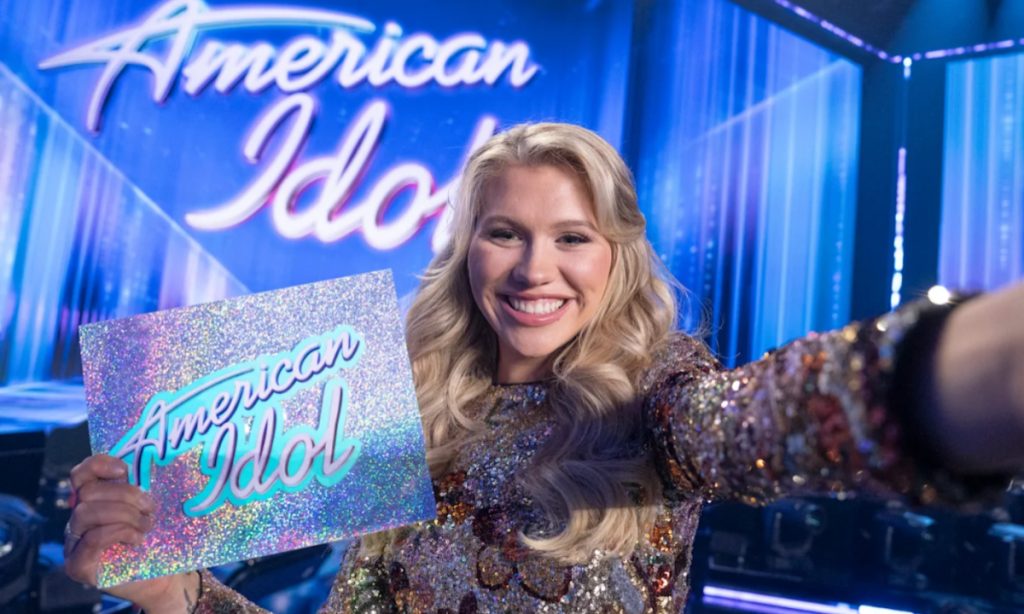
American Idol, which debuted in 2002, has adapted through changes in networks, judging arrangements and distribution. Its return to ABC in 2018 marked a new chapter after its original Fox run ended in 2016.
According to ABC’s February 2026 announcement, the latest season premiere attracted 8.27 million viewers across ABC, Hulu, Disney+ and digital platforms over three days. The broadcaster reported a 20% increase compared with the previous season’s premiere.
This does not mean American Idol has matched its historical peak. It shows that an established format can attract renewed interest when its presentation and distribution evolve.
Love Island offers another example of adaptation. Its audience engagement extends beyond broadcast episodes to streaming, companion programmes, social media and additional content.
In a September 2026 update, ITV reported more than 450 million streams for its reality programming during 2026. It also said Love Island had accumulated two billion streams across its series on ITVX.
These cumulative streaming figures cannot be compared directly with BBNaija’s ratings. However, they demonstrate how reality franchises can build engagement through multiple platforms.
The lesson is not that BBNaija should copy foreign programmes. Their formats, budgets, markets and measurement systems differ.
Rather, their experiences suggest that long-running reality shows must adapt to their audiences. Different editions may also resonate differently without necessarily signalling the death of the franchise.

Popularity Is More Than Voting Figures or Social Media Noise
Debates about BBNaija often become circular because people define success differently.
Some viewers focus on television ratings. Others consider voting totals, social media engagement, brand visibility, public conversation or the popularity of individual housemates.
These measures overlap, but they are not interchangeable.
A season could attract strong television audiences without generating constant online controversy. Another might produce viral moments while struggling to retain casual viewers.
Likewise, one contestant might dominate social media without representing the wider programme’s popularity.
Voting figures also require careful interpretation. They measure participation through available voting channels, not the total number of viewers. Where multiple votes are permitted, one person may contribute several votes.
Therefore, the Lockdown season’s 900 million votes cannot, on their own, establish that Season 11 performed poorly.
A fair assessment requires comparable data covering similar platforms, periods and measurement methods. Audience figures, voting data, streaming performance and engagement trends would provide a stronger basis for evaluating the franchise.
The same applies to claims that BBNaija has lost its cultural relevance. Such concerns may reflect genuine experiences, particularly among viewers who remember when the show dominated their social circles.
However, personal impressions cannot establish the programme’s overall reach.
Economic conditions also influence entertainment choices. Rising household expenses, transport costs and internet charges can affect how Nigerians spend their money and time.
Some viewers may still want to follow BBNaija but decide that a subscription is no longer a priority. Others may watch clips instead of paying for live-feed access or reduce the money they spend voting.
It would be simplistic to blame Season 11’s reception entirely on economic pressure without audience research. Nevertheless, these realities form part of the environment in which broadcasters compete.
Understanding audience behaviour requires asking not only whether people enjoy a programme, but also how and at what cost they access it.
READ MORE: BBNaija Season 11: Nomy Kicked Out After Defying Big Brother
What BBNaija Should Learn from Season 11
The end of Season 11 offers producers an opportunity to examine what worked, what failed and what viewers want next.
They should look beyond the loudest online complaints and most enthusiastic fan accounts. Audience research can help distinguish widespread dissatisfaction from the opinions of particularly vocal groups.
Comparable viewing data could reveal whether engagement is shifting between live television, streaming and social media. Feedback from former viewers could also explain why some people stopped watching regularly.
At the same time, producers should resist the temptation to recreate the lockdown season simply because it remains a popular reference point.
Nostalgia can be useful, but it can also become a creative trap. Repeating familiar casting choices or storylines may not reproduce the circumstances that made a previous season successful.
The audience and media environment have changed. Even fans who loved the lockdown edition may now want something different.
Nevertheless, the fundamentals remain important. Viewers still want compelling personalities, credible competition, memorable moments and enough unpredictability to make the next episode worth watching.
The challenge is to deliver these elements in a way that feels fresh rather than mechanically familiar.
Season 11’s result provides one point for reflection. However, the more important questions concern the entire competition.
Which moments attracted viewers beyond existing fan communities? Which twists strengthened the show, and which distracted from it? Did interest remain steady throughout the ten weeks, or did it rise and fall at particular points?
These questions can turn the annual post-season debate into a useful review of the programme.
Conclusion: Are We Comparing Apples to Oranges?
Comparing BBNaija Season 11 with the lockdown edition can help explain how the franchise has evolved. However, the comparison becomes misleading when it ignores the different circumstances surrounding each season.
The lockdown edition benefited from an unusual period in global history. Today’s viewers navigate a more fragmented entertainment landscape, changing personal responsibilities and different economic pressures.
That context does not automatically make Season 11 successful. Its casting, tasks, storylines and production decisions still deserve honest scrutiny.
If the evidence shows that the programme has weakened in particular areas, its producers should take those findings seriously.
However, declaring that BBNaija has lost its magic based solely on online conversations or comparisons with 2020 may be premature.
The lockdown edition may remain exceptional. Some later seasons may have made stronger creative choices than others. Season 11 may also have worked for some viewers while disappointing others.
These possibilities can coexist.
BBNaija does not need to recreate 2020 every year. Nor should producers expect viewers to remain the same people they were six years ago. The real test is whether the franchise can continue giving audiences compelling reasons to watch, discuss and return.
When comparing apples with oranges, the problem is not always that one fruit tastes worse. Sometimes, we must acknowledge that they are different fruits.
READ ALSO: BBNaija Disqualified Housemates : Why Kemen, Tacha, Erica, Nomy & Others Left

About The Author