


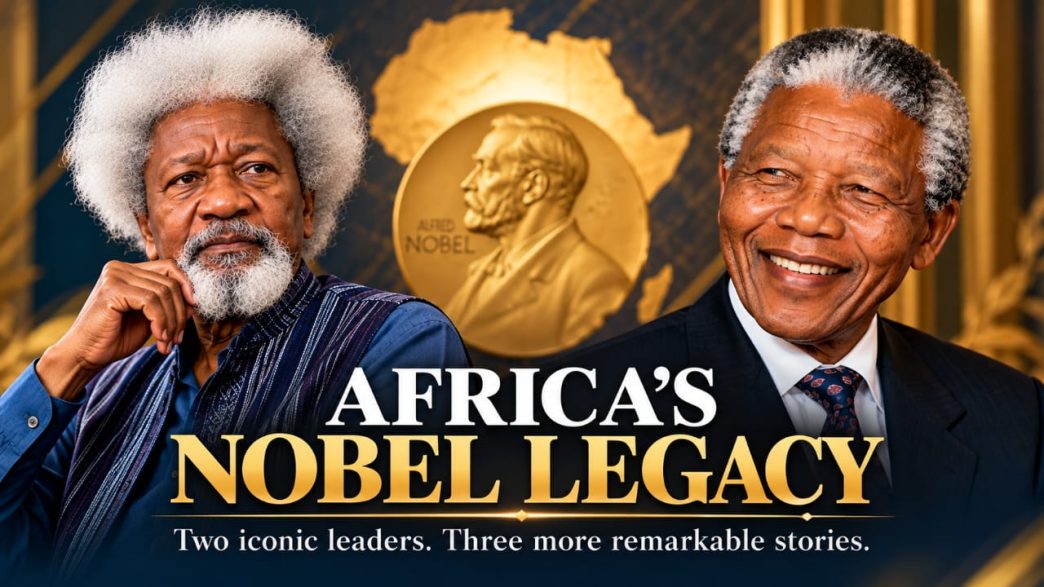
Every Nobel Prize tells a story. Behind each medal is a person whose work has changed how we see the world, challenged injustice or opened new doors for humanity.
The stories of African Nobel Prize winners are no different. From a Nigerian writer who used his words to challenge power to an Egyptian scientist who helped us understand the mysteries of chemical reactions, these five Africans have left their mark on literature, peace, science and international justice.
Their journeys remind us that Africa’s contribution to global history is not one story, but many. These are stories of courage, creativity, discovery and an enduring belief in what is possible. 
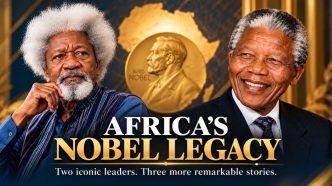
1. Wole Soyinka: An African Nobel Prize Winner Who Changed Literature
When Nigerian writer Wole Soyinka received the Nobel Prize in Literature in 1986, he became the first African to receive the honour in that category. The Swedish Academy recognised his writing for its broad cultural perspective and poetic force.
Born in Abeokuta, southwestern Nigeria, in 1934, Soyinka built a career as a playwright, poet, novelist and essayist. Drawing on Yoruba culture and mythology, his works explore power, oppression, corruption and human dignity.
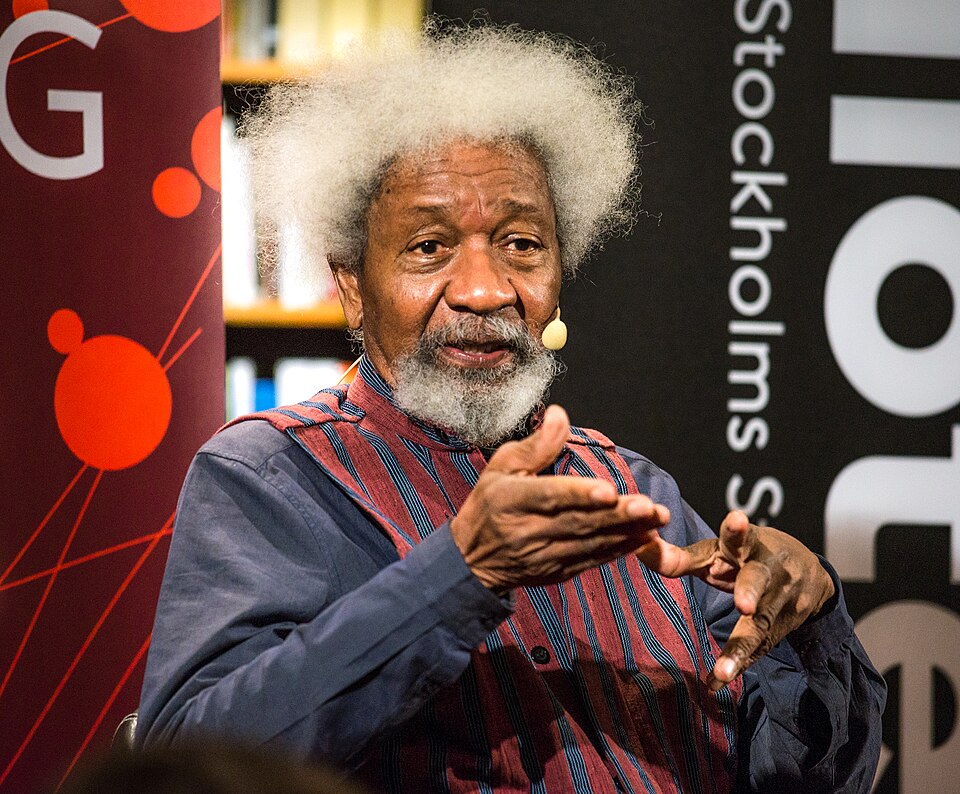
Beyond literature, Soyinka has challenged injustice and questioned those in authority. His outspoken opposition to abuses of power has sometimes come at a personal cost. This included his imprisonment during Nigeria’s civil war.
Soyinka’s Nobel Prize brought international attention to African literature. It highlighted the continent’s rich creative traditions and showed how stories rooted in local cultures can speak to universal human experiences.
2. Nelson Mandela: The Struggle for Freedom and Reconciliation
Nelson Mandela became a defining figure in the struggle against apartheid in South Africa. In 1993, he shared the Nobel Peace Prize with F.W. de Klerk, the president who worked with him towards a peaceful transition to democracy.
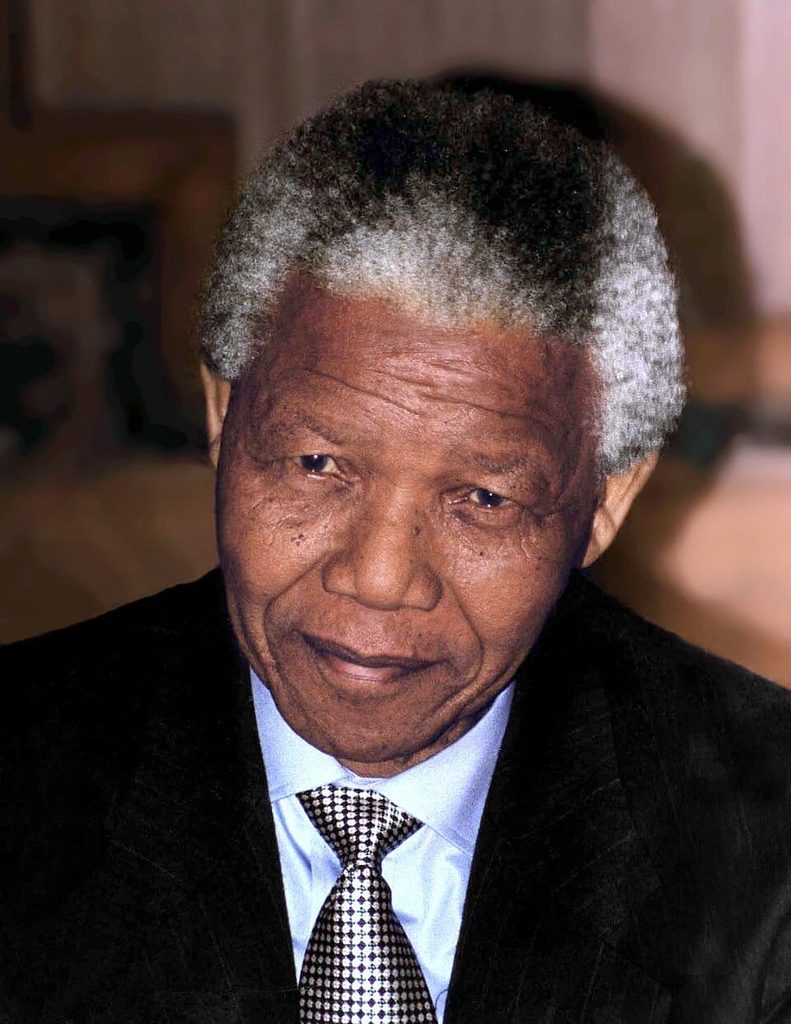
Mandela spent 27 years in prison for opposing apartheid, a system of racial segregation that denied the Black majority equal political rights. His release in 1990 paved the way for negotiations. Four years later, he became South Africa’s first Black president in the country’s first fully democratic election.
The Nobel Prize recognised their efforts to end apartheid peacefully. Mandela’s commitment to reconciliation helped a deeply divided country begin a new chapter. However, racial and economic inequalities did not disappear with the end of apartheid.
His legacy remains a lesson in leadership, compromise and the difficult work of building a more just society after prolonged conflict.
3. Wangari Maathai: The Woman Who Connected Trees with Peace
Kenyan environmentalist Wangari Maathai showed how protecting the environment could also address poverty, inequality and political exclusion.
In 2004, she became the first African woman to receive the Nobel Peace Prize for her contribution to sustainable development, democracy and peace.
Maathai founded the Green Belt Movement in 1977 to combat deforestation and support rural communities, particularly women. The movement encouraged tree planting, land restoration and the protection of natural resources on which livelihoods depended.
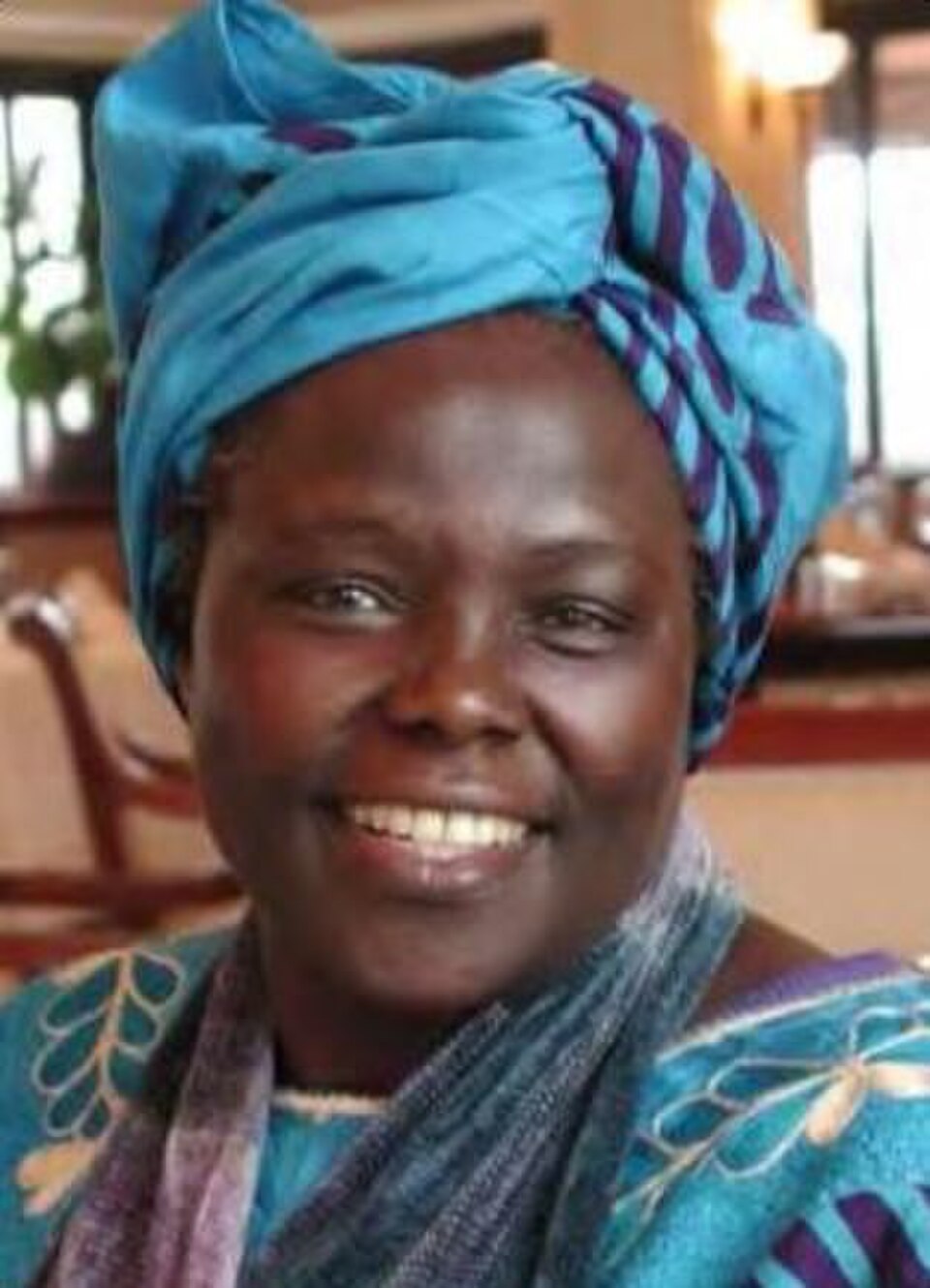
For Maathai, environmental destruction was more than an ecological problem. It could worsen poverty, threaten food security and deepen social tensions. Beyond environmental protection, she also challenged political repression and defended democratic rights, sometimes at personal risk.
Her Nobel Prize broadened the global understanding of peacebuilding. It showed that lasting peace requires more than an end to violence. People also need access to natural resources, protection of their rights and opportunities to live with dignity.
READ ALSO: The 4,000 -Year-Old Defence System Rewriting What We Know About Ancient Africa
4. Ahmed Zewail: The Scientist Who Made Chemical Reactions Easier to Observe
Egyptian-born scientist Ahmed Zewail transformed the study of chemistry through research that allowed scientists to observe chemical reactions as they unfold.
In 1999, he received the Nobel Prize in Chemistry for his studies of the transition states of chemical reactions using femtosecond spectroscopy.
Imagine trying to photograph an object moving too quickly for an ordinary camera to capture. Zewail used ultrashort laser pulses to study molecular changes occurring in femtoseconds—one quadrillionth of a second—giving researchers new insight into how chemical reactions take place.
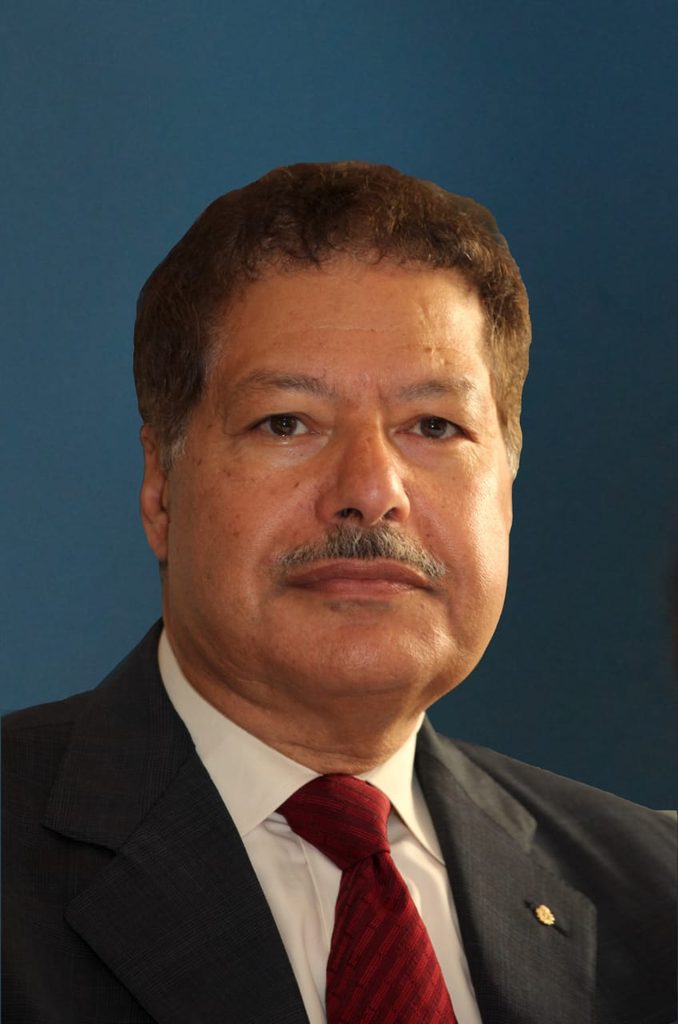
His work opened new possibilities for studying atoms and molecules. Although much of his scientific career took place in the United States, Zewail was born and initially educated in Egypt. His achievement showed how scientific research can deepen our understanding of the natural world and inspire future generations.
5. Navi Pillay: 2026 Nobel Peace Laureate
5. Navi Pillay: 2026 Nobel Peace Laureate
When South African jurist Navanethem “Navi” Pillay received the 2026 Nobel Peace Prize, it recognised more than a distinguished legal career. It honoured decades of work defending human rights and challenging discrimination. The Norwegian Nobel Committee recognised her efforts to promote peace and international law.
Born in Durban in 1941 to a family of Indian Tamil origin, Pillay grew up under apartheid. The system enforced racial segregation and denied the Black majority equal rights. Rather than accept the injustice around her, she became a lawyer. In 1967, she became the first woman to establish a law practice in Natal Province. She represented anti-apartheid activists and defended political prisoners, including Nelson Mandela.
Her influence later reached far beyond South Africa. Pillay served as a judge at the International Criminal Tribunal for Rwanda, where she helped shape a landmark 1998 judgment. The ruling established that rape and sexual violence could constitute genocide when committed with the intent to destroy a protected group. It marked an important development in international law and helped bring greater recognition to sexual violence as a serious international crime.
Pillay later served as a judge at the International Criminal Court from 2003 to 2008. From 2008 to 2014, she was the United Nations High Commissioner for Human Rights. Across these roles, she championed accountability for serious human rights violations and helped strengthen international legal institutions.
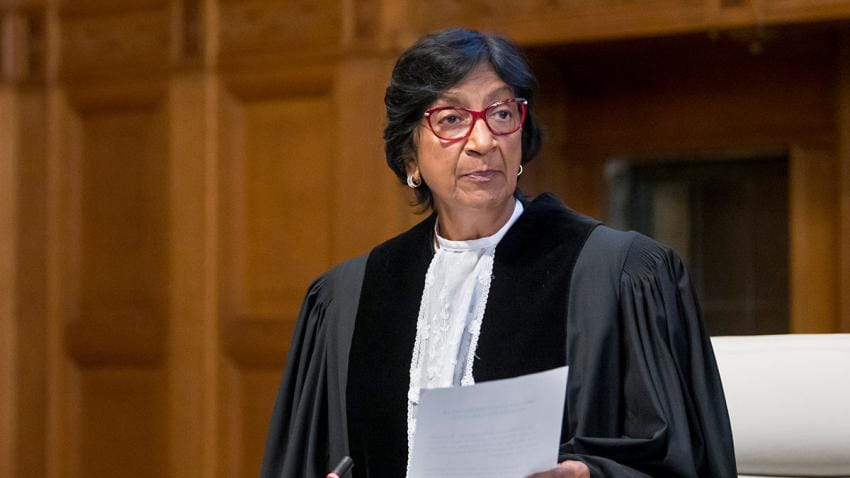
Her Nobel Peace Prize sends a powerful message: peace is not simply the absence of war. It also requires justice, the protection of human dignity and the courage to hold perpetrators accountable. For Africa, her achievement is a reminder that the continent’s contribution to global history includes not only political struggles, but also the people shaping international law and defending the rights of others.
What These Stories Tell Us About African Nobel Prize Winners
These five African Nobel Prize winners show how individuals can shape the world in different ways. Wole Soyinka championed African literature, Nelson Mandela advanced reconciliation, Wangari Maathai linked environmental protection with peace, Ahmed Zewail transformed the study of chemical reactions, and Navi Pillay championed international justice.
Their achievements challenge the idea that Africa’s global significance rests only on its resources or challenges. They remind young Africans that courage, creativity and commitment can influence the world and that the continent’s story is still being written.
For young Africans looking towards the future, these laureates offer different examples of what sustained commitment can achieve. Their paths were not identical, and their work did not solve every problem they confronted. Yet each made a contribution that reached far beyond personal success.
Ultimately, these African Nobel Prize winners show that lasting change can begin with a story, a struggle for justice, environmental action, scientific discovery or a commitment to peace.
Their journeys demonstrate how courage and dedication can influence the world beyond national borders.
Their legacies continue to inspire future generations of Africans to question, create, discover and build a better future.

About The Author