

Burkina Faso has just joined Nigeria and 17 other African nations on the list of African nations that have accepted the health funding package from the U.S under Trump’s America First Global Health Strategy.
The strategy, released on September 18, 2025, mainly focuses on fighting infectious diseases and preparing for future pandemics. It changes how the U.S. supports global health by making direct, short-term agreements with individual countries instead of broad, long-term aid plans.
These agreements focus on disease monitoring, general health security, and the supply of medicines for HIV, tuberculosis (TB), malaria, and polio. 
Under the plan, partner countries are expected to increase their own funding over five years so they can eventually handle their health programmes independently. At the same time, the U.S. will gradually reduce the amount of money it provides.
However, countries like Zimbabwe rejected Trump’s offer saying that it would require handing over essential information on their citizens.
According to the U.S. State Department and the KFF tracker, 19 African countries have signed or are in the process of signing, as of February 27, 2026.
African Countries that Accepted Trump’s First Global Health Strategy
Here are the countries that have agreed to the five-year-long health co-investment with the U. S:
1. Botswana
On December 23, 2025, Botswana signed the bilateral health compact with the U.S. to fund $106.0M, while Botswana co-invests $381.0M. It signed the pact to provide its needs in data systems, workforce strengthening, and self-sufficiency.
2. Burkina Faso
On February 25, 2026, Burkina Faso entered the health funding partnership, receiving $107.0M and committing $147.0M. Burkina Faso aims to make health safety stronger in the region, help local clinics and hospitals work better, and use better tools and computers to report diseases and run lab tests properly.
3. Burundi’s
Burundi’s health system relies on external partners for health and disease programmes and battles with low financing. It concluded the bilateral health funding agreement on December 23, 2025, involving $129.0M in support and $26.0M in local investment. According to the MOU, the agreement pledges support to resilient, self-reliant, and durable health systems.
4. Cameroon
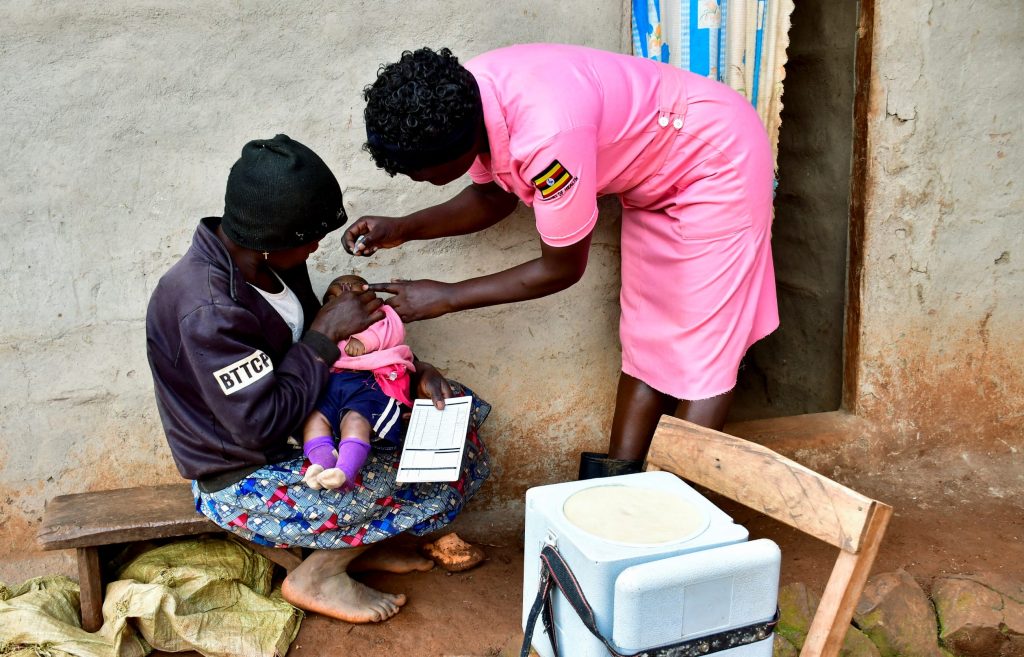
On December 16, 2025, Cameroon and the U.S. formalised the health funding partnership worth $400.0M, with Cameroon pledging $450.0M. Cameroon, which relies on external financing and is also affected by HIV, malaria, and TB, aims to increase control and close gaps between data systems.
5. Côte d’Ivoire
Côte d’Ivoire battles with maternal and child mortality and also relies on external funding for health programmes. It pledged $450.0M of its own resources after signing a $450.0M bilateral health agreement with the U.S. on December 30, 2025.
6.Democratic Republic of the Congo
The Democratic Republic of the Congo (DRC) accepted the funding package worth $900M, while the DRC pledged to co-invest $300M. The country often faces dangerous disease outbreaks like Ebola and measles; many women and children die from preventable causes, and a lot of people cannot easily access proper hospitals or medical care.
7. Eswatini
On December 12, 2025, Eswatini (formerly Swaziland) pledged $37.0M in co-investment, while the U.S. agreed to $205.0M. Eswatini has a very high number of people with HIV and not enough doctors, nurses, hospitals, and medical equipment and has depended a lot on U.S. aid, which has changed under the new plan.
It aims at improving health data, tracking diseases better, preventing and treating HIV, and making the health system stronger so the country can manage on its own in the long term.
8. Ethiopia
Ethiopia has a large health system but still struggles with infectious diseases, inaccessibility to hospitals, and many maternal/child deaths from preventable causes. Recently, it also had to handle Marburg virus outbreaks.
On December 26, it signed the health strategy for $1.0B with the U.S. and co-invested $450.0M. It plans to train more health workers, track diseases better, and improve sustainability.
9. Guinea
Guinea joined the list on February 27, 2026. The U.S. shall provide $91.0M over the period of five years, while Guinea co-invests $51.0M.
Like many other countries on the continent, Guinea relies heavily on external support when it comes to health and disease programmes. It suffers from persistent challenges in malaria, polio surveillance, maternal and child mortality, and limited lab capacity.
ALSO READ: Ghana, Rwanda, Eswatini and Other African Countries Trump is Dumping His Deportees
10. Kenya
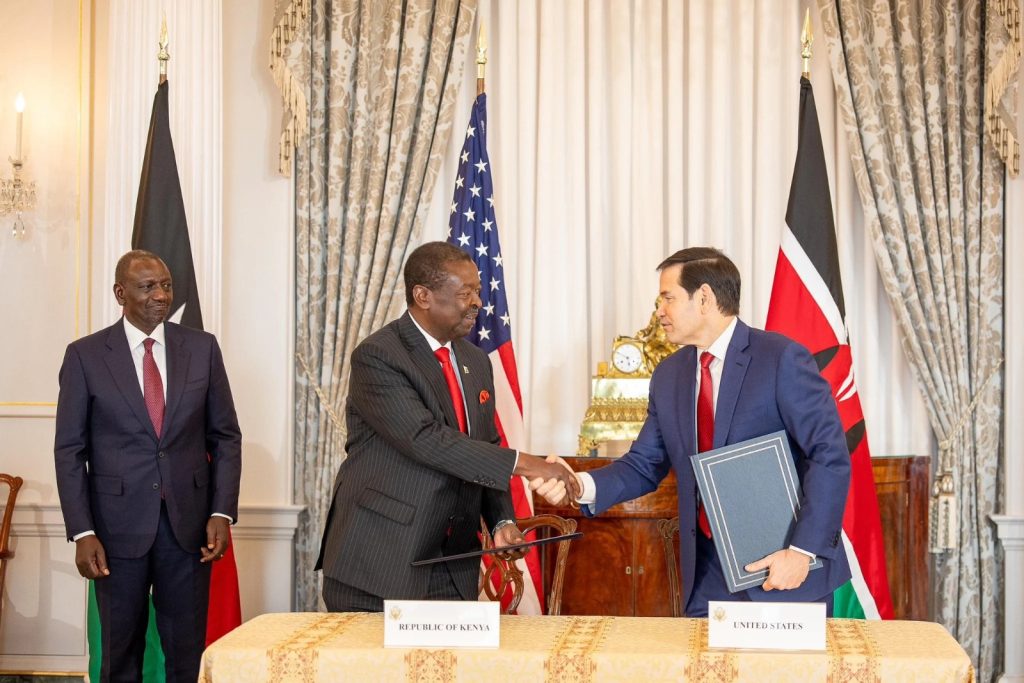
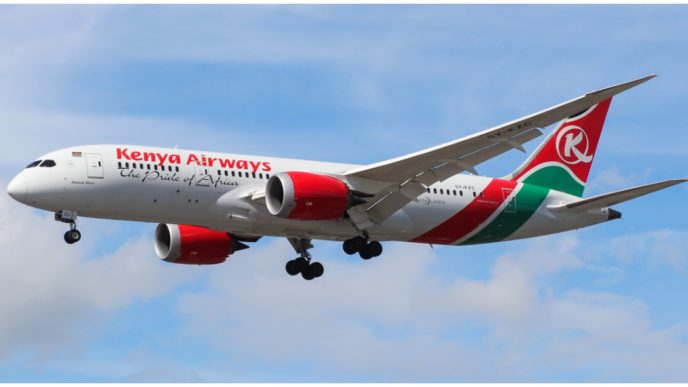
Kenya was the first African nation to sign the pact on December 4, 2025. The U.S. pledged $1.6B in support of its health system, and Kenya co-invested $850M.
Tuberculosis was the fourth leading cause of death in Kenya and has increased sixfold in the last 15 years, according to the Centre for Health Solutions—Kenya, which makes signing the pact a huge plus for the nation.
11. Lesotho
On December 10, 2025, Lesotho signed to get $232.0M in health funding, while it is expected to contribute $132.0M in domestic health spending during the pact period.
According to the Lesotho News Agency (LENA), “The agreement provides for the establishment of robust data systems capable of monitoring potential outbreaks and assessing broader health outcomes, and it further outlines U.S. technical assistance to support the Government of Lesotho as it assumes increased responsibility over key health system management functions.”
12. Madagascar
On December 22, 2025, Madagascar signed in acceptance of $134.0M from the U.S., while they co-invest $41.0M. According to the Centres for Disease Control in 2024, Madagascar’s public health system is underfunded and historically reliant on external partners; challenges include high malaria incidence, gaps in maternal and child services, and limited disease surveillance capacity.
13. Malawi
Malawi has a health system that is resource-constrained with heavy burdens from HIV, malaria, and TB and has usually relied on external support for disease programmes and essential services.
On January 14, 2026, it signed the pact for the U.S. to fund it $792.0M while agreeing to increase domestic health spending by about $143.8 million during the term of the MOU.
14. Mozambique
Mozambique joined the list on December 15, 2025. Mozambique, which has one of the highest cases of HIV in Southern Africa and ongoing challenges in TB, malaria, workforce shortages, and access to care, agreed to the U.S. funding of about $1.8B while it contributes $70.6M from government revenue.
15. Niger
Niger signed the five‑year bilateral health cooperation MOU under the America First Global Health Strategy in Niamey on February 26, 2026. The health system of Niger is largely reliant on external partners for key services.
It currently faces major problems from malaria, maternal/child mortality, a limited workforce, and accessibility. The agreement includes initiatives to expand digital health systems and strengthen surveillance used to detect and respond to disease outbreaks. The U.S. is to fund about $107.4M over five years, while Niger co-invests approximately $71.9M.
16. Nigeria
Nigeria, being the country with the largest population, faces problems of mixed public health outcomes, such as poor control of infectious and non-communicable diseases.
It signed the pact valued at $2.1B on December 20, 2025, and will co-invest $3.0B over the period of five years in its health system.
17. Rwanda
Rwanda joined Kenya on December 5, 2025, as the second African nation to sign the pact. Compared to other nations on the continent, Rwanda has relatively strong outcomes for HIV and maternal health. The U.S. funding is worth $157.8M, while it contributes $70.6M over five years.
18. Sierra Leone
Sierra Leone signed the pact on December 22, 2025, in Freetown. It plans to use the U.S. funding of $129.0M to reduce deaths from priority diseases, lower maternal/under‑five mortality, expand near‑universal HIV testing and treatment, and strengthen outbreak detection and response. It is also expected to contribute $44.0M to this effect.
19. Uganda
Uganda signed on December 18, 2025, to receive funding of about $1.7B while it co-invests approximately $500.0M. According to the MOU, the agreement aims to strengthen institutional capacity, health workforce integration, data systems, and outbreak response.

About The Author