



A Budget Line That Has Nigerians Talking
As debate over Nigeria’s 2026 federal budget continues, one provision has attracted particular attention: a proposed allocation of about N400 billion for the construction and renovation of mosques, palaces and community halls.
The proposed expenditure is contained in the 2026 Appropriation Bill before the National Assembly. It has sparked debate over whether such projects should rank among the government’s priorities at a time when many households continue to grapple with inflation, unemployment and rising living costs.
Supporters say some of the projects will promote community development and preserve cultural heritage. Critics, however, argue that the funds could have a greater impact if invested in healthcare, education, agriculture and critical infrastructure. 
Why the Proposed Allocation Is Raising Questions
The debate goes beyond community projects. Many Nigerians are also questioning the size of the proposed allocation and whether it reflects the country’s most pressing needs.
Millions of Nigerians continue to grapple with high food prices, rising transport costs and declining purchasing power. Against that backdrop, many have questioned the proposed allocation. They argue that spending about N400 billion on mosques, palaces and community halls may not be the best use of limited public funds.
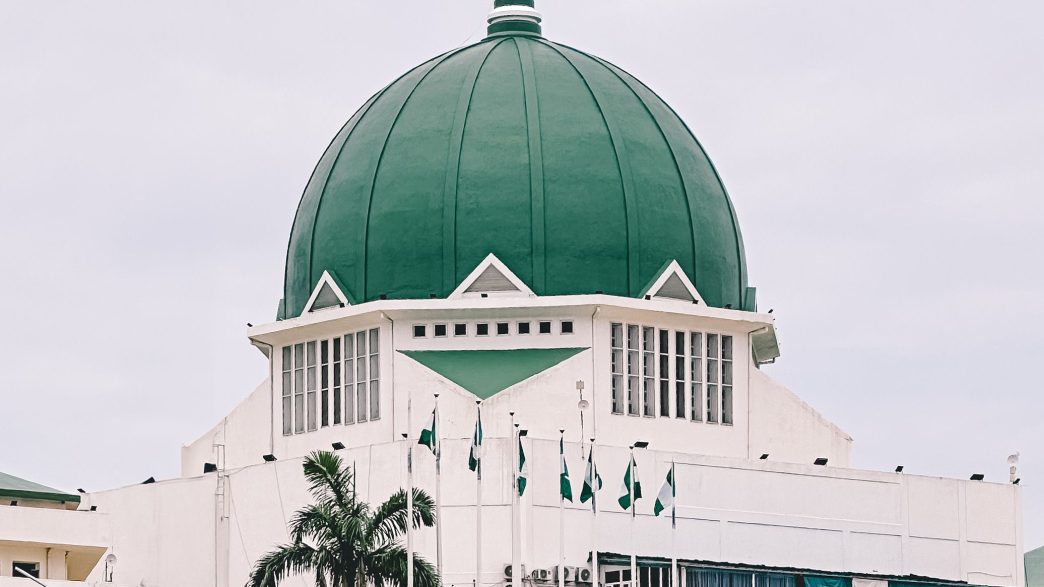
The controversy has also renewed questions about how governments set spending priorities. It has highlighted the National Assembly’s role in scrutinizing major budget allocations before approving the national budget.
Supporters See Community Value
Supporters of the proposed allocation argue that community projects can deliver benefits beyond their immediate purpose. They say community halls provide spaces for town hall meetings, youth programmes, skills acquisition workshops, emergency response activities and other events that bring residents together.
They also describe traditional palaces as more than ceremonial buildings. In many communities, they serve as centres for cultural preservation, dispute resolution and engagement between traditional rulers and residents. Some also attract visitors during festivals and cultural events, helping to promote local tourism and preserve Nigeria’s cultural heritage.
Religious buildings, they add, often support community development by hosting educational programmes, humanitarian initiatives and social services. They argue that investing in such facilities can strengthen community cohesion, especially in areas with limited public infrastructure.
Even so, supporters acknowledge the public concerns surrounding the proposed allocation. They say the government should clearly explain the objectives, expected outcomes and selection process for the projects. Greater transparency, they argue, would help Nigerians determine whether the expenditure represents value for money.
Nigerians Voice Mixed Reactions
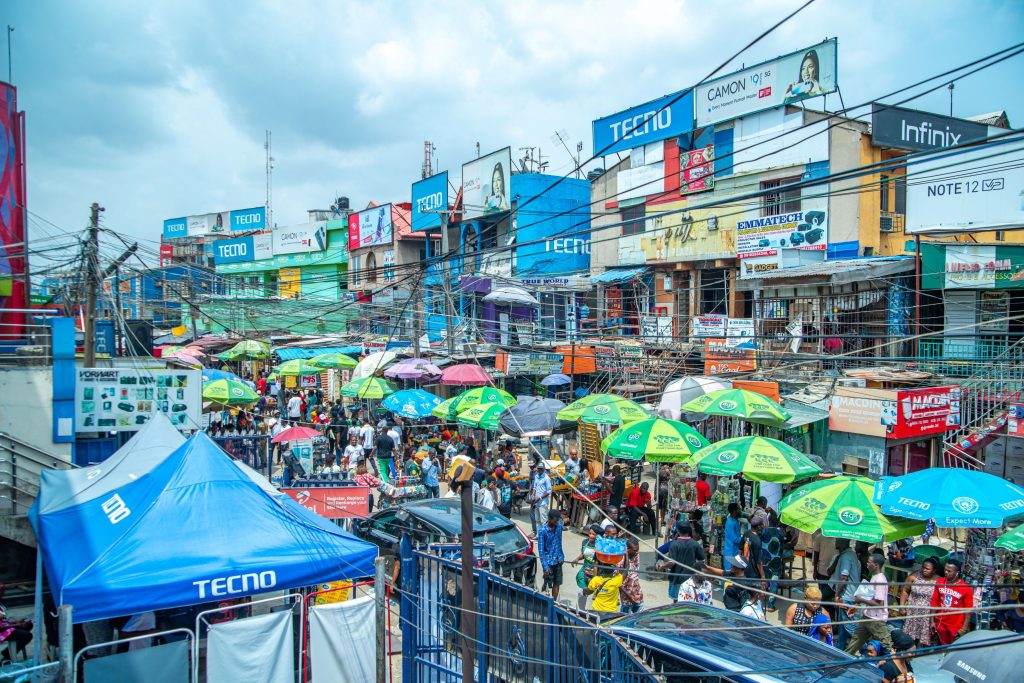
The proposed allocation has sparked widespread debate, with Nigerians expressing differing views on the government’s spending priorities.
Many argued that public funds should be directed toward sectors with a more immediate impact on citizens’ lives, including healthcare, education, electricity, agriculture and job creation. They said prioritising these areas would better address the economic challenges facing millions of Nigerians.
Others welcomed the inclusion of community projects in the budget, saying they also contribute to local development and should not be overlooked. They maintained that such investments could strengthen communities and preserve important cultural institutions.
The debate reflects broader concerns about transparency, accountability and how public resources should be allocated, particularly as many Nigerians continue to grapple with rising living costs.
READ ALSO: Policy Fatigue? Why Government Reforms in Nigeria Are Facing Growing Public Skepticism
Experts Renew Calls for Accountability
The debate has also renewed calls for greater accountability in Nigeria’s budgeting process, with public finance analysts urging lawmakers to subject every major allocation to careful scrutiny before approving the 2026 Appropriation Bill.
According to the analysts, transparent budgeting helps ensure that public funds are directed toward projects that deliver measurable economic and social benefits. They argue that every allocation should be backed by clear objectives, realistic implementation plans and tangible outcomes for citizens.
Several civil society organizations have echoed these concerns, calling on the National Assembly to thoroughly examine significant budget provisions and demand detailed justifications from the ministries, departments and agencies seeking the funds. They maintain that stronger legislative oversight is essential to promoting transparency, improving public confidence and ensuring value for taxpayers’ money.
Budget Oversight Remains Critical
Budget experts say effective legislative oversight is essential to ensuring that public funds are spent responsibly and in line with national development priorities.
They urge members of the National Assembly to carefully scrutinise significant budget allocations, seek detailed explanations from ministries, departments and agencies, and assess whether the proposed projects offer value for money before approving the final budget.
According to the experts, a transparent review process not only strengthens public confidence in government spending but also helps ensure that scarce public resources are directed toward projects with the greatest potential to improve citizens’ lives.
What Happens Next?
The proposed allocation remains subject to legislative scrutiny as the National Assembly continues its consideration of the 2026 Appropriation Bill.
During the budget defence process, lawmakers are expected to question the affected ministries, departments and agencies before deciding whether to retain, amend or remove individual budget items.
Regardless of the final outcome, the debate over the proposed N400 billion allocation has drawn renewed attention to how public funds are prioritised in Nigeria. It has also underscored growing public interest in greater transparency and accountability in government spending.
As lawmakers continue deliberations, many Nigerians will be watching closely—not only to see what becomes of the controversial allocation, but also to determine whether the final budget reflects the country’s most pressing economic and social priorities.

About The Author