



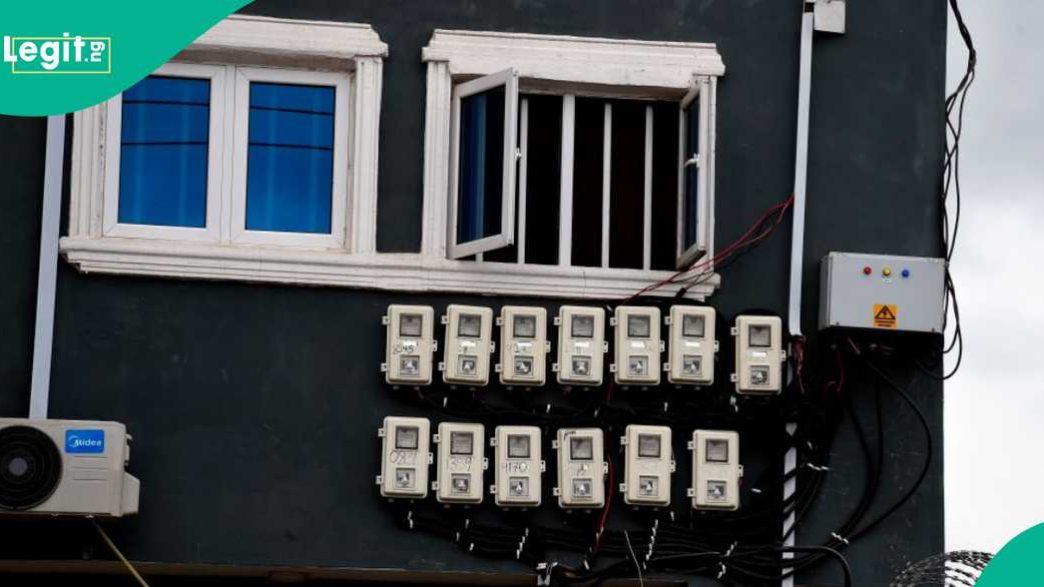
The Federal Government‘s latest clarification on electricity tariff reforms has once again ignited conversations about the country’s broader reform agenda.
After reports suggested that cost-reflective electricity tariffs would gradually be extended beyond Band A customers, the Presidency clarified that there are no plans to increase electricity tariffs for any category of grid-connected consumers. The clarification, however, did little to slow a wider public debate about government reforms and how they are communicated.
For many Nigerians, the issue goes beyond electricity tariffs. 
It reflects what appears to be a growing pattern in which almost every major government reform—whether economic or social—is now greeted with skepticism rather than optimism.
From fuel subsidy removal and exchange-rate reforms to electricity pricing and recent proposals to regulate activities such as hawking and preaching in commercial vehicles, many Nigerians now approach new government policies with one immediate question:
“How will this affect my daily life?”
Why the Debate Continues
The latest debate over electricity tariffs is not simply about electricity bills.
Government officials say improving the financial sustainability of the power sector is necessary to attract investment, strengthen electricity supply and reduce pressure on public finances. They have also stressed that there are currently no plans to increase electricity tariffs for any category of grid-connected customers and that vulnerable households will continue to receive government support.
For many Nigerians, however, the clarification did little to erase memories of fuel subsidy removal.
Although the Presidency says no tariff increase is planned, the public reaction highlighted how quickly concerns about rising living costs can shape perceptions of new government policies. For many households already grappling with inflation, even the possibility of higher electricity costs was enough to trigger widespread debate.
When One Reform Follows Another
Viewed individually, many of the government’s reforms have clear policy objectives.
Fuel subsidy removal was presented as a way to reduce wasteful spending.
Exchange rate reforms were introduced to improve transparency in the foreign exchange market.
Electricity sector reforms have been presented as part of efforts to build a more financially sustainable power sector while improving investment and service delivery.
More recently, lawmakers also approved a bill proposing penalties for hawking, trading and preaching inside commercial vehicles, another policy that quickly generated public debate.
Taken together, however, these developments have created what many Nigerians describe as a sense of reform fatigue.
For many citizens, each new announcement is no longer viewed in isolation. Instead, it is measured against the cumulative financial and social pressures they already face.
Why Nigerians Are Becoming More Skeptical
Public resistance does not always mean people oppose reform itself.
For many citizens, the concern is whether the benefits will outweigh the sacrifices.
A trader pays more to transport goods. A commercial driver spends more on fuel. Small business owners grapple with higher electricity costs. Many families also face rising food and household expenses, according to recent data from the National Bureau of Statistics (NBS).

Against this backdrop, every new government announcement is increasingly viewed through the lens of personal survival.
Rather than asking whether a policy is economically sound, many Nigerians first ask whether they can afford its immediate consequences.
The Government’s Response
The Federal Government’s latest clarification on electricity tariffs has once again brought its broader reform agenda into public focus.
Government officials have consistently argued that difficult economic decisions are necessary to secure Nigeria’s long-term future. According to the administration, reducing distortions in the economy, encouraging private investment and improving the financial sustainability of key sectors are essential steps toward long-term growth.
Following public reactions to reports suggesting an expansion of cost-reflective electricity tariffs, the Presidency clarified that the Federal Government has no plans to increase electricity tariffs for any category of grid-connected customers. Officials said earlier comments by the Special Adviser to the President on Power Infrastructure, Sadiq Wanka, had been misinterpreted and reiterated that the government remains committed to protecting vulnerable households through continued tariff support while pursuing broader reforms in the power sector.
The clarification also underscored the importance of improving liquidity and attracting investment in Nigeria’s electricity sector, while maintaining that consumer protection remains a key consideration as reforms continue.
However, many Nigerians say they will judge government policies less by official assurances than by their impact on monthly electricity bills, the reliability of power supply and whether the promised improvements eventually become visible in their daily lives.
More Than Economics
Public skepticism is no longer limited to economic policies.
Recent proposals to regulate activities such as hawking, trading and preaching inside commercial vehicles also triggered widespread reactions online, with many Nigerians questioning whether such measures should take priority over pressing concerns like inflation, unemployment and insecurity.
The reaction reflected something larger than the policy itself. It suggested that many citizens now approach new government initiatives with caution rather than confidence.
Winning Public Trust
Nigeria’s economic challenges require bold decisions, and few people expect meaningful reforms to come without some level of sacrifice.
Yet the growing skepticism surrounding almost every new government policy suggests that the debate is no longer only about economics.
It is also about confidence.
Successful reforms require more than sound economic policies. They also require public confidence.
Citizens are generally more willing to accept difficult decisions when they understand why they are necessary, believe they are being implemented fairly, and can see measurable improvements in their daily lives.
For many Nigerians, rebuilding trust will depend not only on government communication but also on visible results—more reliable public services, greater economic stability and tangible improvements in living standards.
The Bigger Challenge
Nigeria’s economic challenges require bold decisions, and few people expect meaningful reforms to come without some level of sacrifice.
Yet the growing skepticism surrounding almost every new government policy suggests that the debate is no longer only about economics. It is also about confidence.
As new reforms continue to emerge, the Federal Government’s greatest challenge may not simply be introducing policies. It may be convincing citizens—through consistent communication and measurable results—that today’s sacrifices will lead to lasting improvements in their daily lives.

About The Author