


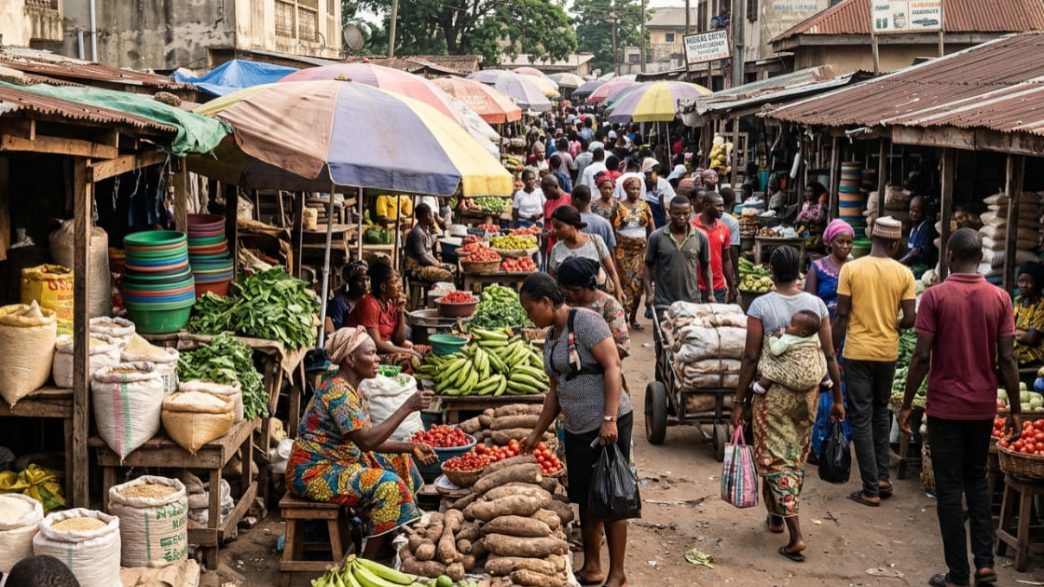
In Igbo tradition, a name can preserve a child’s birth day, family history and community identity. Names such as Okeke, Okafor, Nwoye, Okorie, Okoye, Okonkwo and Nwankwo are commonly connected to the four Igbo market days: Eke, Orie, Afo and Nkwo.
The four Igbo market days
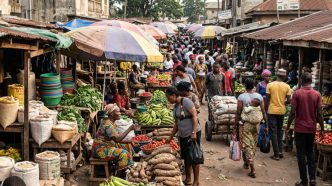
The traditional Igbo calendar is commonly organised around a four-day cycle: Eke, Orie or Oye, Afo or Afor, and Nkwo. These were not only trading days. They also shaped travel, farming activities, community meetings, ceremonies and religious observances.
The order in which communities begin the cycle, the spelling of each day and the customs attached to them can differ. A 2026 study of Igbo names in Genealogy likewise stresses that names can carry ancestry, social experience and community identity across different Igbo settings. 
ALSO SEE: Outrageous ₦12 Million Bride Price Exposes Crisis in Nigerian Matchmaking
Naming is also a community and spiritual tradition
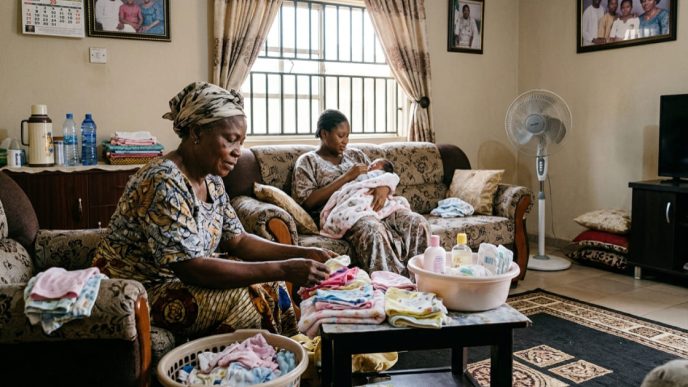
An ethnographic study of the Igbo naming ceremony by Chinwe Miriam Agatha Nwoye describes naming as a communal rite involving family and the wider social world. A market-day name could therefore commemorate a birth, express a family’s connection to the day’s spiritual meaning or preserve an ancestral association.
Igbo communities do not all practise these traditions in exactly the same way. Some attach particular observances or spiritual ideas to specific days, while others place greater emphasis on trade, farming or social gatherings. It is more accurate to describe a shared cultural framework with local interpretations than to present one custom as universal.
Why Okeke, Okafor and Nwoye can be surnames
Many market-day names began as personal names but later became inherited family names. That means a person called Okafor may carry an ancestral connection to Afo without having been born on Afo day. The same applies to Okeke, Nweke, Nwoye, Okorie, Okonkwo and Nwankwo.
Market-day names have also survived in place names, literature and family histories. They show how the old calendar linked commerce with belonging, memory and identity.
Eke, Orie, Afo and Nkwo were more than points on a trading schedule. They helped organise time, movement, social life and ceremony in many Igbo communities. Names such as Okeke, Okafor and Nwoye carried that cultural rhythm into personal identity.
Their spellings and meanings may vary by dialect and community, but the central idea remains: an Igbo name can preserve the day, family and social world into which a person was born.
READ ALSO: From Benin Bronzes to Sacred Manuscripts: Africa’s Long Journey to Reclaim Its Heritage

About The Author