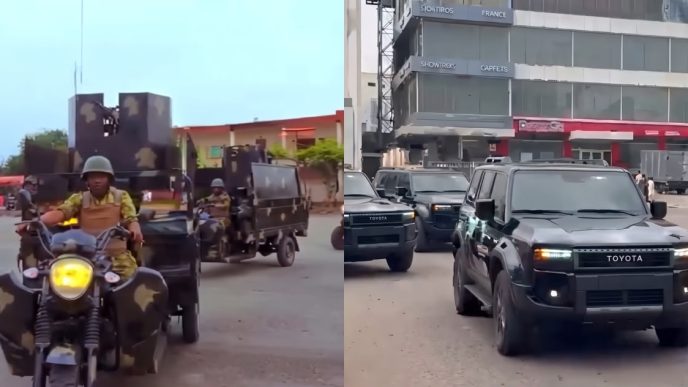



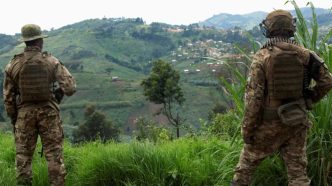
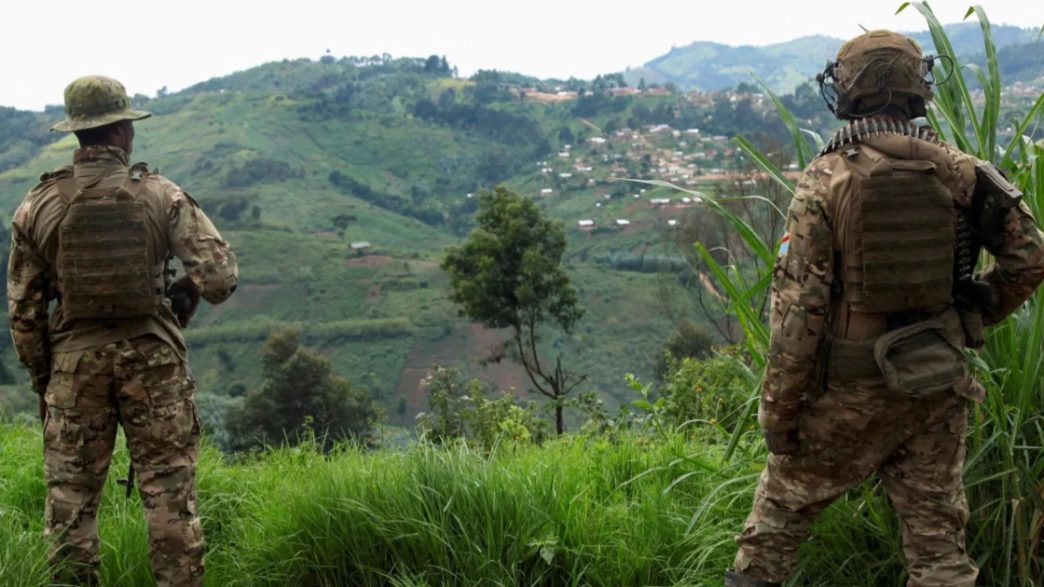
Imagine surviving months of fighting armed rebels, only to return from the battlefield and face a possible firing squad because your commanders believe you abandoned your position. That is the situation facing 66 soldiers sentenced to death in the Democratic Republic of Congo (DRC), following one of the country’s latest mass military convictions.
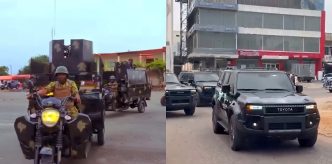
On November 6, 2026, the Goma Garrison Military Court sentenced 66 soldiers from the Congolese army’s 3415th Regiment to death after finding them guilty of cowardice, military mutiny and refusing to obey orders during operations in eastern Congo.
The trial, which took place in Walikale, North Kivu Province, involved 71 soldiers. Four walked free after the court acquitted them, while another received a 10-year prison sentence after benefiting from substantial mitigating circumstances. 
According to the 34th Military Region, the verdict forms part of efforts to restore discipline within the Armed Forces of the Democratic Republic of Congo (FARDC), which continues to struggle against rebel advances.
But why has Congo resorted to sentencing dozens of its own soldiers to death, and what does this say about the country’s increasingly complicated military crisis?
Why DRC sentenced 66 soldiers to death
The case originated from incidents in Ntoto village, within Walikale territory, where soldiers allegedly abandoned their positions during clashes involving the Front for the Refoundation of the Nation (FRN), a rebel coalition that includes M23.
Authorities arrested the soldiers on October 20, 2026, in Ngora village after incidents involving troops returning from the frontline. Reports indicate that a confrontation involving military police and soldiers escalated into gunfire, leaving one soldier and one civilian dead.
Military prosecutors accused the troops of abandoning their responsibilities, rebelling against military authority and refusing to follow orders during a period of active fighting. After 12 days of proceedings, the court handed down 66 death sentences.
For the Congolese military leadership, the message appears straightforward. Soldiers cannot abandon their positions, disobey commanders or undermine military operations without facing severe consequences.
However, the scale of the punishment has raised questions about whether executing soldiers can solve an army’s deeper problems.
SEE ALSO: INEC Removes Over 1.6m Invalid Voter Records, Flags 54 Personnel in 10 States
DR Congo soldiers sentenced to death: 381 soldiers face execution since 2025
The Walikale verdict is not an isolated incident. It forms part of a growing campaign of military prosecutions as Congo struggles to contain rebel advances.
Figures compiled by French broadcaster Radio France Internationale (RFI) show that military courts have convicted at least 507 soldiers since the beginning of 2025, with 381 receiving death sentences across eight major trials. In October 2026, another 27 soldiers reportedly received death sentences for withdrawing during clashes with AFC/M23 rebels.
Other proceedings have produced similarly severe punishments. In Uvira, South Kivu, 45 soldiers received death sentences, while three officers in Beni also received capital punishment for desertion and violating military instructions.
Meanwhile, a separate trial in Kisangani resulted in 58 soldiers receiving three-year prison sentences.
These cases reveal how aggressively military authorities are pursuing troops accused of abandoning their positions as rebels capture territory in eastern Congo.
Why Congo brought back the death penalty in 2024
To understand the latest verdict, it is important to understand Congo’s controversial decision to restore capital punishment.
The country maintained a moratorium on executions from 2003 until March 2024, effectively suspending the implementation of death sentences for two decades. However, the government of President Félix Tshisekedi reversed the policy, arguing that capital punishment could help tackle treason, espionage and infiltration within the military.
Justice Minister Rose Mutombo said the decision would help eliminate traitors within the armed forces and strengthen the country’s response to armed rebellion.
ALSO SEE: Uromi Pastor Allegedly Runs Away With Worshippers’ Phones During Prayer Session
The announcement attracted criticism from human rights organisations, particularly Amnesty International, which warned that Congo’s troubled judicial system could expose innocent people to execution following unfair trials.
Despite restoring capital punishment, Congo has not officially carried out executions since 2003, according to Amnesty International.
Consequently, the 66 soldiers have received death sentences, but that does not mean authorities have executed them.
DRC’s military crisis goes beyond cowardice and mutiny
While military commanders blame indiscipline for battlefield setbacks, Congo’s military crisis involves problems that punishment alone may not resolve.
The FARDC has faced longstanding criticism over poor organisation, inadequate equipment, weak leadership and soldiers’ welfare. The country’s reliance on various armed groups and local militias to fight M23 has also complicated its military strategy.
A United Nations Group of Experts report documented operational support that FARDC and allied groups received from the Democratic Forces for the Liberation of Rwanda (FDLR) and FDLR-aligned groups.
The FDLR, which includes individuals linked to the 1994 Rwandan genocide, has become a major point of tension between Kinshasa and Kigali.
Rwanda accuses Congo of cooperating with the militia, while the Congolese government has maintained that its arrangements with the group concern disarmament and demobilisation.
Meanwhile, M23 continues to challenge government control across North and South Kivu, despite diplomatic efforts and ceasefire agreements.
For the 66 soldiers in Walikale, the immediate future now rests on the judicial process surrounding their convictions.
For Congo, the bigger question is whether threatening its own troops with execution will finally strengthen an army that has struggled for years to contain an increasingly powerful rebellion.
ALSO READ: Lagos Crime Index: See Where Lagos Ranks Among the Most Dangerous Cities in the World

About The Author