


In Igboland, a marriage is rarely just about two people falling in love and deciding to spend their lives together. It is a meeting of families, a celebration of heritage and an occasion that brings relatives, friends and entire communities together. And before the bride and groom exchange vows, there is often a list to fulfil.
From tubers of yam and gallons of palm wine to kola nuts, wrappers, goats and other traditional gifts, the Igbo marriage list is an important part of the journey to matrimony. For some prospective grooms, however, it can also be a daunting exercise.
Although the customs differ across Igbo communities, one thing remains clear: traditional marriage carries deep cultural significance. Every item, payment and ceremony tells a story about family, respect, hospitality and the joining of two households. 
How the Igbo Traditional Marriage Process Begins
The journey usually begins when a young man informs his family that he wishes to marry a particular woman. His parents and relatives then arrange a visit to the woman’s family. This initial visit is commonly known as Iku Aka, which loosely translates to knocking on the door.
The groom’s family formally announces their intention and seeks permission to proceed with the marriage discussions. Depending on the community, there may be another visit before the bride’s family presents its traditional marriage requirements.
The bride’s consent is also important. In many communities, she is invited to confirm that she knows the prospective groom and wishes to marry him.
Once both families agree to proceed, the next stage begins. This is where the much-discussed traditional marriage list comes into the picture.
What Is on the Igbo Marriage List?
There is no single marriage list that applies to every Igbo community. Requirements vary from one town to another and sometimes from one family to another. Nevertheless, certain items appear frequently.
A typical list may include:
- Tubers of yam, bags of rice and beans.
- Palm wine, assorted drinks and bottles of hot drinks.
- Kola nuts and alligator pepper.
- Goats, poultry and other livestock.
- Stockfish, salt, palm oil and cooking ingredients.
- Wrappers, George fabrics, blouses and head ties.
- Jewellery, shoes, handbags and other personal gifts.
- Cash gifts for designated family members and traditional groups.
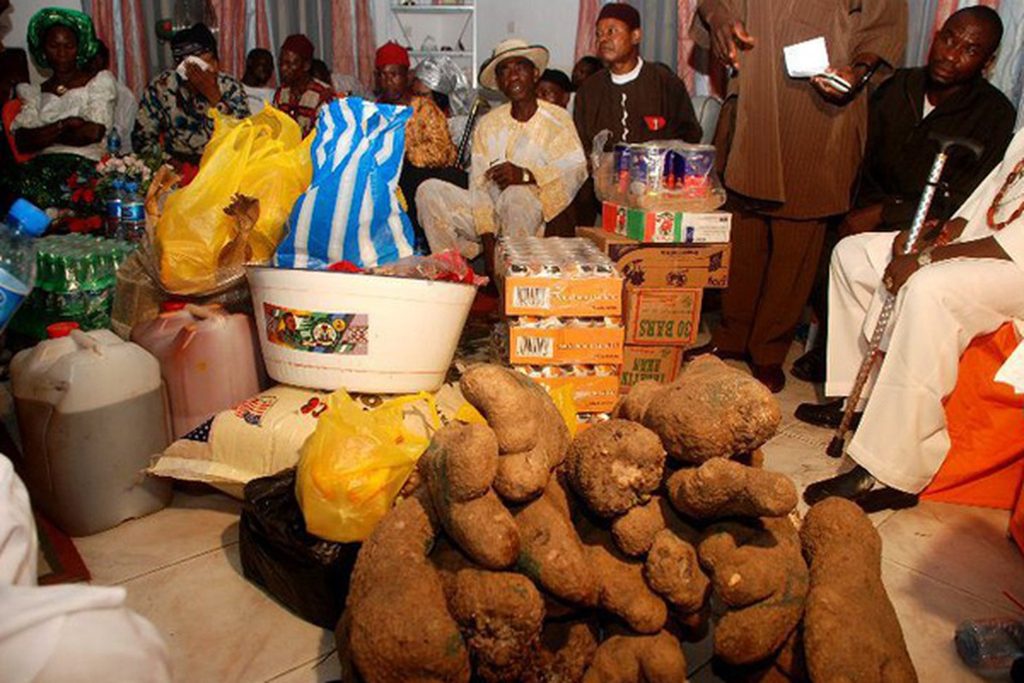
These items are not simply provisions for a wedding party. They represent hospitality, generosity and respect for the bride’s family.
In some communities, the list also contains separate requirements for the bride’s father, mother, paternal relatives (Umunna), and daughters of the kindred (Umuada). Other groups may also have designated items.
Some families present one list, while others issue requirements in stages. These may be called the first, second and even third lists. The subsequent lists can contain additional items or clarify what the groom’s family must provide before the marriage rites can proceed.
In recent times, some families have also agreed to accept the monetary equivalent of certain items. This makes transportation and preparation easier, especially when the groom lives far away.
When the Marriage List Becomes a Financial Challenge
For many prospective grooms, fulfilling the traditional marriage requirements involves considerable planning and financial preparation.
Some communities in Imo State, particularly parts of Mbaise, have become associated with elaborate marriage lists. These may contain extensive provisions for different family groups, alongside cash gifts and other customary obligations.
However, it is important to distinguish between the bride price and the total cost of fulfilling the marriage list. They are not the same thing.
Interestingly, the official bride price in Mbaise has been documented in a 2025 academic study as just ₦60. This illustrates how a modest symbolic bride price can exist alongside extensive customary requirements.
The financial expectations have also generated conversations among young people. Some complain that elaborate lists make marriage unnecessarily expensive. There are even claims that some young men consider marrying from other states to avoid what they perceive as demanding Igbo marriage requirements. And this raise an important question: should cultural traditions become a financial barrier to marriage?
READ ALSO: August Meeting 2026: What’s New, What’s Trending and What’s Happening
Ugwo Isi: The Symbolic Settlement of the Bride Price
One important part of an Igbo traditional marriage is the settlement of the bride price, commonly known in some communities as ugwo isi.
Unlike the long list of items presented by the groom’s family, the bride price is often negotiated separately. In many communities, the initial amount may be deliberately haggled over, sometimes with the bride’s family appearing reluctant to accept the first offer. The discussions may involve some friendly bargaining before both families eventually agree on a symbolic amount.
The final amount varies from one community and family to another. In some places, the settlement takes place days or weeks before the Igba Nkwu. In others, the families conclude the negotiations on the very day of the traditional wedding.
Although the amount may be modest, its significance is much greater than its monetary value. The payment represents the groom’s family’s formal recognition of the marriage and the bride’s family’s acceptance of the union. It also marks an important stage in the process of welcoming the bride into her new family.
For many brides, the settlement carries a special sense of pride. It is not unusual to hear a prospective bride proudly declare, “Akwụgo ụgwọ isi m” — meaning, “My bride price has been paid.”
That simple statement carries cultural and emotional weight. It reflects the recognition of her marriage by both families and the fulfilment of an important customary obligation.
However, it is worth noting that the bride price should not be confused with the entire cost of the traditional marriage. It is only one part of a wider process involving family negotiations, customary gifts and the celebration itself.
Ultimately, the value of ugwo isi lies not in how much money changes hands, but in the agreement, respect and family acceptance it represents.
Inu Mmanya and Igba Nkwu: Celebrating the Union
Although many Igbo communities refer to the main traditional marriage celebration as Igba Nkwu, the customs and names differ across the region.
In Onitsha, for instance, the marriage rites follow a distinctive sequence. The introduction is an important part of the process, but families do not necessarily follow the same formal list-presentation arrangement found in some other communities.
The main celebration is commonly known as Inu Mmanya. During the ceremony, the agreed bride price is settled and the customary gifts are presented. There are designated provisions for the bride’s parents, her father’s kinsmen and the Umuada, among others.
In Onitsha, the customary bride price has traditionally been a symbolic amount. Older generations recall the figure of ₦54, while more recent accounts put it at approximately ₦100. Actual arrangements should, however, be confirmed with the families concerned.
In many other Igbo communities, the Igba Nkwu ceremony provides the grand public celebration of the marriage.
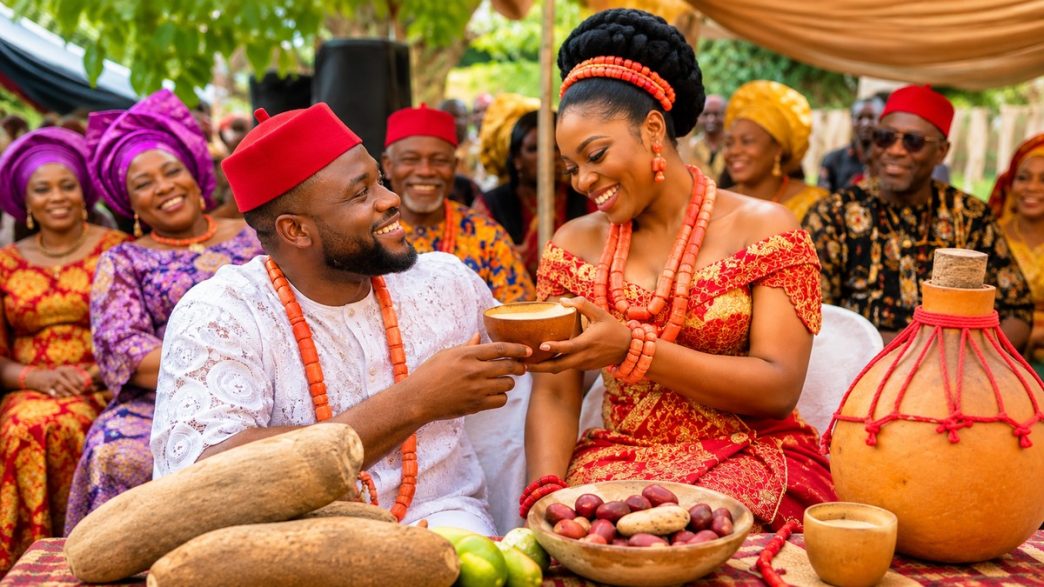
One of its most beautiful moments is the wine-carrying ceremony.
The bride receives a cup or calabash of palm wine, usually from her father or another designated family elder. She then walks among the guests in search of her groom, who may playfully hide among the crowd.
When she eventually finds him, she offers him the wine. He drinks it, and the gathering erupts in applause and celebration. The couple then receives prayers and blessings from their families.
It is a moment filled with excitement, music, dancing and emotion. More importantly, it publicly identifies the man the bride has chosen to marry.
The Bride’s Outings: A Celebration of Beauty and Heritage
Another striking feature of many Igbo traditional weddings is the bride’s different appearances during the ceremony.
The first outing often allows her to greet the guests and showcase her traditional attire. The second may involve the wine-carrying ceremony, where she appears in another beautiful outfit.
Some brides also have a third outing, depending on the family’s programme and the community’s customs.
Accompanied by their friends and asoebi groups, brides often change outfits, adorn themselves with beads and dance to traditional music. These appearances add colour and excitement to the celebration.
From beautifully tied wrappers to elaborate George fabrics, coral beads and carefully styled hair, the bride becomes a stunning representation of Igbo cultural elegance.
The Umuada: The Women Who Give the Marriage Their Blessings
An Igbo traditional marriage also celebrates the Umuada, the daughters of a kindred who hold an important position in family and community affairs.
Their role goes beyond receiving items on the traditional marriage list. They participate in the ceremony, offer prayers and blessings to the bride, and welcome her into a new chapter of life.
However, different Igbo communities follow different customs regarding Umuada membership and participation.
In some communities in Anambra State, including Onitsha and Agulu, a woman becomes a daughter of the kindred by birth. However, she does not automatically join the organised Umuada association. This association holds meetings, participates in family decisions and carries out collective responsibilities. A woman joins the organised group after marriage and fulfils her customary obligations, including presenting the items on the Umuada marriage list.
These requirements commonly include soap, salt and other household provisions. Depending on the family, the list may also include trays, plates and buckets.
During the Igba Nkwu, the Umuada usually gather under a designated canopy. They enjoy the food and drinks that the bride’s family provides. Their meal may include akpu or semolina served with egusi or, quite commonly in some communities, onugbu (bitterleaf) soup. Some families also serve jollof rice, while others offer white rice and stew. The family usually places drinks in coolers for the women to share.
In return, the Umuada bless the bride and present her with a gift that their association’s constitution specifies. This exchange goes beyond fulfilling a marriage requirement. It represents the women’s recognition of the union and their goodwill towards the bride as she begins married life.
In Ezeagu, Enugu State, however, the tradition follows a different pattern. Here, a woman joins the Umuada by birth, rather than through marriage. Being born into the kindred gives her membership.
Nevertheless, the Umuada also play an active role during the Igba Nkwu. One distinctive custom involves Ankara fabrics. The women bring out a box and place the fabrics inside as gifts for the bride.
These differences reflect the diversity of Igbo marriage customs. Although communities vary in their membership rules, marriage requirements and ceremonial practices, the Umuada remain an important part of the celebration. Through their participation, gifts and blessings, they affirm the family’s support as the bride begins a new chapter of her life.
Idu Uno: Taking the Bride to Her New Home
The marriage celebrations do not always end with the public ceremony. In Igbo land, Idu Uno is another significant tradition that marks the bride’s transition into her new home.
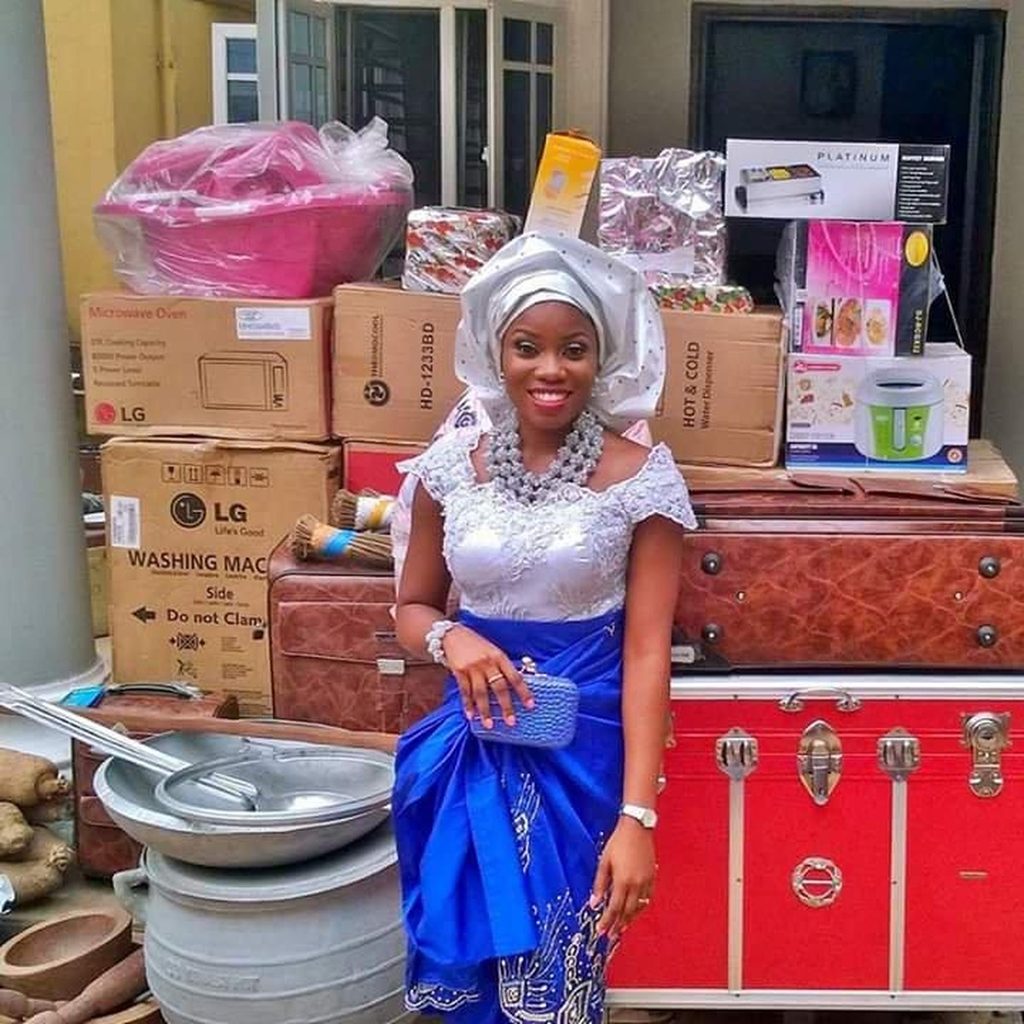
The ceremony involves escorting the bride to her husband’s home with household gifts provided by her family. These may include kitchen utensils, household appliances, food provisions, clothes and other essentials to help the couple establish their new home.
Beyond the material gifts, Idu Uno carries a deeper message. The bride’s family sends her into this new chapter with their love, blessings and practical support.
Keeping the Tradition Beautiful
Igbo traditional marriage remains one of the most colourful expressions of the people’s cultural identity. It brings families together and creates opportunities to celebrate ancestry, hospitality and shared values.
However, traditions also evolve. Families increasingly negotiate marriage requirements to reflect modern economic realities. Some reduce the quantities of items, accept monetary equivalents or simplify ceremonies to make the process less burdensome.
These changes need not diminish the beauty of the occasion.
After all, the purpose of traditional marriage is not to exhaust the groom financially or turn a family celebration into a competition over who can demand the most. It is to unite two people with the goodwill and blessings of their families.
From the kola nuts that welcome visitors to the palm wine that seals the celebration, every tradition tells a story.
And perhaps the most beautiful part of an Igbo marriage is not the length of the list or the number of gifts presented. It is the moment two families come together, celebrate love and welcome a new member into their fold.

About The Author