



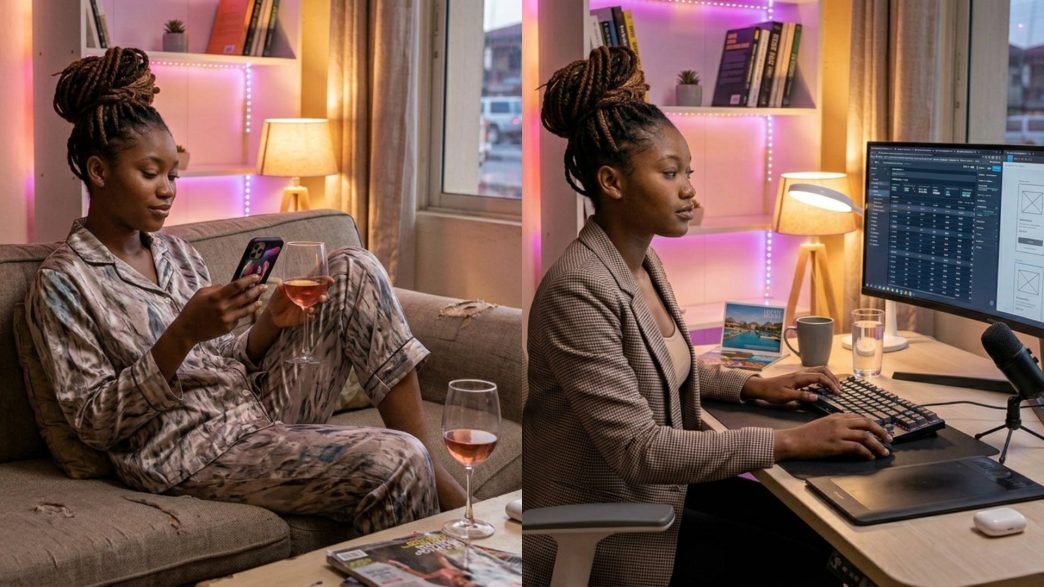
The idea of “soft life” a few years ago sounded like an online joke. It was mostly used under Instagram pictures of vacations, fancy dinners, skincare routines, and luxury lifestyles people could only dream about. But today, soft life has become more than internet slang. These days, for many young Nigerians born between 1997-2012, it has become a real lifestyle goal.
From TikTok to X, more young people are openly saying they no longer want to suffer just to prove they are hardworking. Among my friends and I, the days of glorifying stress, overworking, and “no sleep” culture seem to be fading slowly. Instead, we are choosing comfort, peace of mind, and experiences that make us happy, even if it is something as simple as spending a quiet weekend indoors. 
Why Are Gen Zs Replacing Hustle Culture With Dreams of Soft Life?
The truth is, a lot of young Nigerians are tired. Between the rising cost of living, an unstable economy, job pressure, and the everyday stress that comes with surviving in cities like Lagos, many people are emotionally drained.
The Economic Reality
As of March 2026, Nigeria’s inflation rate accelerated to 15.38%, up from 15.06% in February, primarily due to rising fuel costs. Food inflation significantly contributes to this trend, which may persist, impacting household purchasing power and corporate profitability. Key data includes a month-on-month inflation increase to 4.2%, a food inflation rate of 14.31%, and core inflation at 16.2%, indicating widespread price increases across the economy.
Labour Market Trends: The Rise of Informal Work
According to the National Bureau of Statistics, Nigeria’s unemployment rate dropped from 8.4% to 6.5% in early 2024. However, underemployment—where people work fewer hours than they would like—stood at 9.2% by early 2025. The most striking figure remains informal work: a massive 93% of Nigerians are employed in the informal sector, meaning they work outside of traditional, regulated jobs.
Success On Social media
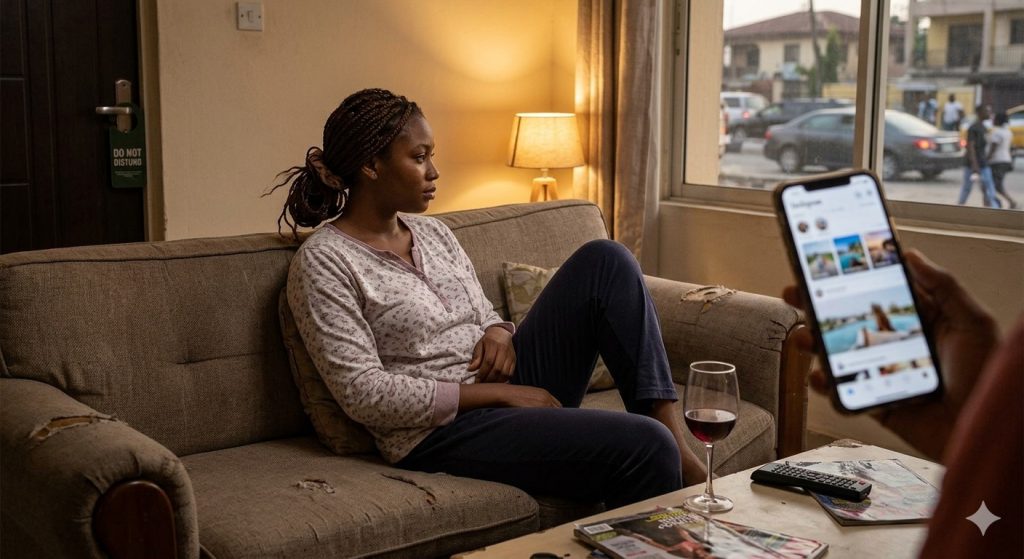
Soft life, for many, feels like a way of escaping that constant pressure, even if just for a moment. Social media has also helped push the trend further. Every day, people are exposed to content showing luxurious vacations, wellness routines, stylish apartments, and people enjoying life without looking stressed. Naturally, many youths have started redefining what success means to them. It is no longer just about working endlessly. More people now want balance. They want money, but they also want peace.
More Than Luxury: Soft Life as Intentional Living
Interestingly, soft life is not always about being rich. Sometimes it is simply about choosing yourself more often. It could mean turning down stressful environments, protecting your mental health, taking breaks, or refusing to participate in toxic competition. For many people, it is less about luxury and more about intentional living.
The Pressure of the “Aesthetic”
There is always another side to the conversation. Social media can make soft life look expensive and unrealistic. Some people now feel pressured to keep up appearances online, even when they cannot afford it. This has created a culture where enjoyment itself sometimes feels performative. People want the aesthetic of peace while quietly dealing with financial pressure behind the scenes.
A Generational Shift in Values
The popularity of soft life culture says a lot about this generation. Young Nigerians are becoming more vocal about burnout, mental health, and the need for a healthier lifestyle. Many no longer believe suffering should automatically come with success.
Soft life is really just about wanting a better quality of life. And honestly, after years of hustle culture being pushed as the only path to success, it is not surprising that many young people are now trying to find a balance between working hard, working smart, and protecting their peace at the same time.
Written by: Lawanson Rebecca
ALSO READ: Have Owanbes Taken the Battle for the Lowest Neckline Too Far?

About The Author