




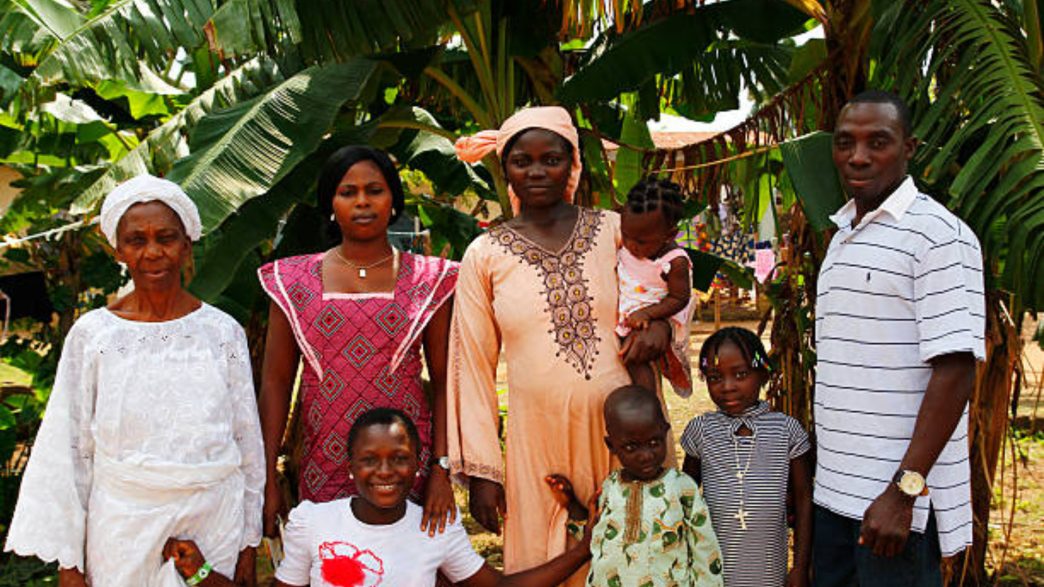
Ask many Nigerians where they would prefer to raise a family. You will assume their answers are most likely to be Lagos or Abuja. After all, both cities offer more jobs, bigger salaries and greater economic opportunities. Yet a new report challenged this assumption, suggesting that the best place to raise children may not necessarily be where the money is.
The report was made by SBM Intelligence and is titled “Where Nigerian Families Actually Thrive”.
It surprisingly ranks Kano as the top state for family life, while Cross River holds the lowest position. It examined the quality of life across eight states between January and May 2026. The study combined 
- A Quality of Life Survey involving 442 respondents.
- A Power Survey involving 191 respondents.
- Assessment of 15 indicators, including income, healthcare, childcare, education, electricity supply, safety and housing affordability.
Overall Ranking
- Kano – 3.92
- Rivers – 3.29
- Oyo – 3.09
- Abuja (FCT) – 2.97
- Anambra – 2.85
- Bauchi – 2.81
- Lagos – 2.61
- Cross River
Why Kano?
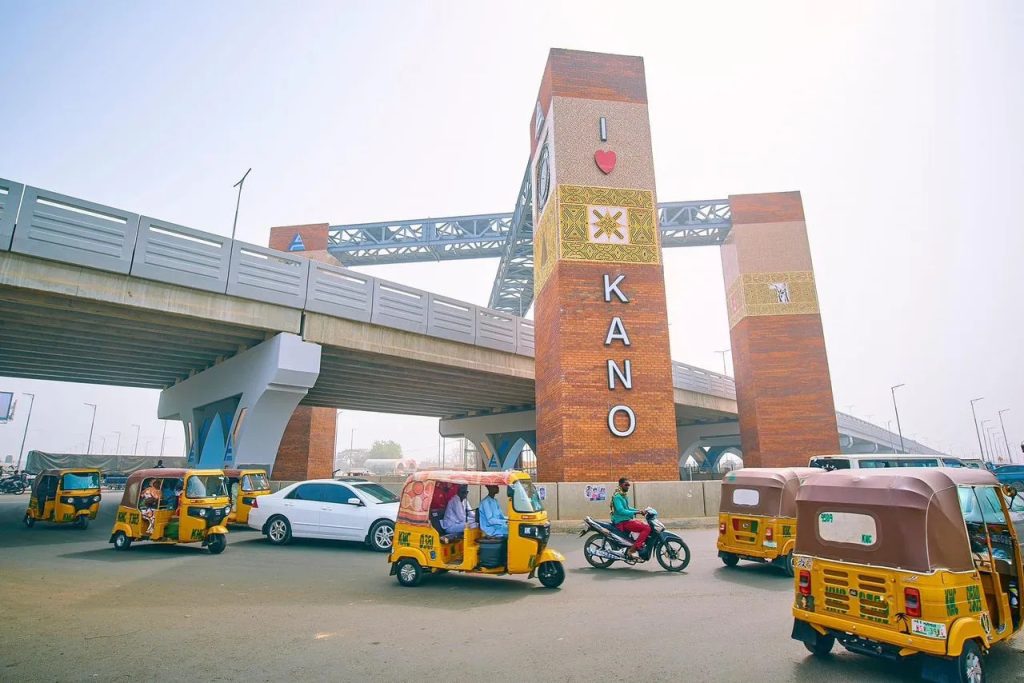
According to the report, the following parameters were deployed in the ranking exercise.
- Safety and Security (Strongest Advantage) Score: 3.98 out of 5.00—the highest score recorded across all indicators in the entire survey. Key Metric: 80.4% of respondents in Kano reported feeling somewhat or very safe after dark and rarely worried about crime affecting their children. National Standing: It outperformed Rivers (3.47), Lagos (3.14), and Cross River (1.84) by clear margins. Another national security tracker verified that Kano tied for the absolute lowest number of security fatalities in Nigeria.
- Daily and Housing Affordability Key Driver: Kano was flagged as the most affordable state for daily living expenses. The Tradeoff: This affordability directly compensated for low local salaries. Kano actually scored the lowest on the income parameter (2.08 out of 5.00), with over 31% of residents earning under ₦100,000 monthly. However, low costs allowed families to stretch their money far better than in high-earning but expensive hubs like Lagos and Abuja.
- Childcare and Practical Support Networks Key Finding: Kano attained the highest childcare access score among all surveyed states. Mechanism: Robust community and extended family frameworks provide reliable, low-cost daily childcare and family assistance.
- Stable Power Supply Key Metric: Only 9.5% of households in Kano experienced power availability under eight hours a day. Customer Satisfaction: Kano’s local electricity distribution company received the highest customer satisfaction rating in the report, contrasting sharply with the deep power pessimism recorded in Lagos and Abuja.
- Affordable School Quality National Ranking: Kano emerged first in affordable school quality. Supporting Data: This mirrors external educational milestones, such as Kano ranking #1 nationwide in the 2025 NECO SSCE results, leading with 68,159 candidates gaining five credits or more, including mathematics and English.
One of the most surprising findings was that Kano ranked first despite having relatively low income levels. More than 31% of respondents in Kano reportedly earned below N100,000 monthly, yet the lower cost of living meant families felt they enjoyed a better quality of life than many residents of wealthier cities. For many families, the ability to pay rent without exhausting a monthly salary may matter more than earning a higher income.
A parent who spends less on housing, transportation and childcare may have more financial stability than someone earning twice as much in a more expensive city. The study, therefore, highlights that higher income does not equate to better living conditions, as clearly seen with Kano outperforming high-earning states like Lagos due to better safety and lower living costs. The findings certainly challenge a common assumption among many Nigerians that higher salaries translate into a better quality of life.
ALSO READ: How Much Does It Cost to Eat a Balanced Diet in Nigeria?
The reasons Lagos and Abuja did not top the list are as follows:
Abuja recorded high income levels among respondents, while Lagos remains Nigeria’s commercial capital. However, both locations were affected by
- High housing costs
- Expensive transportation
- Rising living expenses
- Concerns about electricity supply.
The SBM report appears to suggest that safety, affordable housing, childcare, healthcare and social stability may matter more to families than living in a wealthy city. Kano’s emergence at the top challenges the common belief that Lagos or Abuja automatically offers the best environment for raising children.
Kano’s Rise to the Top
One of the report’s most striking conclusions is that income alone does not determine quality of life. Kano’s ranking suggests that safety, affordability and access to community support may outweigh income levels when families assess their overall well-being.
Across Nigeria, many young professionals migrate to Lagos and Abuja in search of opportunities. However, raising a family involves considerations beyond employment opportunities. Parents worry about school fees, childcare, electricity, housing and personal safety. The SBM findings suggest that cities often perceived as less glamorous may provide a more comfortable environment for family life.
Ultimately the SBM report raises an important question about how Nigerians define success. Is it living in a city with the highest salaries or living in a place where families feel safer, spend less on basic needs and enjoy a better quality of life? While opinions may differ, Kano’s emergence at the top of the ranking suggests that family well-being is about far more than income alone; it is increasingly more about safety, affordability and community, which, in a city like Kano, matters more than the size of a paycheque.
ALSO READ: Inside a Nigerian Kidnappers’ Den: What It’s Really Like

About The Author