


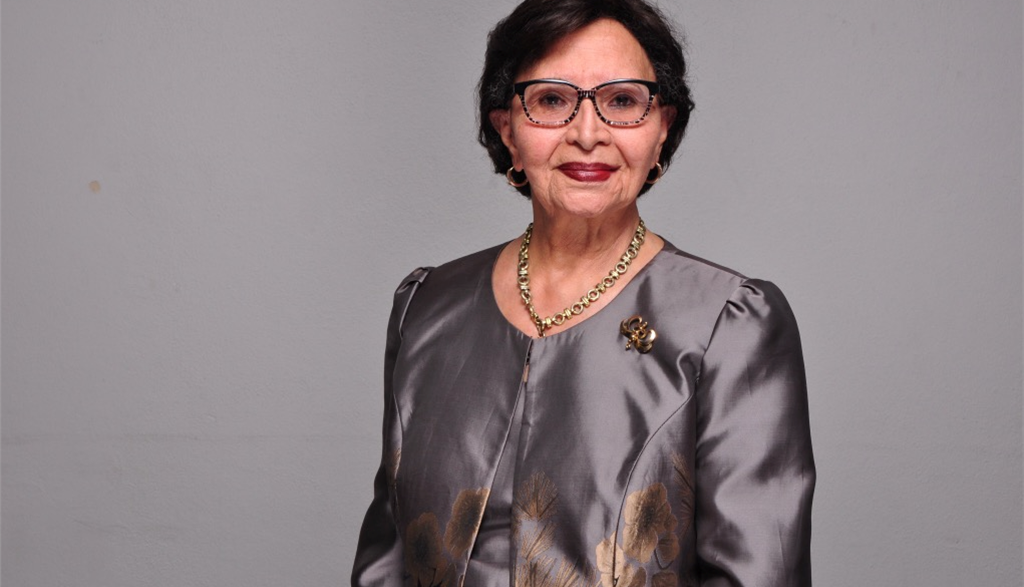
Sophie De Bruyn, the last surviving leader of the historic 1956 Women’s March in Pretoria, declared on Sunday, August 9, that the freedom South African women experience today falls short of what they fought for 70 years ago.
Her message, delivered during the National Women’s Day commemorations at the Union Buildings, served as a sharp call to action.
At the event marking the 70th anniversary of the historic protest, De Bruyn admitted that her heart was heavy as she reflected on the country’s current trajectory: 
“Today, as I look at our beautiful country, my heart is heavy. The freedom we marched for and for which we bled is in reality a painful paradox.”
SEE ALSO: South Africa Faces the Worst Unemployment Crisis in Africa
“How can we fully celebrate our past victories when our present reality is so deeply disappointing and distressful?” she asked.
De Bruyn pointed to the relentless rise in gender-based violence. She emphasised that many women remain “prisoners in their own homes” long after the apartheid pass laws were abolished.
“Gender-based violence continues to cast a dark cloud on our society. Every single day, I weep for the girl child, the daughters, the mothers, and the grandmothers who are abused, violated, and silenced. This is not the freedom we marched for.”
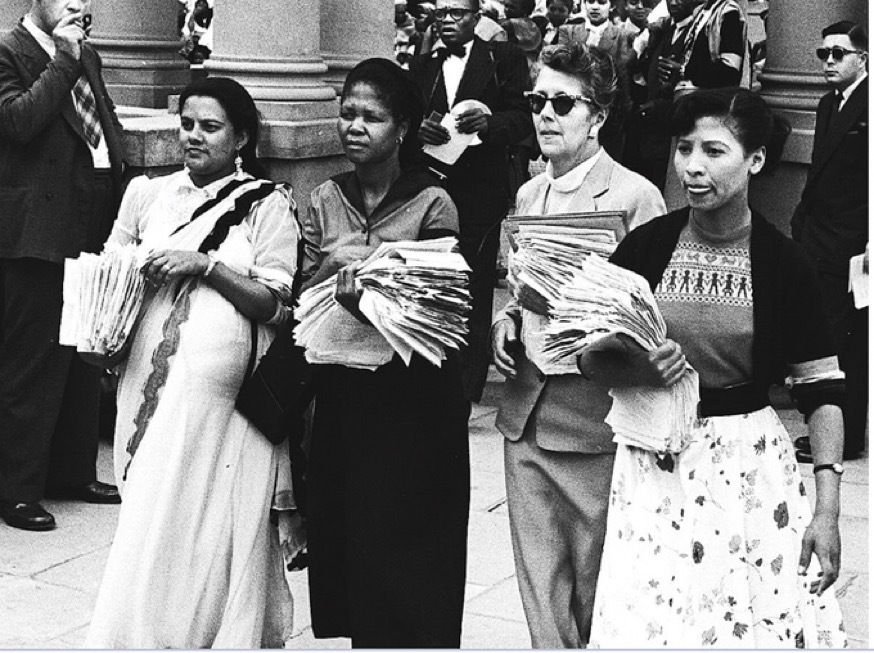
On August 9, 1956, De Bruyn was only 18 years old. This day, she helped lead approximately 20,000 women of all races to those same Union Buildings where they protested the extension of pass laws to Black women. Standing at the Union Buildings 70 years later, she spoke on behalf of the comrades who did not live to see the milestone.
“It has always been an honour to represent the collective leadership of the march and the 20,000 women. I am standing here as their representative, and what I am saying today is what they would have said to you if they were alive.”
At the South African Women’s Day 2026, De Bruyn did not limit her critique to gender-based violence. She also cited systemic poverty, deep inequality, corruption, insecurity, and unemployment as ongoing betrayals of the sacrifices made in 1956. She urged young women to take up the mantle against these modern crises.
SEE ALSO: Dangote Refinery Plans $5B Regional IPO Ahead of Proposed South Africa Listing
Historical accounts note that the women faced scepticism ahead of the protest. The African National Congress (ANC) leadership did not initially support the march out of concern that it could disrupt broader strategies. However, the 20,000 women proved the doubters wrong, orchestrating one of the most disciplined and powerful demonstrations of the anti-apartheid era.
Sophia Williams-De Bruyn—who led the march alongside Lilian Ngoyi, Helen Joseph, and Rahima Moosa—urged the current generation to finish the work begun seven decades ago.
“To the young women: do not wait for anyone’s permission. Stand up, use your voice, and fight for your future… Let the spirit of 1956 rise again,” she urged with powerful moral authority at the South African Women’s Day 2026.

About The Author