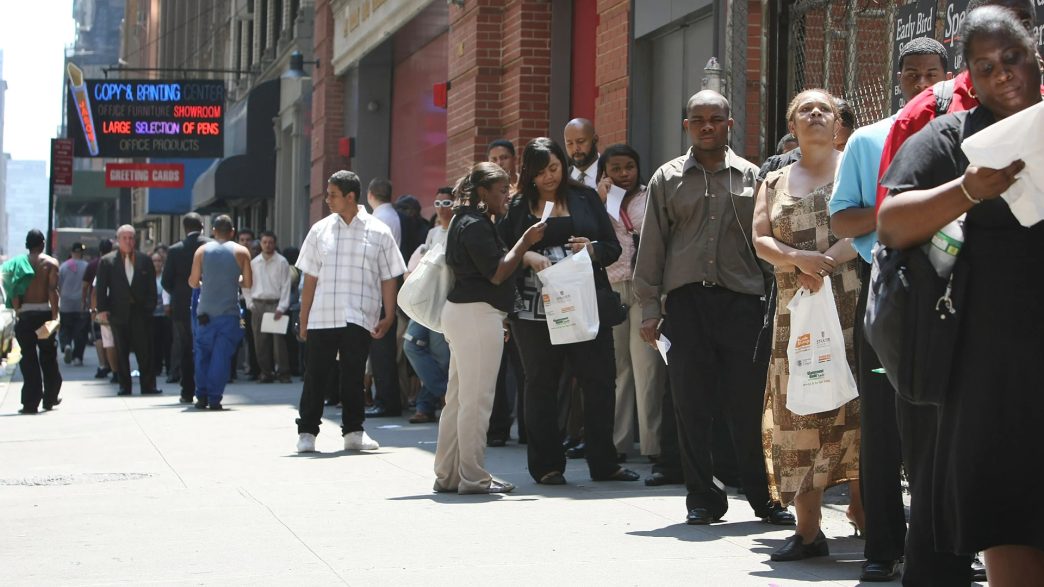
‘Unemployment’ is a term that the world is very much familiar with. Even without being on the news (which, by the way, is quite impossible), unemployment is on the lips of everyone from concerns about the desire to be gainfully employed, yet the dream seems far-fetched for many.
Unemployment occurs everywhere. It is a critical issue that cuts across the globe, of which Africa seems to be the worst hit. Across Africa, millions of young people wake up each morning with qualifications, ambition and very limited opportunities to channel them. Africa’s unemployment is extremely acute, not only because it is driven by rapid population growth but also because of structural economic challenges and educational misalignment. 
Reports from the African Development Bank show that the continent’s workforce is expanding faster than the formal economy can create jobs, with only 3 million jobs created for 12 million youths who enter the labour market annually. Therefore, the situation is riddled with problems ranging from job creation gaps, poor quality of education, skills mismatches, economic limitations and low investments, and limited access to financing for SMEs to political instability and poor infrastructure.
Unemployment Crisis in South Africa: A Generation Under Pressure
Some African countries are more worst hit. South Africa is facing a rising unemployment crisis in early 2026, as highlighted by the latest Quarterly Labour Force Survey from Statistics South Africa, which reports that the official unemployment rate has surged to 32.7% in the first quarter of the year, making it the highest on the continent.
Other African countries following behind include Namibia, Eswatini, Nigeria, Botswana, Lesotho, Libya, Sudan and the Democratic Republic of Congo.
The situation looks very dire in South Africa, and what is worrisome is that it is the most industrialised nation on the continent. According to South Africa’s Department of Statistics, the working-age population stands at 42.2 million individuals aged 15-64 years. Of these 42.2 million individuals, 21.0 million (49.7%) are aged 15-34 years and are the most affected, with millions being unemployed. The statistics summarise the situation as being very challenging for the younger population of South Africa, which makes up a greater percentage of the workforce.
In the first quarter of 2026, South Africa experienced a significant loss of 345,000 jobs, raising the unemployment rate to 32.7% and resulting in 8.1 million unemployed citizens, as reported by Statistics South Africa.
The total number of employed people decreased to 16.8 million, with the youth demographic, particularly those aged 15 to 34, facing the most severe impact, as their unemployment rate surged to 45.8%. The sectors most affected included community services, construction, and transport, while the broader unemployment figure, which includes discouraged workers, reached an alarming 42.1%, one of the highest rates globally.
Effects of Unemployment
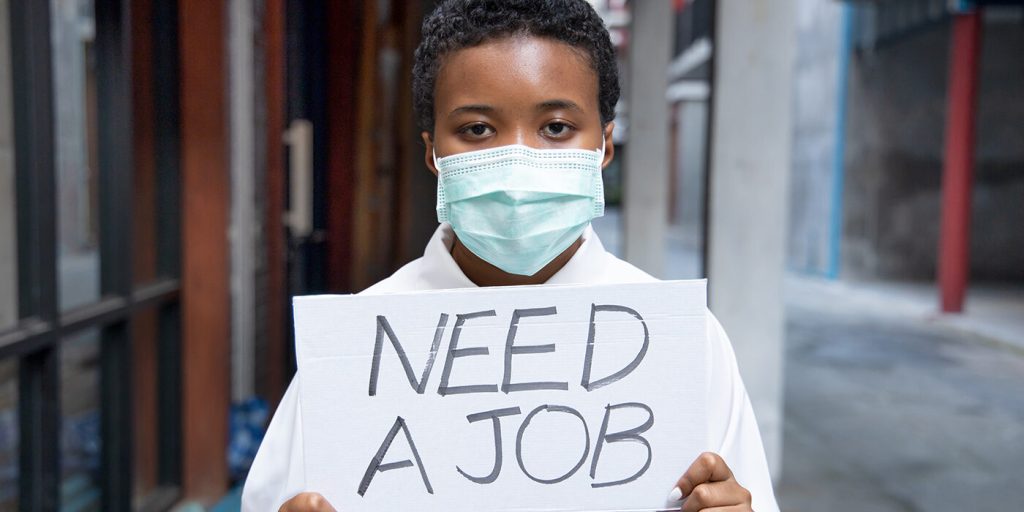
- The educated but unemployed. Many South Africans are educated and skilled but still unemployed. Many graduates now turn to ride-hailing services such as Uber driving, selling items online, freelancing and other informal jobs just to survive. This shows that in this part of the world, unemployment is no longer about education. The educated are also struggling.
- Mental Health and Identity: Unemployment is affecting the youths in self-esteem, relationships, and family expectations. Many of them must be under a lot of pressure and feel angry, invisible, hopeless and disconnected from society.
For many young South Africans, unemployment is no longer just an economic issue; it has become a social and psychological crisis. Yet despite the hardships, many youths are showing remarkable resilience. From digital freelancing and content creation to thrift businesses, beauty services, and online vending, young people are creating survival pathways in a difficult economy. Their determination reflects both the severity of the crisis and the strength of a generation unwilling to give up.
South Africa’s unemployment crisis is more than a numbers problem. It is a human story affecting millions of dreams, families and futures. While the resilience of the young people keeps shining through, long-term solutions will require stronger economic policies, investment in industries, improved education to employment pathways and a leadership committed to inclusive growth. Until then many South African youths will continue fighting daily simply to earn a living and preserve hope.
ALSO READ: South African President, Cyril Ramaphosa Addresses Xenophobic Attacks on Nigerians
Written by Izu Ebo

About The Author