


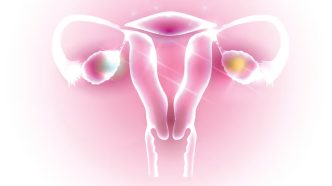

A common women’s health condition we’ve all known as ‘PCOS’ just got an official rebrand. It’s now called PMOS — Polyendocrine Metabolic Ovarian Syndrome.
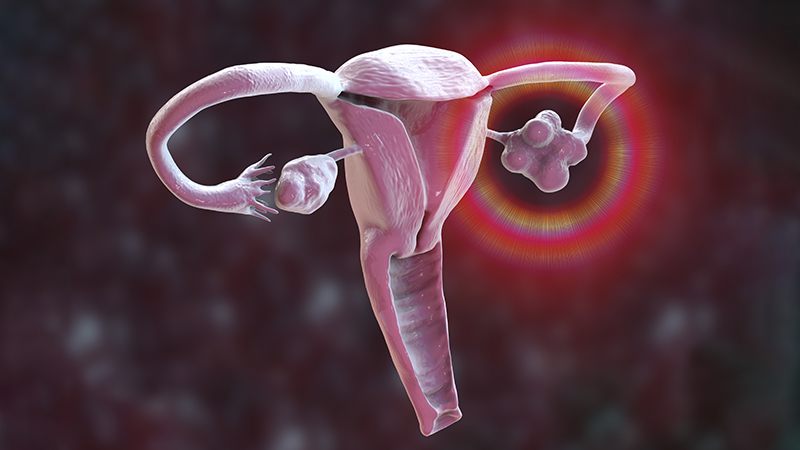
PCOS stands for Polycystic Ovary Syndrome. It’s a popular term in the street of women’s health, but a lot didn’t fully understand it. Doctors used to focus a lot on “cysts” on the ovaries. But not every woman with PCOS even has those cysts!
The old name made people think it was only about the ovaries and fertility. In reality, it touches hormones, metabolism (how your body uses energy), weight, heart health, and more. This misunderstanding caused many women to be misdiagnosed, dismissed by doctors, or given the wrong information. 
Why the Name Change to PMOS?
After 14 years of serious global research, talking to experts, and listening to over 22,000 women, international health bodies, including the Endocrine Society, decided it was time for a better name.
The new name, PMOS — Polyendocrine Metabolic Ovarian Syndrome — better shows what’s really happening in the body. For better understanding:
- Polyendocrine: This means it affects many hormones in your body.
- Metabolic: This means it changes how your body handles sugar, fat, and energy (insulin resistance and weight gain).
- Ovarian: It still involves the ovaries, but it’s not the whole story.
The name change hopes to make doctors and patients take the condition more seriously as a full-body issue, not just “woman problems down there”. It should lead to better diagnosis, more research, and improved care for the 170 million women worldwide who live with it (1 in 8 women), according to the Endocrine Society.
What Does PMOS Feel Like?
Women with this condition often experience:
- Irregular or missing periods
- Extra hair growth on the face or body (hirsutism)
- Acne or oily skin
- Difficulty losing weight
- Trouble getting pregnant
- Higher risk of type 2 diabetes, heart issues, and anxiety/depression over time
Many women in Africa and the diaspora quietly battle these symptoms without proper support. The old name sometimes made doctors say, “Just lose weight” or “It’s just cysts,” missing the bigger picture.
What Should You Do Now?
If you suspect you have PMOS (or old PCOS), don’t self-diagnose or take advice from TikTok. See an endocrinologist or women’s health specialist. They can run blood tests for hormones, check your metabolism, and create a plan that may include lifestyle changes, medication, or other support.
Lifestyle tips (do with doctor’s guidance):
- Eating balanced meals with plenty of vegetables and protein
- Moving your body regularly (even walks help)
- Managing stress
- Tracking your cycle
This name change shows the medical world is finally listening to real experiences instead of sticking to old ideas. For African women especially, where access to quality healthcare can be tough, more accurate information can help us push for better services and less stigma around “period problems”.

About The Author