




The 1994 Genocide against the Tutsi in Rwanda remains one of the darkest chapters in human history. In just 100 days; from April 7 to mid-July, extremists slaughtered approximately 800,000 people, mostly Tutsis along with moderate Hutus.
The violence erupted following the assassination of President Juvénal Habyarimana, fueled by ethnic hatred that political leaders had weaponized over decades. The genocide ended only when the Rwandan Patriotic Front (RPF) took control of the country.
Today, Rwanda marks those 100 days as a stark reminder of the horrors that propaganda, hatred, and impunity produce. The nation has built memorials, passed protective laws, and established a national identity centered on unity and reconciliation. 
Yet, behind the institutional memory lie deeply personal stories; accounts carrying the full, devastating weight of what those 100 days meant to individual families and young children.
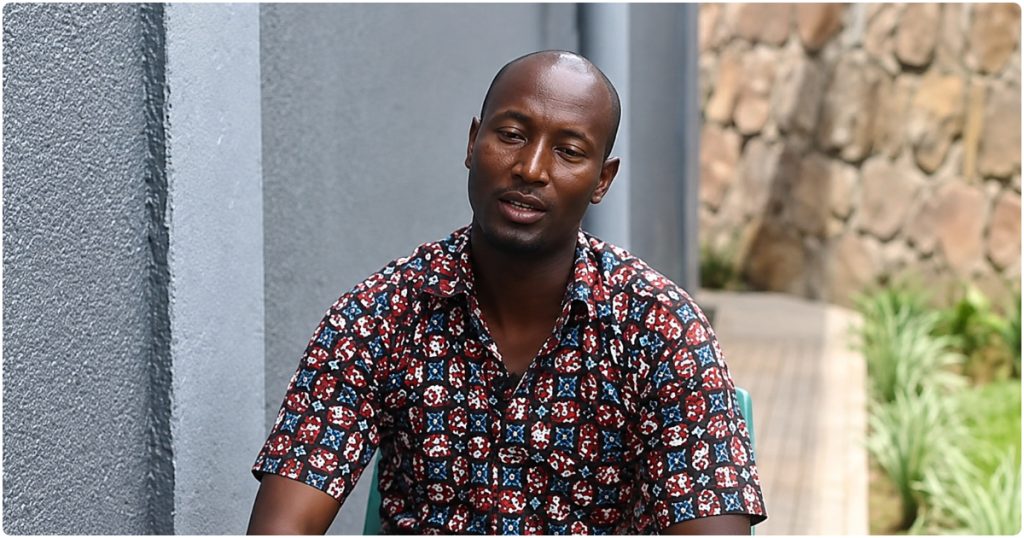
Among the survivors is Felix Nduwamungu, who was only six years old when the violence reached his doorstep.
Felix Nduwamungu Shares His April 7, 1994 Survival Story
Felix grew up in the Nkanka sector of Rusizi District. At an age when most children are just beginning to explore the world, he witnessed the systematic murder of his family in broad daylight. The horrors of that day remain vividly burned into his memory.
“The genocide happened when I was six years old, but I remember clearly when it started,” Felix recalled.
“I had a baby sister who was crawling at the time. She crawled toward the militia members, just as any child naturally approaches a visitor. When she reached them, they picked her up and threw her into the air. On her way down, a sword-like blade pierced her body before she hit the ground. We watched her blood flow toward us.”
His mother tried to grab the baby and flee, but the killers intercepted her and forced her to her knees.
“They tied us to a banana stem with ropes over our T-shirts, positioning us back-to-back facing opposite directions. Then, they began torturing my mother. I heard her plead with them, asking what they wanted. Right there, they struck her on the head with a club embedded with nails.”
“I saw blood and brain matter splash from her head. I had been crying, but when my mother collapsed to the ground, I went completely numb. I stopped crying and told myself it was over.”
SEE ALSO: Amarjeet Sada: The World’s Youngest Known Serial Killer
Felix Nduwamungu Recounts How He Escaped and Loss
Even in deep shock, instinct drove Felix to act. He managed to slip out of his ropes by pulling off his T-shirt, then freed his younger brother. He hid the boy in a nearby bean garden below their house. However, the killers soon realized the children had escaped and launched a hunt.
“Because my brother was heavy, he couldn’t outrun them, and they caught him. They immediately thrust a sword through one of his ears until it emerged from the other. I kept looking back as I ran. When I turned, I saw them dragging him across the ground.”
Felix ran into a banana plantation and hid. From his vantage point, he watched the killers throw his brother; still alive, into a neighbor’s pit latrine. Once the men moved on, Felix attempted to return to help him.
On his way, he encountered a local woman named Kankindi. Desperate for help, he approached her, expecting safety from a familiar face. Instead, she grabbed him and began shouting to alert the searching militia. During the struggle, she lost her balance and fell, allowing Felix to break free and sprint into another banana grove. By the time the militia reached her, Felix had vanished.
Kankindi’s betrayal was far from an isolated incident. Throughout those 100 days, neighbors routinely betrayed neighbors; people who had lived side-by-side for decades turned on one another out of ideology, fear, or opportunistic vengeance. What happened to Felix mirrored a tragic pattern across the entire country.
SEE ALSO: Who Was Phoolan Devi? The True Story of India’s “Bandit Queen
The True Cost of Survival
Felix Nduwamungu lost his mother, his baby sister, and his younger brother within a span of hours, and all before his seventh birthday.
Trauma specialists and researchers studying genocide survivors consistently state that extreme childhood violence alters emotional and cognitive development permanently. Rather than fading like ordinary memories, these traumatic experiences remain deeply embedded.
Felix is far more than a statistic among the 800,000 victims. He is the boy tied to a banana stem who watched his mother die, the child who kept running while militia dragged his brother away, and the survivor who now speaks out so the world never forgets.

About The Author