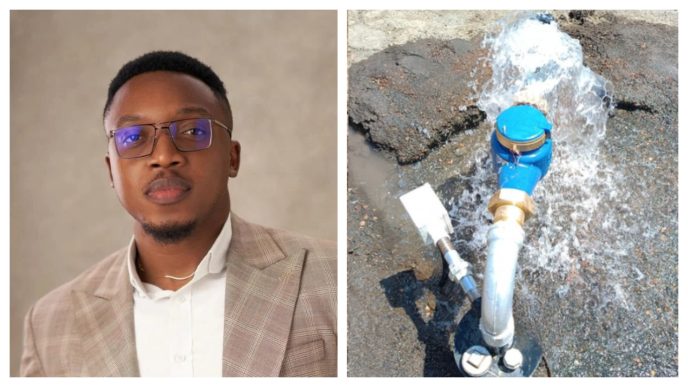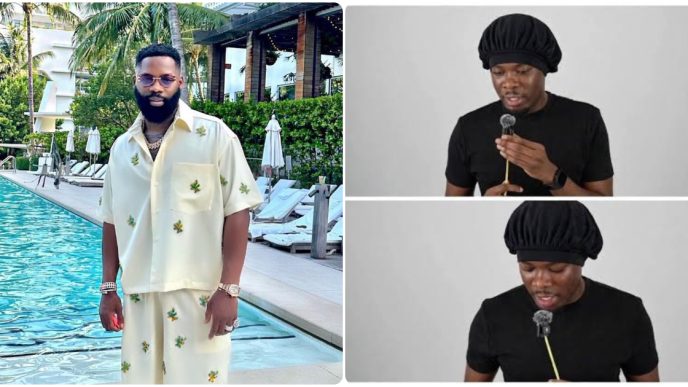



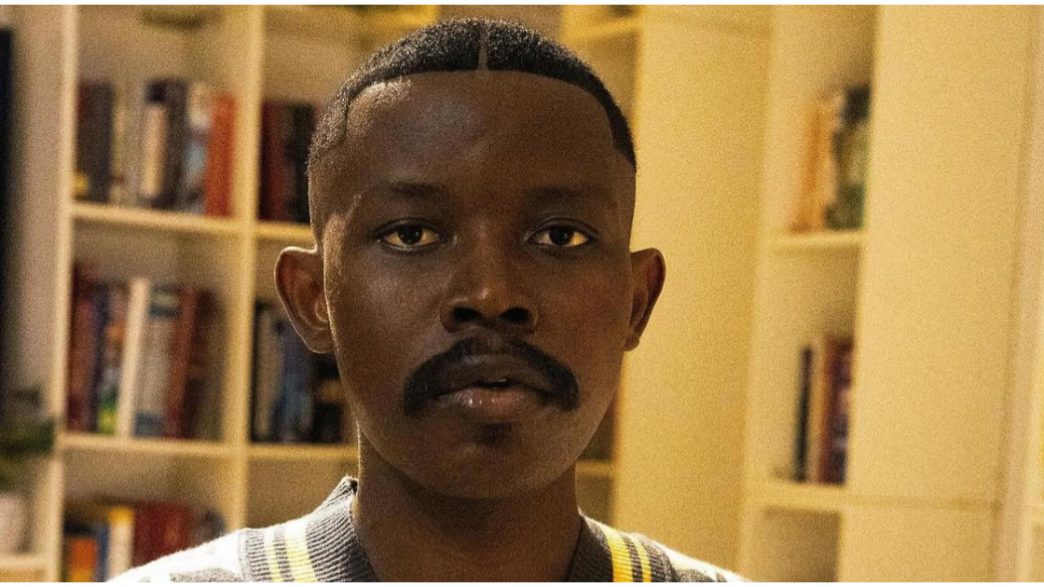
TG Omori, who has directed top music videos like Naira Marley’s “Soapy,” Fireboy DML and Asake’s “Bandana,” and countless others that defined a generation of Afrobeats, recently spoke about his kidney transplant ordeal.
Sitting on the Afropolitan podcast. Omori explained that it started quietly in Nigeria with protein in his urine. Doctors put him on medication and said the kidneys would bounce back, but they rarely do.
For about a year he kept working, flying between cities, taking the pills, checking in with his doctors every day. Sometimes he would come home from a long day in New York and find his feet swollen. 
By 2023, he was properly sick. In New York, the hospital results from several tests came back almost entirely red. Because he has no insurance, doctors told him to return to Nigeria and figure it out.
However, a friend connected him to top nephrologists in London who shipped medication while Nigerian doctors handled the local tests. For months he lived in that limbo, scared of an emergency, watching his vitals slip day by day.
Eventually the conversation turned to a need for a transplant. He spent six long months in a hospital in Ikoyi.
SEE ALSO: Davido’s Sister Sharon Ademefun Reveals Why She Can’t Be Friends With His ‘Obsessive’ Fans
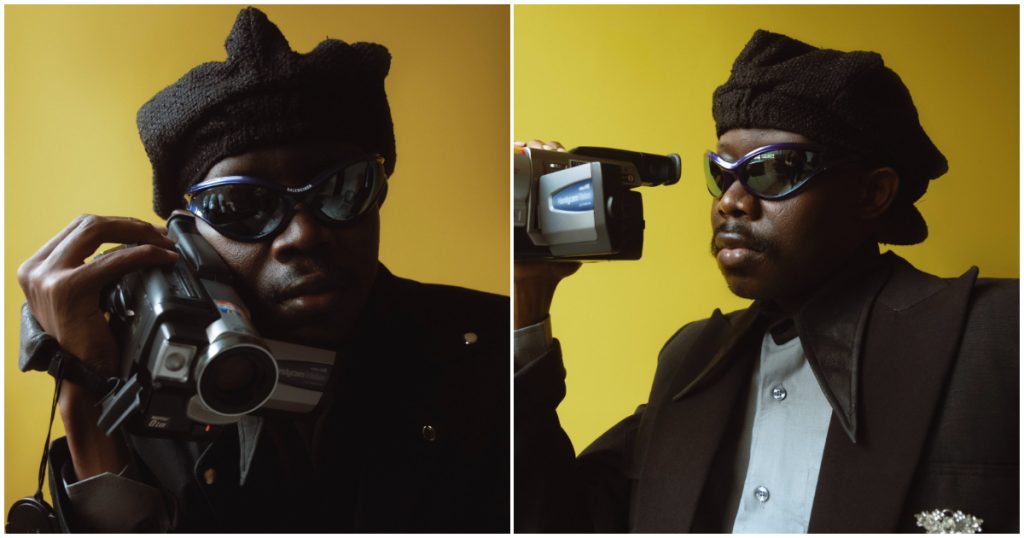
His Brother’s Kidney Did Not Match
Finding a donor took another nine months of waiting, testing, and heartbreak. Several people volunteered, but none matched.
His brother finally stepped forward, certain that a family member’s kidney would be the answer. After a seven-hour surgery, the doctors wheeled Omori back out, saying there was no flow. This meant that his body had rejected the kidney. They had to take him back into theatre, remove the organ, and stitch him up again.
“I was just pissed,” he recalled. “At that point I lost everything, like my spirit. I’m a strong fighter, but I wasn’t so sure I was going to survive that one.”
It was then he posted online asking for prayers, something he had avoided for nearly three years of private struggle. He couldn’t call his mother because he didn’t want the shock to break her. “God, let your will be done,” was the only prayer he said he had left.
SEE ALSO: Dora Akunyili Won the Battle, But Nigeria Still Struggles With Counterfeit Products
The Brutal Cost of Staying Alive
The failed transplant meant more dialysis while his body healed enough for a second attempt.
He said dialysis at the private facility he used cost between 150,000 and 200,000 naira per session. Three times a week quickly became 500,000 to 600,000 naira.
Over a year, that can climb past N30 million without taking into account the tests and extra medication.
“A minimum-wage person is dead already in one session,” Omori said. “Even though money can’t buy happiness, money can still buy some time.”

About The Author