Many Nigerians have complained about changes in the taste of some edible products. Questions have also been raised about how counterfeit products are manufactured and released into the market for public consumption.
Such products can put consumers’ health at risk and potentially cause serious health problems. Consumers have reported their concerns to the authorities. Some have also called out brands after discovering suspected counterfeit versions of their products.
They have done so to alert the companies, particularly when they may be unaware of the counterfeits. However, the problem appears to have become increasingly widespread across the country. 
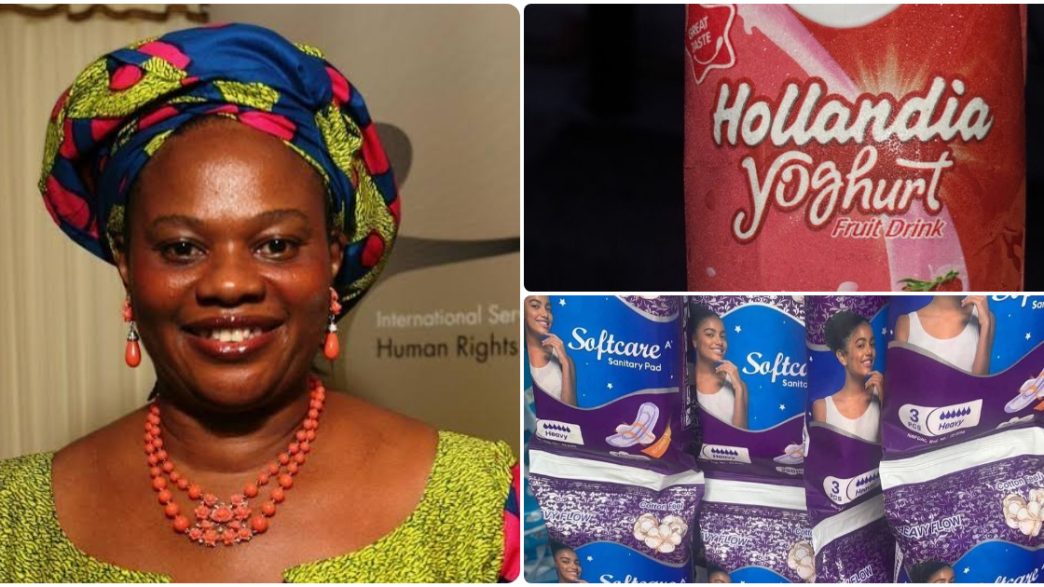
Counterfeit products were once a major concern in Nigeria. Dora Akunyili tackled the problem during her tenure as Director-General of the National Agency for Food and Drug Administration and Control (NAFDAC).
Through her efforts, she worked to strengthen the regulation of products and reduce the circulation of counterfeit medicines and other unsafe products.
Dora Akunyili’s fight against counterfeit products

Dora Akunyili was a Nigerian pharmacist, professor and public servant who led NAFDAC from 2001 to 2008.
She became a national figure through her determined campaign against counterfeit and substandard drugs, which threatened countless lives across the country.
Under her leadership, NAFDAC strengthened product regulation, increased public awareness and intensified its crackdown on fake drug networks.
Her efforts helped restore public confidence in the agency and earned her widespread recognition in Nigeria and abroad.
Akunyili remains one of Nigeria’s most respected reformers and public health advocates.
However, as consumers continue to report suspected counterfeit products to the authorities, concerns remain about the effectiveness of current measures. The growing reports suggest that more needs to be done to tackle counterfeit products effectively.
This highlights the scale of the challenge Akunyili confronted during her time at NAFDAC.
Nigerians Turn to Social Media to Share Their Experiences
Social media platforms have become a channel for consumers to share their experiences with counterfeit medicines, sanitary products and food items.
The growing number of consumers posting evidence of their troubling experiences online has raised concerns. Some Nigerians have reportedly lost loved ones after using or consuming counterfeit products. Others have suffered serious health complications linked to suspected fake medicines and food products.
These reports raise an important question: how many people have been affected by counterfeit products without their experiences ever being heard?
Below are some of the many experiences consumers have shared online.
Fake Malaria Drugs Produced in Lagos
Emeka Madu was arrested for allegedly producing fake malaria drugs in an uncompleted building in Ikotun, Lagos. He was reportedly arrested alongside three other men over the alleged production and distribution of counterfeit medicines.
According to reports, Madu and the three men had allegedly manufactured the drugs on a dusty floor for four years.
Madu admitted that he was not a pharmacist. However, he claimed the drugs contained active pharmaceutical ingredients used to produce the medications. The secondary school dropout also said a late friend had trained him in the trade.
He further claimed that the group distributed the medicines to pharmacies in Onitsha, South-East Nigeria.
READ ALSO: Nigerian Doctor Claims Fake Toothpastes Flood Market: “It’s Dangerous, Serious Health Hazard”
Lady Raises Concerns Over Fake Creams and Medications
Another video shared online features a woman, Toabliss, who spotted creams and other products she believed were counterfeit. In the video, she expressed concern over the growing risk of Nigerians purchasing fake products, including medications.
Toabliss urged people to buy medicines only from reputable and licensed pharmacies. She warned that consumers could unknowingly purchase counterfeit drugs, which may pose serious health risks.
According to her, the widespread availability of fake medications could have serious consequences, as taking counterfeit drugs can potentially result in severe illness or even death.
Consumer Shares Experience With Hollandia Yoghurt
One of the videos circulating online features a consumer sharing her unpleasant experience with Hollandia yoghurt. She claimed the yoghurt looked unusually thick compared with the original product.
The unusual texture raised concerns, prompting her to share her experience with what she believed was a counterfeit product.
Such concerns are worrying, as consuming counterfeit food products could potentially put consumers’ health and safety at risk.
Capri-Sun Raises Concerns Over Children’s Safety
Children may also be at risk, as concerns have been raised about the safety of Capri-Sun, a popular drink among children. One consumer reportedly noticed a change in the taste of Capri-Sun and found orange seeds inside the pack.
The growing prevalence of suspected fake products has become alarming, with consumers continuing to raise concerns about products they believe may be counterfeit.
Nigeria has regulatory agencies responsible for ensuring that substandard and fake products do not reach consumers. However, these concerns continue to raise questions about the effectiveness of existing checks.
RAED ALSO: 5 Companies That Were Sued For Causing Cancer
NAFDAC director-general faces questions over counterfeit products
The current director-general of NAFDAC, Professor Mojisola Adeyeye, was asked a question about calls for her resignation because Nigerians did not want her anymore. At that moment, she burst into laughter and mocked the journalist.
Her reaction made Nigerians furious, as some people felt that she did not care about the rampant counterfeit medications and products in Nigeria.
Earlier in September in Ondo State, 30 people were reportedly dead after taking fake local drinks, while some others remained hospitalised.
Lady Shares Softcare Sanitary Pad Experience
A woman, Faidat, has shared her experience with a Softcare sanitary pad, which she said caused an infection.
Faidat said she used the pad last month and developed an infection that required treatment.
She added that she experienced similar symptoms after using the pad again this month.
Concerned about the experience, Faidat called out the brand and urged it to investigate the issue and take the necessary action.
Nigerians Continue to Seek Answers
The growing number of complaints online shows how consumers now use Instagram and TikTok to share their experiences. Many turn to social media after noticing something unusual about products they suspect may be fake or unsafe.
Consumers have also reported their concerns to relevant authorities and called out brands over questionable products.
Dora Akunyili’s work against counterfeit products remains an important part of Nigeria’s fight against fake drugs.
Today, Nigerians continue to raise concerns about counterfeit products, but many now take those complaints directly to social media. Consumers want reassurance that the products they eat, drink, use and buy are safe.
Therefore, authorities must listen to these complaints and treat them seriously. Brands must also pay attention when consumers raise concerns about their products.
When Nigerians feel their concerns are not being adequately addressed, many turn to Instagram and TikTok to make their voices heard.

About The Author