


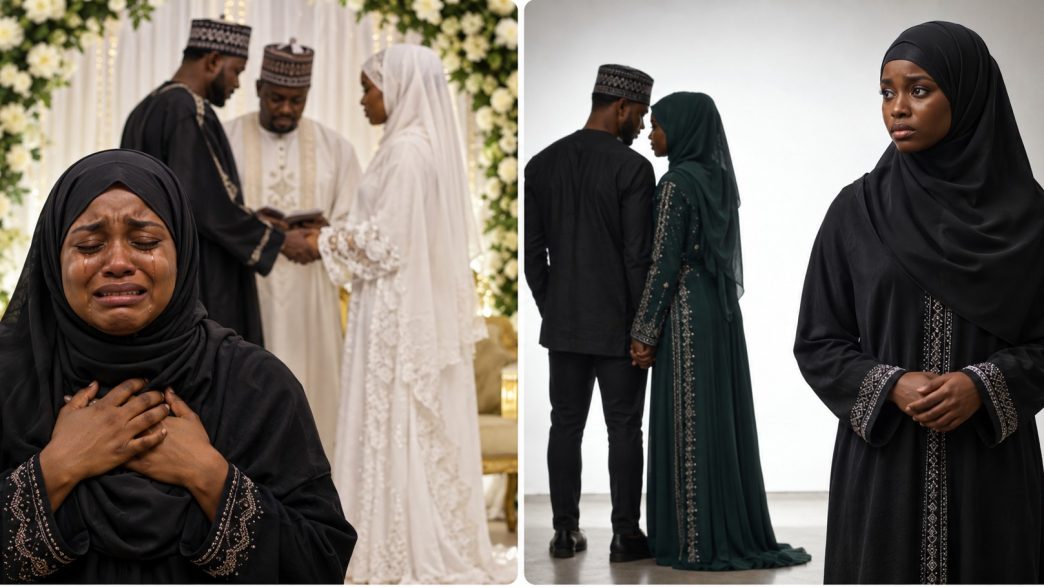
Polygamy remains a recognised practice in Islam, with Muslim men permitted to marry more than one wife under certain conditions. However, some women do not want to enter such marriages.
For some young Muslim women, the decision is influenced by personal preferences, emotional security and concerns about family dynamics.
NBG Africa set out to understand why some young Muslim women would rather remain single than marry men who intend to practise polygamy. 
In previous generations, some men married multiple women and lived with their wives in the same household. However, attitudes towards marriage and family life have changed among some younger people.
During its research, NBG Africa spoke with an elderly man who has two wives. He said he regretted his decision because he has not found peace in the marriage. According to him, rivalry between his wives has affected the peace in his home.
NBG Africa also spoke with relationship and self-discovery therapist Kingsley Madugba, popularly known as Kingsley Speaks. He shared insights from his experience working with couples and people facing relationship challenges.
Why Some Women Reject Polygamy
Madugba explained that some young women may reject polygamy because of the experiences they have witnessed or encountered. He said some women fear that their husbands may eventually love another wife more than them.
According to the therapist, being referred to as a first, second or third wife can also affect a woman’s emotional security. He said many women want to feel that they are the most important romantic partner in their husband’s life. This can make the idea of sharing him difficult to accept.
Madugba also identified the potential trauma associated with growing up or living in a polygamous household. He explained that rejection of polygamy can stem from the challenges associated with the practice and a woman’s desire not to feel second or numbered.
However, he noted that women have different views. According to Madugba, some women may accept polygamy if they believe their husbands can provide a comfortable life and manage the responsibilities involved.
He said modern expectations of marriage have also influenced how some women view polygamy. Some may reject it because they do not see how it would benefit them. Others may accept it because they believe the arrangement could improve their lives.
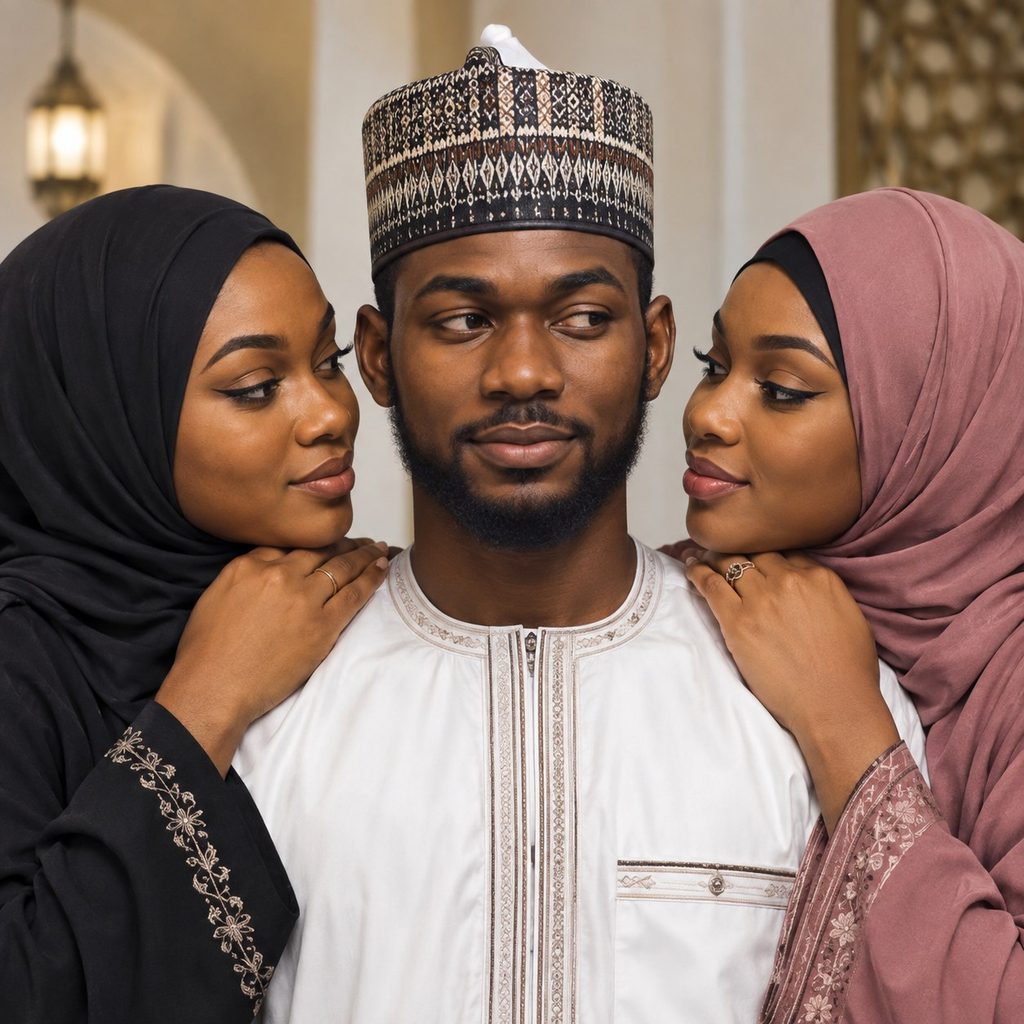
Emotional and Family Challenges
Speaking about the emotional challenges associated with polygamy, Madugba identified the feeling of being numbered as one possible concern. He said a woman may begin to question whether she is good enough for her husband. She may wonder whether her husband would have sought another wife if she had been enough for him.
Madugba also noted that some men eventually regret entering polygamous marriages because family relationships can become divided. Jealousy and competition can affect relationships between wives and influence how children are raised. He said such dynamics can create tension and unhealthy family relationships.
On whether the rising cost of living has made polygamy more difficult, Madugba said financial pressure does not necessarily prevent men from practising it. He explained that some men still choose polygamy because they believe they can afford the responsibilities that come with having multiple wives.
Madugba stressed that religious permission does not mean every woman must be comfortable with polygamy. He said individual preferences differ, even among people who share the same religion.
The therapist advised women to understand a man’s views about polygamy before marrying him. He said a woman should know whether her prospective husband believes in taking another wife because his position could affect the marriage in future.
Madugba also said he personally does not see any benefit in polygamy.
Aishat Says Polygamy Would Be a Deal-Breaker
NBG Africa also spoke with two single Muslim women, Aishat and Qoreebah, about their views on polygamy.
Aishat said fear is one reason some young Muslim women are reluctant to enter polygamous marriages. She explained that Islam permits polygamy under certain conditions. However, she said permission does not automatically mean every man can practise it responsibly.
According to Aishat, some men may treat having multiple wives as a status symbol or something to boast about. She said a man should be financially responsible, emotionally available, fair, respectful and accountable before taking another wife.
“If a man cannot provide those things for one wife, he need not add a second wife,” she said.
Aishat also spoke about the emotional impact of discovering that a husband wants another wife. She said one of her first thoughts would be, “Am I not enough for him?” She explained that a woman could feel as though her marriage was not enough for her husband.
Aishat acknowledged that Islam does not necessarily frame polygamy in those terms. However, she said a woman can still experience the situation emotionally that way.
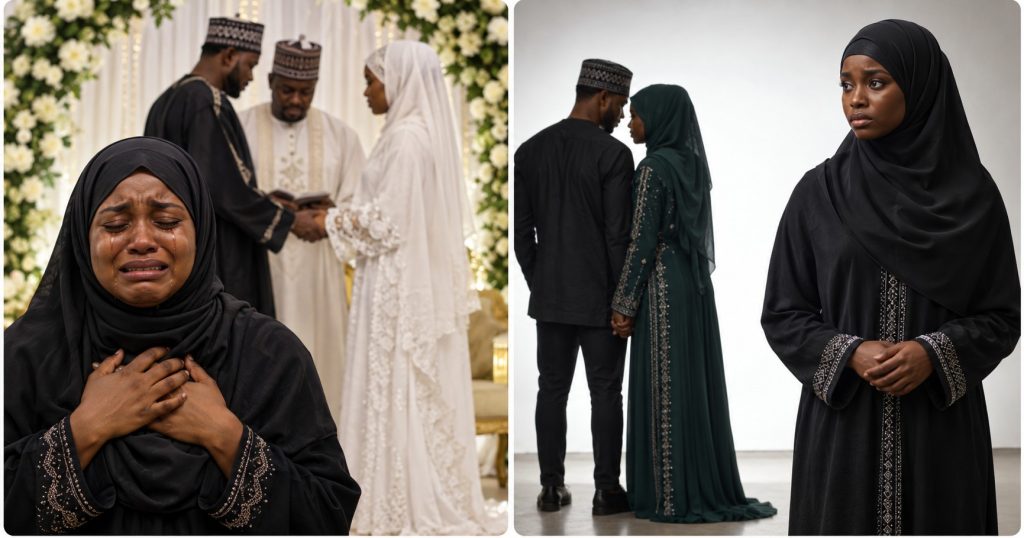
She said resistance to polygamy can involve concerns about fairness, emotional security, trust and financial responsibility. Aishat also stressed the importance of understanding the responsibilities associated with polygamy. She said a man cannot simply rely on the fact that Islam permits him to marry more than one wife. Instead, he should understand the religious teachings and responsibilities involved.
She said he should consider whether he can provide for two families, treat his wives fairly, give each woman her rights and provide emotional security.
READ ALSO: Nigerian Women Who Rejected Marriage Pressure Then Shocked Fans by Getting Married
According to Aishat, polygamy involves more than having the financial ability to marry another woman. She said it also requires knowledge, maturity, accountability and the capacity to manage the emotional and family responsibilities involved.
Aishat said changing expectations around marriage have also influenced some young Muslim women’s views. She noted that many women now see marriage as a partnership built around companionship, emotional intimacy, trust and mutual commitment.
For Aishat, marriage is not the only measure of a fulfilling life. She said:
“If marriage happens for me, Alhamdulillah, and if it does not, it’s fine.”
She explained that her life does not begin or end with marriage. Aishat also criticised statements such as, “Men are naturally polygamous, deal with it.” She said such statements can reduce a complex religious and marital issue to a biological explanation.
Aishat acknowledged that Prophet Muhammad (S.A.W.) had multiple wives. However, she said his marriages had specific historical circumstances and responsibilities. She noted that some of his marriages involved widows and women who had lost their husbands, including during the wars of that period.
Aishat argued that those marriages should not simply become a justification for men today to pursue multiple wives without understanding the circumstances and responsibilities involved.
If a man she loved told her he intended to marry another woman in the future, Aishat said she would prefer to end the marriage. She explained that couples should be honest about their expectations and boundaries before getting married. If they had agreed to a monogamous marriage and the man later changed his mind, she said their expectations would no longer align. Aishat said she would rather leave than remain in a marriage she knew she could not emotionally accept.
She acknowledged that Islam permits men to marry multiple wives while women cannot have multiple husbands simultaneously. However, she said she is still learning about the deeper wisdom and rulings surrounding polygamy.
For her, knowing that something is permissible does not mean she must choose it for herself. She said she would rather be honest about her position before marriage than enter a relationship hoping her partner would eventually change.
Qoreebah Says Polygamy Would Be a Deal-Breaker
Qoreebah also explained why polygamy would not be acceptable to her. She said many young women do not want to share their husbands. They also value their peace of mind and may worry about the challenges their children could face in a polygamous family.
Qoreebah said some women fear dealing with divided attention, half-siblings and pressure to maintain relationships within the family.
She also believes some men may use the possibility of taking another wife to undervalue or disrespect their current wives.
Although Islam permits polygamy under certain conditions, including fairness, Qoreebah questioned whether every man can realistically provide equal treatment and emotional attention to multiple wives. She said some men may take women’s emotions for granted because they view another marriage as an available option.
In some cases, she said, women may feel treated like possessions or achievements rather than equal partners.
Qoreebah said her concerns include fairness, emotional security, trust, communication and financial responsibility. She explained that these factors can significantly influence how a woman views the possibility of sharing her husband.
She also noted that modern expectations have shaped how some young women understand marriage. According to Qoreebah, many now want relationships built around companionship, emotional connection, mutual love and partnership.
She said some women may even lose interest in marriage when they believe it could involve polygamy. However, Qoreebah acknowledged that some women accept polygamy despite having reservations. She stressed that it is not an absolute boundary for everyone.
For her, however, polygamy would be a deal-breaker. She said that if a man she loved told her he intended to marry another woman, she would feel that he no longer loved her in the way she expected. Qoreebah said she would also consider her emotional security, peace of mind and whether she could genuinely accept sharing her husband.
Ultimately, she said she would not want to enter a marriage where she constantly felt insecure, unwanted or forced to compete for her husband’s love and attention.
READ ALSO: Gospel Singer Asu Ekiye Ends 28-Year Marriage, Reveals Why He Kept Split Private for a Year

About The Author