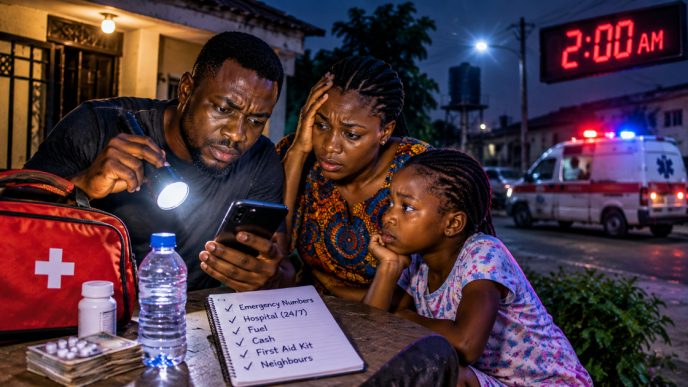



A voice note lands in a WhatsApp group. The speaker claims to be an electoral official, a party insider or someone with information on election from “the right people”. The message says a polling unit has been moved, voting has been postponed or a candidate has made a shocking statement.
Because the message arrived from someone you know, it may feel safe to forward. But the person who sent it may not be the original source and a familiar voice is not proof that the claim is true.
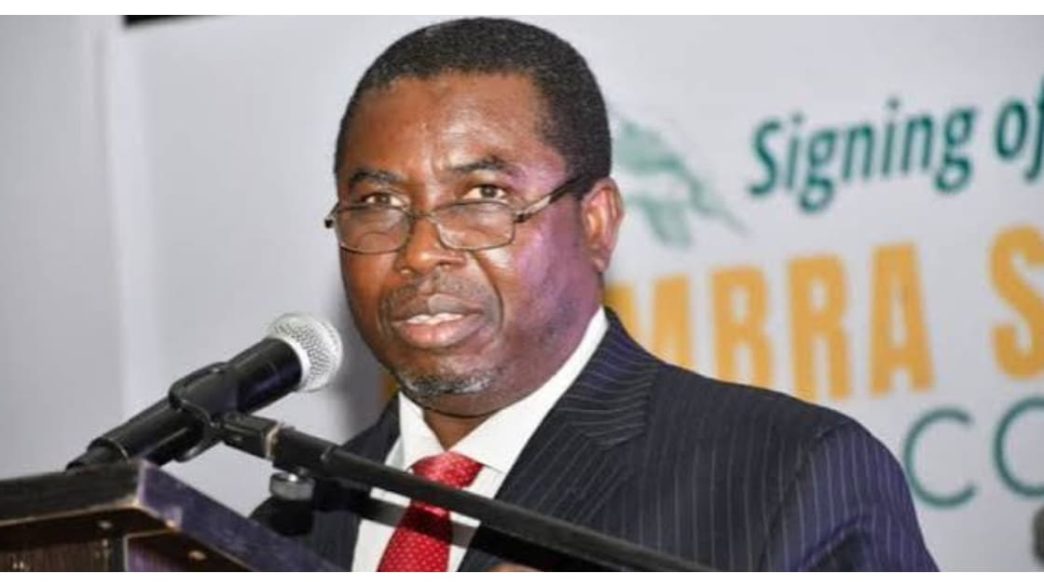
The Independent National Electoral Commission (INEC) had warned about cloned voices, deepfakes, fabricated images and coordinated online campaigns ahead of the 2027 elections. INEC Chairman Professor Joash Amupitan said such content could mislead voters, damage reputations and create confusion around registration, campaigns, voting and the announcement of results. 
DUBAWA has documented manipulated political audio linked to Nigeria’s 2023 election and Ghana’s 2024 election. It also cautions that artificial-intelligence detection tools can produce inconsistent results, meaning a single online detector should not be treated as the final authority.
Before you forward an election-related voice note, check these five things.
1. Who is speaking, and who first shared it?
Start with the source, not the sound of the voice. Does the speaker give a full name, office, location and reason for speaking? Does the person identify the organisation they represent? A message introduced as “a friend at INEC” or “someone close to the government” is not an official communication.
Ask the person who sent it where they got the audio. If they say it came from another group, ask for the original source. A chain of forwards does not make a claim more credible; it only makes the source harder to trace.
If the recording claims to be from INEC, begin with the commission’s official website and verified communication channels. Do not rely on a screenshot, a copied logo or a link supplied inside the voice note. For a major election announcement, look for a matching notice or statement from the institution itself.
YOU MIGHT ALSO LIKE: 2027 Elections: 31 Under 40 Female Candidates Vying for Top Political Offices in Nigeria
2. What exactly is the voice note claiming?
Write down the claim in one sentence. Is it saying that voting has been cancelled in a particular area? That a polling unit has moved? That a candidate has withdrawn? That INEC has released a new instruction? Note the state, local government, date, polling unit or official named in the message.
Then search those details. Old recordings are often given new captions and recirculated as if they were current. A real person’s voice can also be used to make a false claim. Even if the speaker is genuine, the recording may have been taken out of context, edited or attached to an unrelated event.
A missing date or location is another warning sign. Official information about an election should be specific enough for voters to check.
3. Does the recording contain signs of editing or manipulation?
Compare the voice note with an authentic recording of the person, if one is available. Listen for sudden changes in tone, unnatural pauses, unusual pronunciation, repeated background sounds, abrupt cuts or a background that does not fit the claimed location.
A voice that sounds too clean in a noisy setting may deserve extra scrutiny. So should an audio clip in which the speaker’s accent, rhythm or pronunciation changes noticeably between sentences.
But these clues are not proof. Poor network quality, phone microphones, compression and background noise can distort a genuine recording. Likewise, a convincing voice note may still be synthetic or heavily edited.
DUBAWA has warned that available AI-audio detectors can disagree or produce false positives. Do not declare a voice note genuine or fake based on one detector’s score. Treat technical tools as one part of a wider verification process, not as a substitute for checking the source and the claim.
4. Can an independent source confirm it?
Look for confirmation outside the WhatsApp group. For election information, check INEC’s official website and verified social-media accounts. Also check reputable news organisations and fact-checking groups. If the voice note concerns a local polling unit, contact the relevant INEC office or seek confirmation through an official channel—not a number supplied by the anonymous recording.
A major announcement that affects thousands of voters should normally leave a trace: an official notice, a press briefing, a credible news report or a statement from the institution involved. The absence of any independent confirmation does not automatically prove that the audio is false, but it is a reason to pause.
For a voice note making a specific claim, search the exact words or phrases from the recording. If the audio has been circulating for days or months, you may find an earlier fact-check showing where it came from and whether it was manipulated.
5. Is it trying to make you act immediately?
Be especially careful when the recording says:
- “Forward this to every group before it is deleted.”
- “Do not check with the authorities.”
- “Share this before 6pm.”
- “Send your details so we can help you.”
- “Click this link to confirm your polling unit.”
Urgency is a common way to stop people from checking information. Political actors and scammers can also use fear, anger or ethnic and religious language to make a message feel too important to question.
WhatsApp’s own guidance recommends checking the facts before sharing. Its forwarded labels can show when a message has been circulated repeatedly, but the label is a clue about the message’s history—not proof that the content is false. A message without a forwarded label is not automatically true either.
Never send your password, bank details, one-time password or full personal information in response to an unverified election message. Do not download an unfamiliar application or open a suspicious link just because a voice note tells you to.
What should you do if you still cannot verify it?
Do not forward it “just in case”. Keep the original audio and ask the sender for the source. If the message appears to be a scam or deliberately misleading claim, report it through the platform and send it to a reputable fact-checking organisation for review.
If it contains a threat of violence or could cause people to gather, flee or confront another group, do not amplify it. Preserve the original message and alert the appropriate authorities or a trusted newsroom.
If a false message has already spread in your group, share the correction in the same group. A correction that reaches only a different audience may not undo the original claim.
The simplest rule is also the safest: if you cannot verify an election voice note, do not share it.
Ahead of 2027, protecting voters will involve more than protecting ballot boxes. It will also require Nigerians to protect the information they use to decide when, where and how to vote.
ALSO READ: 2027 Elections: Meet 10 Youngest Nigerian Presidential Candidates

About The Author