




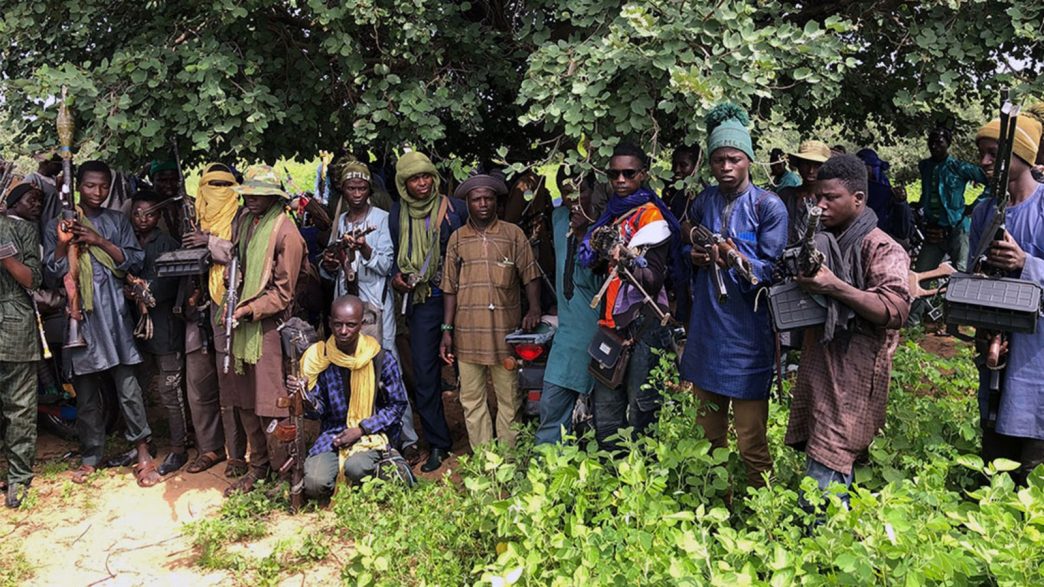
Amnesty International reports that at least 1,100 people have been abducted in three months – from January to April 2026 by bandits. That means there are 275 abductions per month, and by June, it would have reached 1,650.
The truth is, kidnapping by bandits is closer to home than ever. In this article, we’ll narrate what happened to the writer’s relative. While it used to be a distant event happening to some other people, many people’s friends, family, colleagues, and teachers are getting kidnapped.
Recent high-profile abductions, like those of the schoolchildren and teachers from Orire, Oyo State; the sister of the former Minister of Power, Adebayo Adelabu; and a former Army Major General, Rabe Abubakar, prove it’s not just the middle and lower classes—everyone in Nigeria is getting hit with the menace of kidnappers. 
What’s It Like To Be Captured By Bandits?
A family member, alongside his colleagues, was kidnapped on the Benin–Lokoja expressway and held for two weeks; he has since narrated his ordeal to the family. By the time he returned home, he had been wearing the same shirt for two weeks. The stench was almost unbearable, and the shirt had to be thrown away; in my opinion, it should have been burnt. A lady among them was on her period, and she wore one pad until the end of her captivity.
The kidnappers had come with guns, stopping the bus, and by some stroke of luck, the driver and the passenger in front were able to escape, leaving the other passengers at their mercy. Of course, their eyes were tied immediately, and then began the great walk. There was never a moment they weren’t walking; from morning to night, they spent it walking through the thick forest.
The kidnappers didn’t speak a commonly known Nigerian dialect; it wasn’t Hausa, it was something else they couldn’t place. These kidnappers were actually “benevolent”; they had demanded only 10 million naira. Fortunately, all the people in the vehicle worked in an eatery and were travelling from the branch in Benin to the Lokoja branch. So, while the families sourced for funds, the owner of the eatery was being begged to ‘drop something’.
The food rations were ghastly: it was old, stale bread and corn once a day, just enough to keep them going. Complaining about the labourious trek was met with lashing, as the kidnappers felt that to wait was to be caught. There was also an exchange of information between them; more bandits met with them and interacted, and often, there would be female voices heard. Once a day, they would call the families of those kidnapped to remind them of the ransom.
This case is one of the good ones. In some cases, the kidnapped victims will never make it out alive even when the ransom has been paid, leaving a gaping financial and emotional hole in the heart of their family and friends
Nigeria is battling serious insecurity, and many people have experienced pain and loss. Right now, all eyes are on the government to do something about it.
ALSO READ: ‘If Anybody Kidnaps You, Give Them My Number’ — David Oyedepo

About The Author