



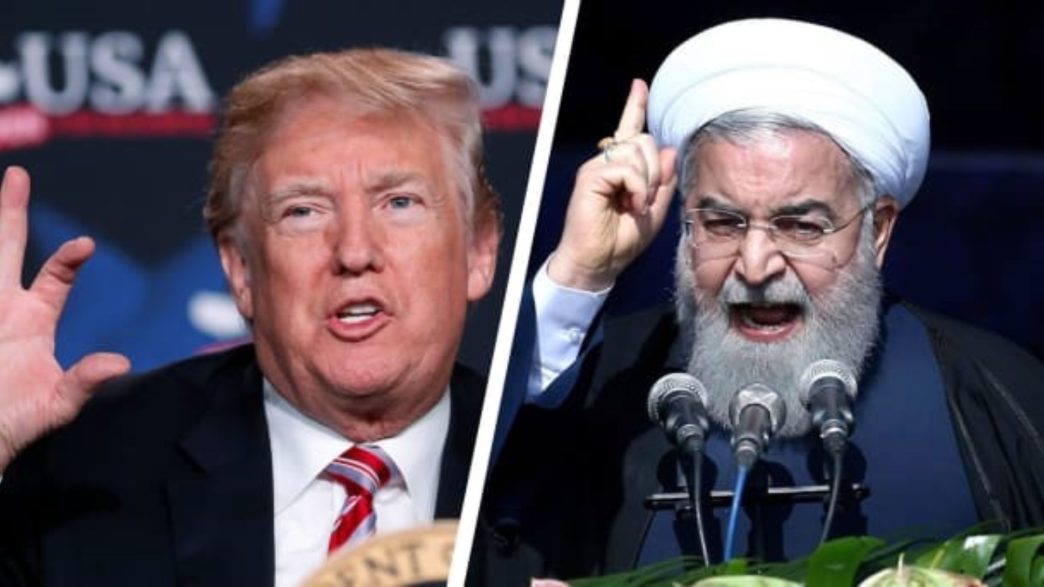
The US launched a massive and ongoing attack on Iran on February 28, 2026, targeted against its leadership and military. The strikes have since led to many being killed, including the country’s supreme leader, Ayatollah Ali Khamenei. Iran is fighting back, seriously.
Although Iran is located thousands of miles away in Southwest Asia, the economic consequences of this conflict could significantly affect African economies, particularly a major oil producer like Nigeria. 
ALSO READ: Why Zimbabwe Walked Away From a $367 Million US Health Deal — Hint: It’s Not About the Money
Why US-Iran Conflict May Negatively Affect Nigeria
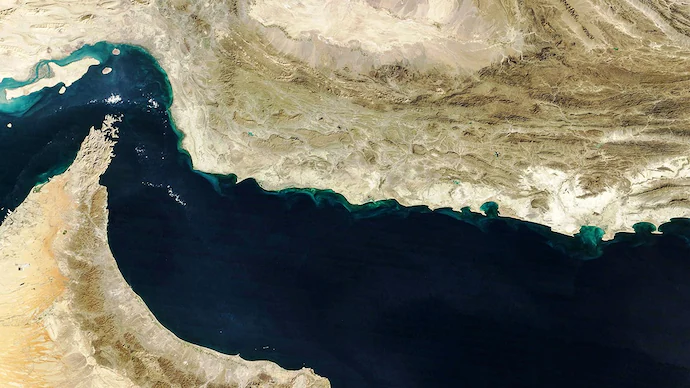
How? Aljazeera reports that the Strait of Hormuz has been closed. This is a big deal since according to the Independent UK, 20 million barrels of oil, which is roughly one-fifth of the world’s seaborne oil trade, move through the Strait of Hormuz daily.
This narrow waterway is a vital shipping route for crude oil and petroleum products from Iran and other Gulf producers to markets in Asia and beyond. The closure of the Strait means countries like China, India, Japan, and South Korea, which rely on the Strait of Hormuz for oil, will need to find an alternative source.
Nigeria is Africa’s largest oil producers producing over 1.4 million respectively. These are possible alternatives for countries that are seeking one.
A rise in oil prices
According to IDN Financials, Brent oil prices rose as much as 13 percent to $82.37 per barrel, the highest level since January 202. Such an increase means more money for Nigeria and Angola. More production means better revenue for the government. Increase in the strength of the currency against the dollar. Sounds like good news, yes? Yes, but it comes with a twist.
An increase in the price of oil per barrel gives a high chance of an increase in the price of fuel in both countries.
Energy experts warn that an increase in the price of fuel affects everything. The inflation rate increases, creating severe economic pressure on households. Transportation rates increase, food prices increase, and production costs increase. It does not stop there. These changes can also lead to violent protests across both countries.
Disrupted global trade routes
Additionally, the US-Iran conflict threatens global trade routes, impacting food security and inflation in Nigeria and Angola. Increased maritime shipping costs, due to higher insurance premiums, lead to rising prices for essential goods in these country, who are already in the trenches with currency devaluation.
In a short while, if this US-Iran conflict persists, government revenue will increase, but that could simultaneously lead to increased hardship for Nigerians and Angolans.

About The Author