

Zimbabwe has rejected a $367 million health funding deal from the United States, and the reason might surprise you.
It wasn’t about the amount being too small, nor about politics. The Zimbabwean government says it was because of a data leak. 
The United States offered Zimbabwe a five-year health support plan—a plan that would help the country treat people with HIV/AIDS, tuberculosis, and malaria, and also take care of pregnant women, mothers, and children. According to the US embassy, more than 1.2 million Zimbabweans currently receive HIV treatment through US-supported initiatives.
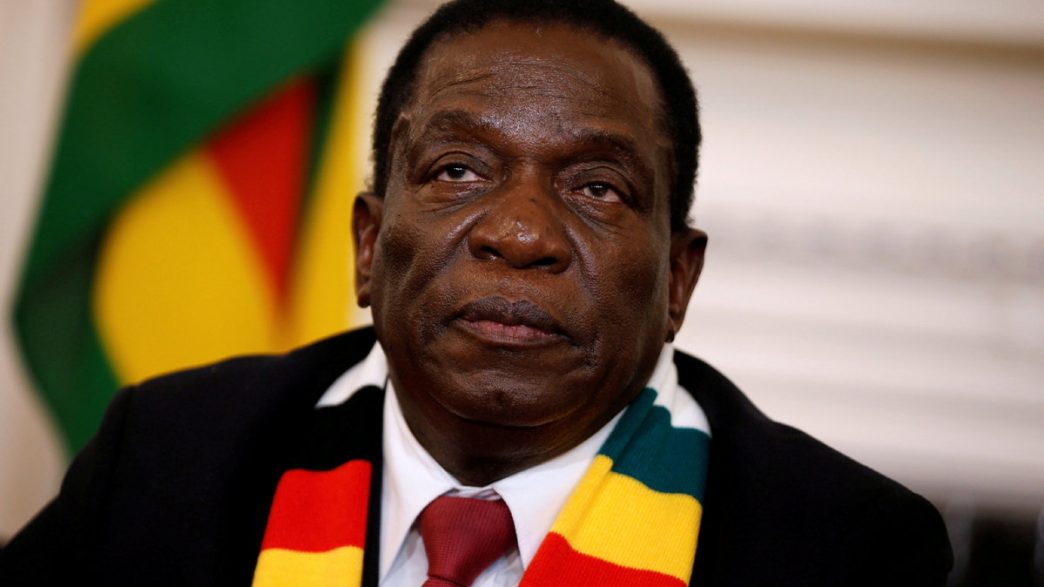
On paper, this proposal looks like a lifeline; however, President Emmerson Mnangagwa reportedly saw something else. A leaked government memo circulating from December revealed he believes the agreement is ‘lopsided’.
Why Was The Deal Rejected?
According to Zimbabwe’s government, the US wanted long-term access to the country’s biological samples and health data—material that could potentially be used for research and even commercial development of vaccines or treatments.
Government spokesperson Nick Mangwana didn’t mince words. He described the arrangement as ‘asymmetrical’.
“Zimbabwe was being asked to share its biological resources and data over an extended period, with no corresponding guarantee of access to any medical innovations such as vaccines, diagnostics, or treatments that might result from that shared data”, he said.
He also added: “In essence, our nation would provide the raw materials for scientific discovery without any assurance that the end products would be accessible to our people should a future health crisis emerge.”
The proposal was one they couldn’t move on with, as the Zimbabwean president drew a line on the US demands.
The United States, on its part, expressed disappointment. US Ambassador to Zimbabwe, Pamela Tremont, said: “We will now turn to the difficult and regrettable task of winding down our health assistance in Zimbabwe.”
The ambassador also noted that the US has provided over $1.9 billion in health funding to Zimbabwe in the last two decades.
ALSO READ: Kenya Launches Breakthrough HIV Prevention Shot — See African Countries with Highest HIV Rates
Zimbabwe’s Urgent Need for Health Aid

According to UNAids over 1.3 million people in Zimbabwe live with HIV/AIDS.
This recent development comes at a time when US foreign aid is undergoing major changes under President Donald Trump.
The closure of the United States Agency for International Development (USAID) marked a significant shift in how American assistance is distributed globally.
Zimbabwe also raised concerns about the US stepping away from multilateral systems like the World Health Organization and instead pushing bilateral agreements. Officials pointed to global frameworks designed to ensure countries that share pathogen data also share in the benefits, including vaccines and treatments, rather than leaving them commercially outpriced.
Mnangagwa made it clear that Zimbabwe’s withdrawal does not stem from an anti-American sentiment. “Zimbabwe’s reservations over the US deal should not be misconstrued as anti-American sentiment”, he said, adding that the country remains open to dialogue “in a manner that respects the sovereignty and dignity of both nations”.
Still, not everyone is celebrating the rejection.
The Zimbabwe College of Public Health Physicians acknowledged the government’s concerns but warned that much of the country’s HIV programme depends heavily on external financing. They called for continued negotiations, arguing that technical safeguards around data governance could be worked out.
With everything playing out, will both sides return to the table, or will Zimbabwe’s health sector feel the impact first?

About The Author